A Cultural Imprint Worthy of Studying: K Paparazzi

The act of capturing people in moments that feel closest to who they truly are is a meticulous pursuit. It requires a careful balance, thoughtfully composed, and intentionally executed.
The way these moments are translated into images that ultimately shape not only what we see, but how we see it, is nothing short of remarkable. If you’ve spent enough time on the internet, you’ll recognise that many of the most striking, well-composed images of your favourite influencers and events have been captured by the man behind the lens. Known to many as K-Paparazzi, and formally as Kagiso Phaswana, who has played a very significant role in shaping contemporary visual culture.
His images have influenced how moments are documented, how personalities are perceived, and even how brands construct and communicate their campaigns. His imprint on culture is undeniable, one that continues to evolve and resonate across industries.
It is a legacy that aligns seamlessly with the ethos of ASICS: a commitment to cultivating a sound mind within a sound body, where balance becomes the foundation for creative expression that extends far beyond the immediate frame.
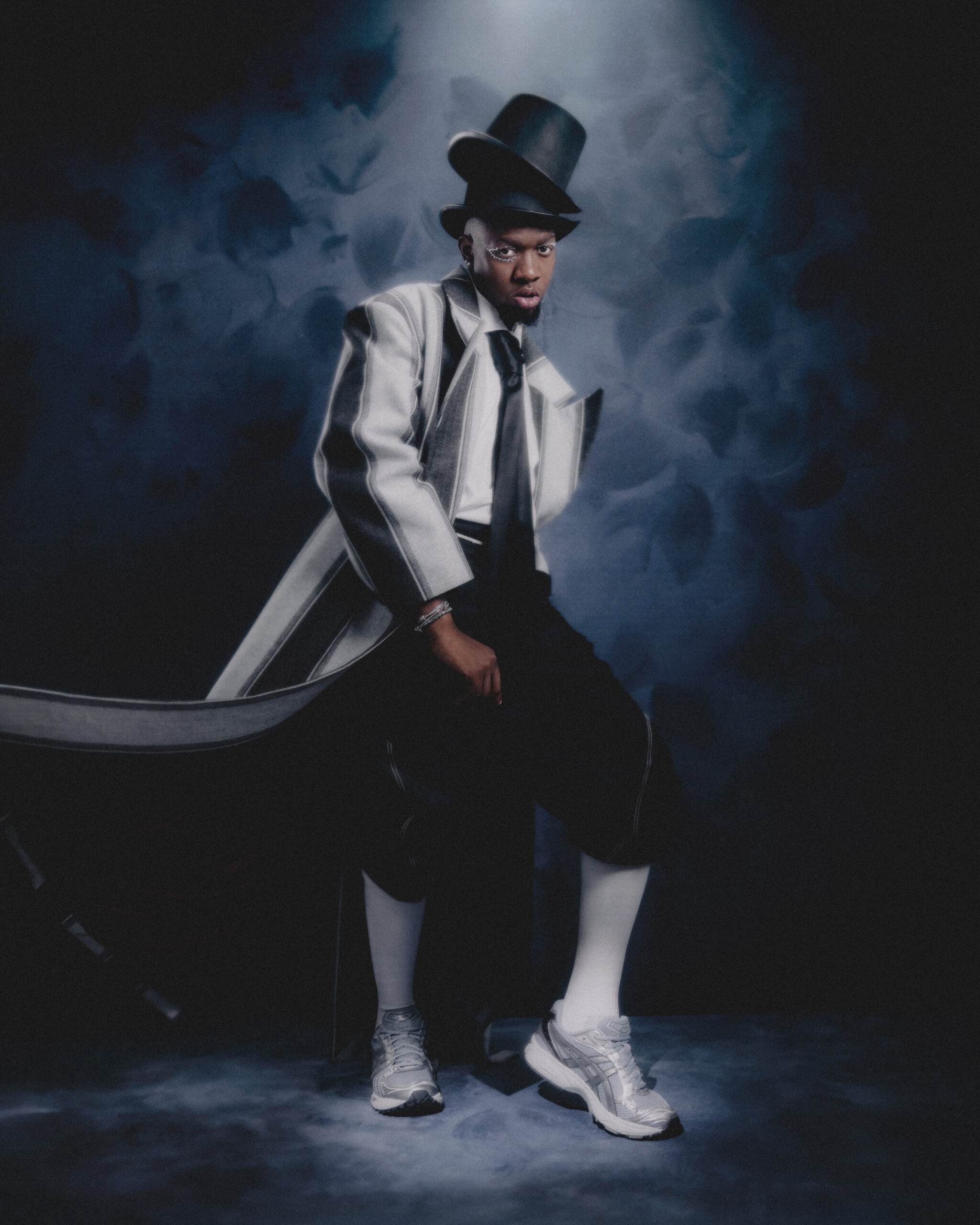
Let’s start at the beginning, what’s your origin story? How did it all start, and when did you realise this was something you wanted to pursue?
I’ve always loved capturing moments, taking photos of friends and family while I was still in varsity. At the time, I actually thought I’d end up in a corporate environment, not a creative one.Things shifted when my grandfather gifted me my first entry-level camera. That’s when it started to feel real. It wasn’t about money or a career then, it was just curiosity and enjoyment. But over time, that passion grew into something more, especially when I realised the power of storytelling through images.
Growing up, who were the people that shaped how you see the world, and in what ways did they influence you?
My friends and family, without a doubt. I grew up observing everyday life, emotions, struggles, celebrations and that grounded my perspective. It taught me the importance of authenticity and made me more intentional. I’ve come to see that everyone has a story worth capturing.
Are there any photographers who’ve influenced your visual style?
Yes, definitely. Someone like Jacob Webster has influenced my style, among others. There are many creatives I’ve drawn inspiration from, but over time it’s been about taking those influences and shaping something that feels true to me.
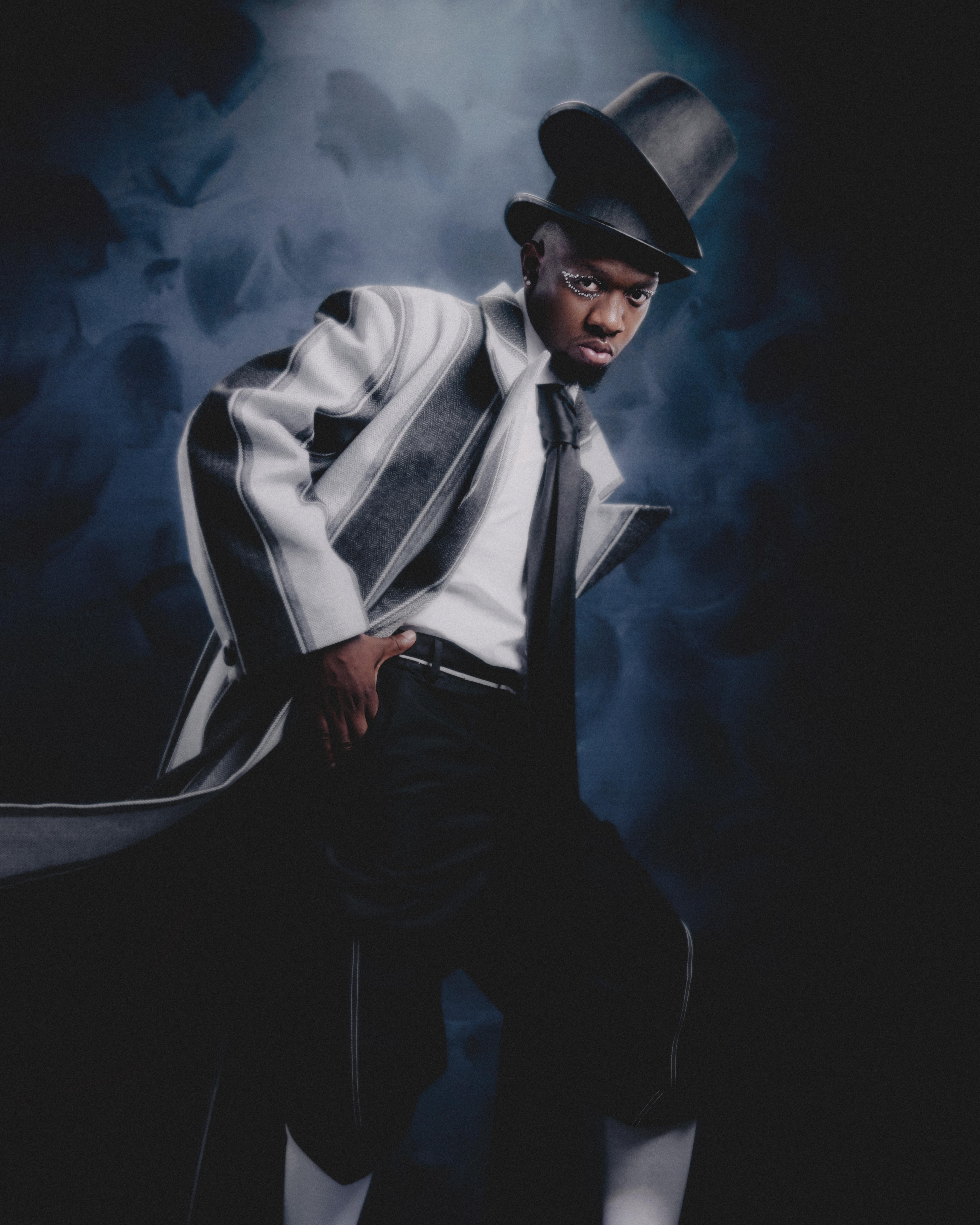
Let’s talk about the business side, how have you formalised your practice, and what did that process look like for you?
The turning point was deciding to take it seriously, even before it made financial sense. I invested in my craft, whether that was gear or learning, and stayed consistent through uncertainty. That commitment is what ultimately shaped my career.
What are some of the milestones you’ve achieved that you think your 10-year-old self would be proud of?
Honestly, not giving up. That’s the biggest one. Beyond that, moving from shooting for fun to working with real clients and brands, and building a name for myself, those moments matter. Growth, both creatively and mentally, has been just as important.
There’s a quiet power in deciding what gets seen and what doesn’t. How do you approach authorship, knowing your work has the ability to shape how a generation remembers culture?
I approach it with responsibility. What we choose to show shapes perception and culture.I try to be intentional and focus on telling honest stories, not just visually appealing ones. For me, it’s always about impact over aesthetics alone.
How has your experience of the world shaped your creative approach?
I believe it was through experience and self-reflection, my style developed naturally. It comes down to how I see light, emotion, and moments. I didn’t force it, I allowed it to evolve over time.

How do you approach structuring your pricing and overall business model to ensure long-term sustainability?
The industry can be unpredictable, so I’m building systems beyond just photography. I’m currently working on a production studio and developing a guesthouse, ways to create stability and long-term growth. I’m also focused on building a team, because sustainability isn’t about one person it’s about creating something bigger.
What does building a sustainable photography business look like for you?
I’ve learned that structure is just as important as creativity. That means putting systems in place, understanding client relationships, and properly valuing my work. Photography is expensive, and people don’t always realise that. So for me, it’s about focusing on value and building something sustainable long-term, not just chasing quick wins.
ASICS is rooted in the philosophy of “a sound mind in a sound body.” How does that idea resonate with your creative process? What practices help you stay mentally and physically aligned to produce work that moves culture?
I’ve realised that my mental and physical state directly affects my work. When I’m grounded and present, I create with more intention and honesty. So I’m intentional about protecting my energy, whether that’s staying active, taking time to reset, or creating space to reflect. That balance is key to doing meaningful work.
How would you like to be remembered and why is that imprint important to you?
As someone who told real stories, honestly and intentionally. Someone who used their gift to capture moments that mattered, and who grew not just as a creative, but as a person.
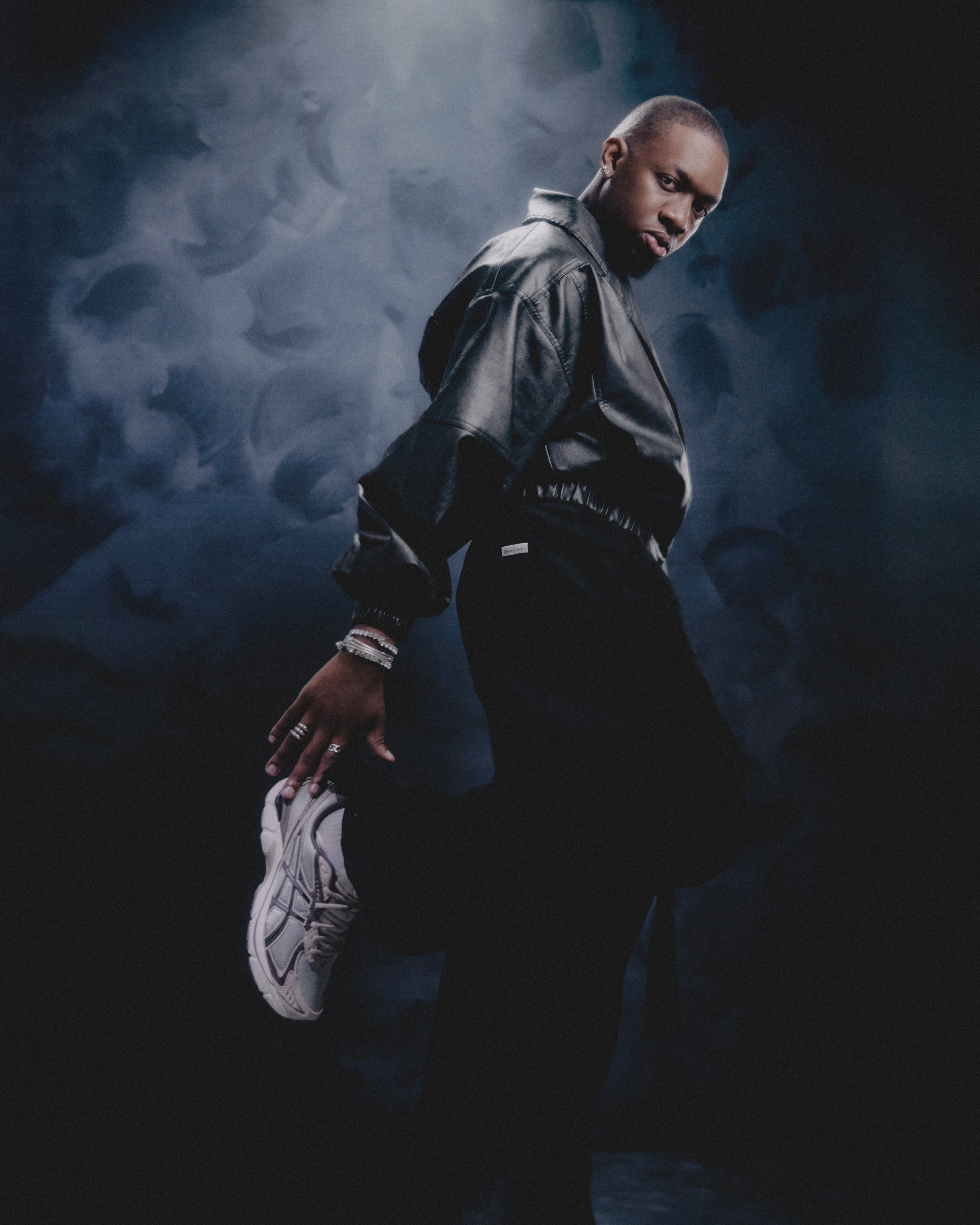
“I try to be intentional and focus on telling honest stories, not just visually appealing ones. For me, it’s always about impact over aesthetics alone.“
