Written by Renaé Mangena
I want it on record how much pressure I feel typing this, because Bangy made it clear during our interview that he doesn’t want to read it beforehand. [Laughs]
He wants to discover what I’ve said about him at the same time as the rest of the world, which could lead to him either hating it or being happy with the words I’ve chosen for this piece. That means I have to be as honest as possible, so here goes.
My first interaction with DEAD. started online and eventually led to a shoot where one of the talents was wearing a DEAD. item. I remember thinking, “Why would anyone name their brand “Dead”? I wondered if it was a political statement or maybe just sounded cool. Later, during our conversation, I learned the true meaning behind the brand. Hearing him talk about its origins and the immense work that went into building it gave me a new perspective on the idea of death not as an end, but as rebirth, even through declaring something as an ending.
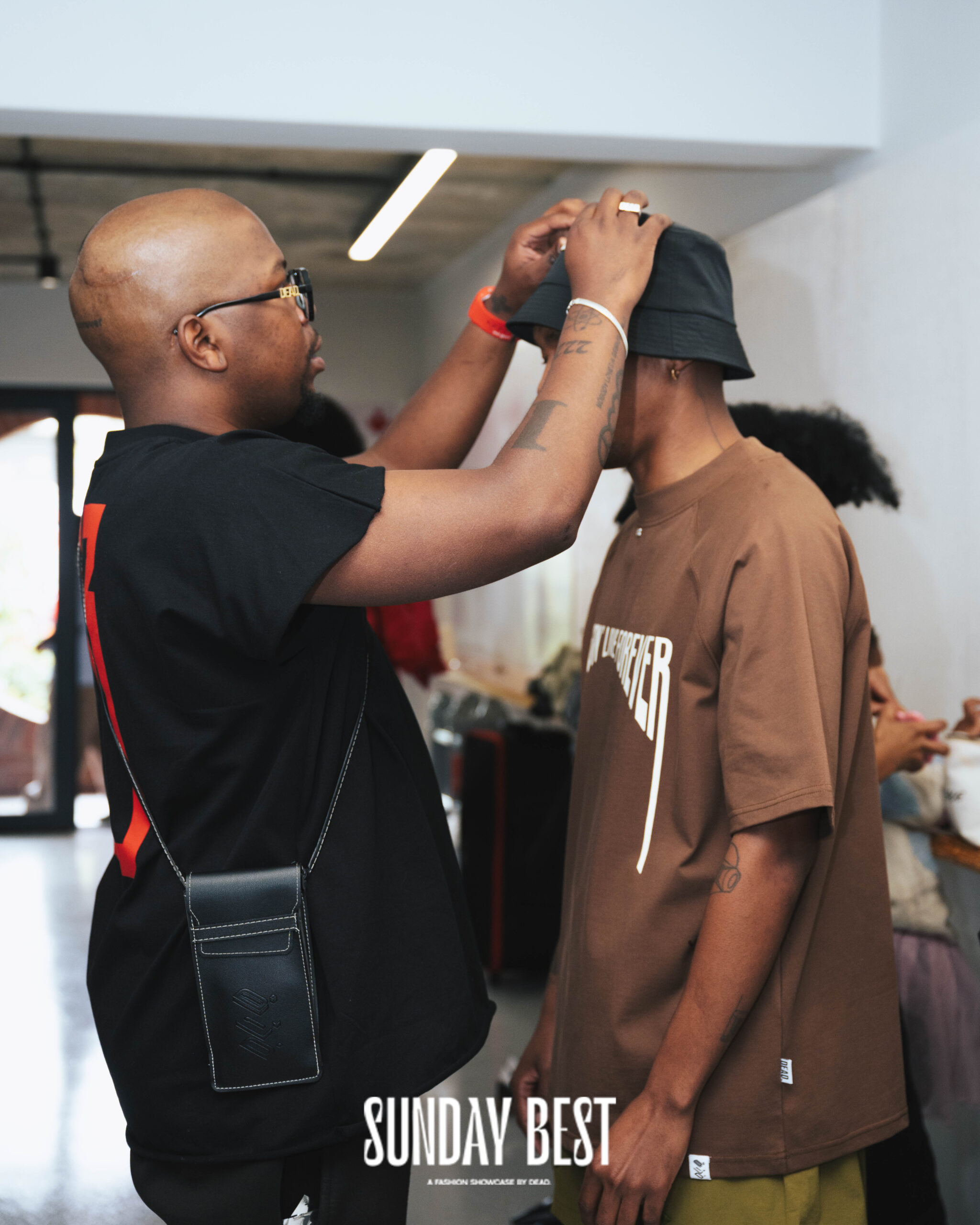
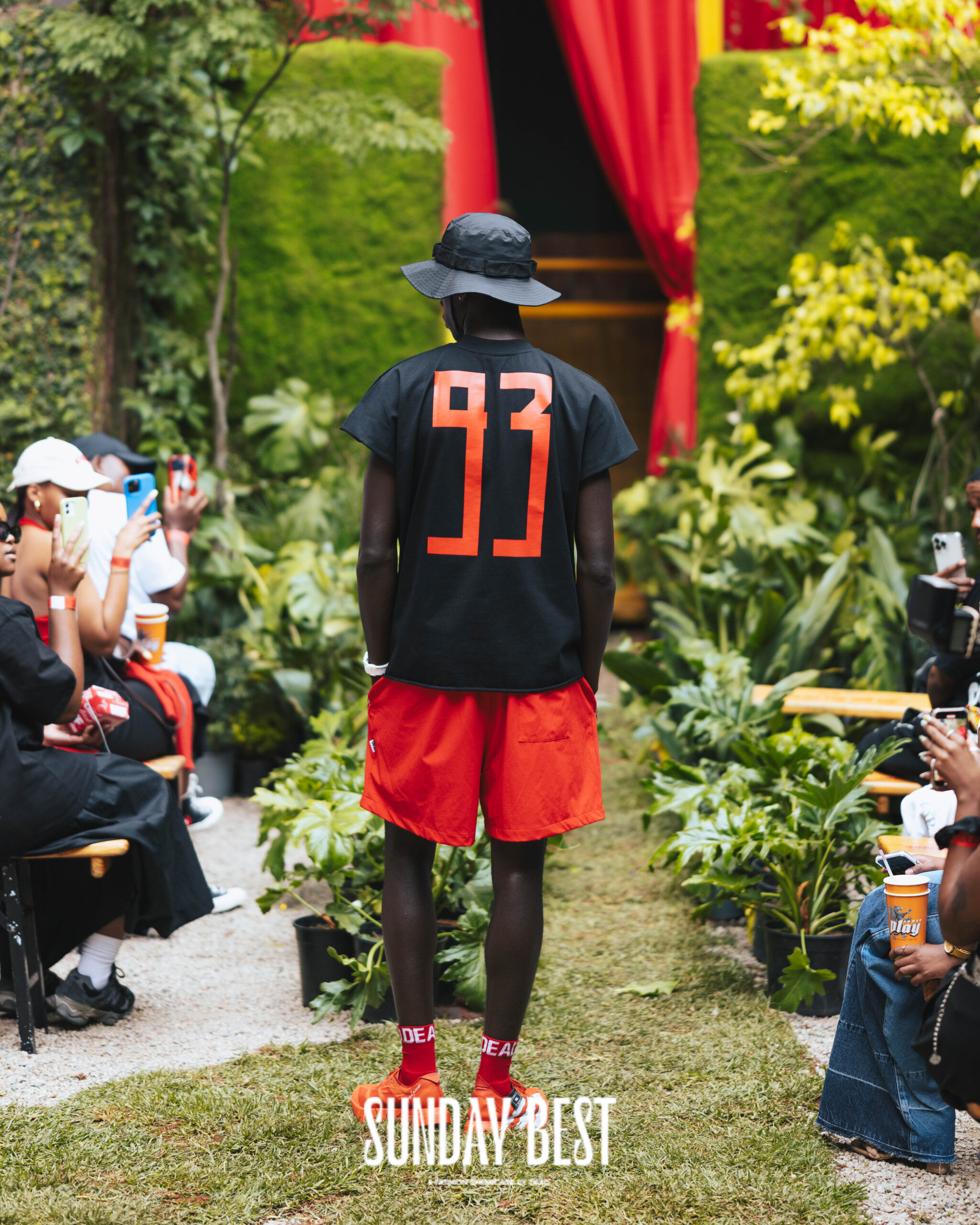
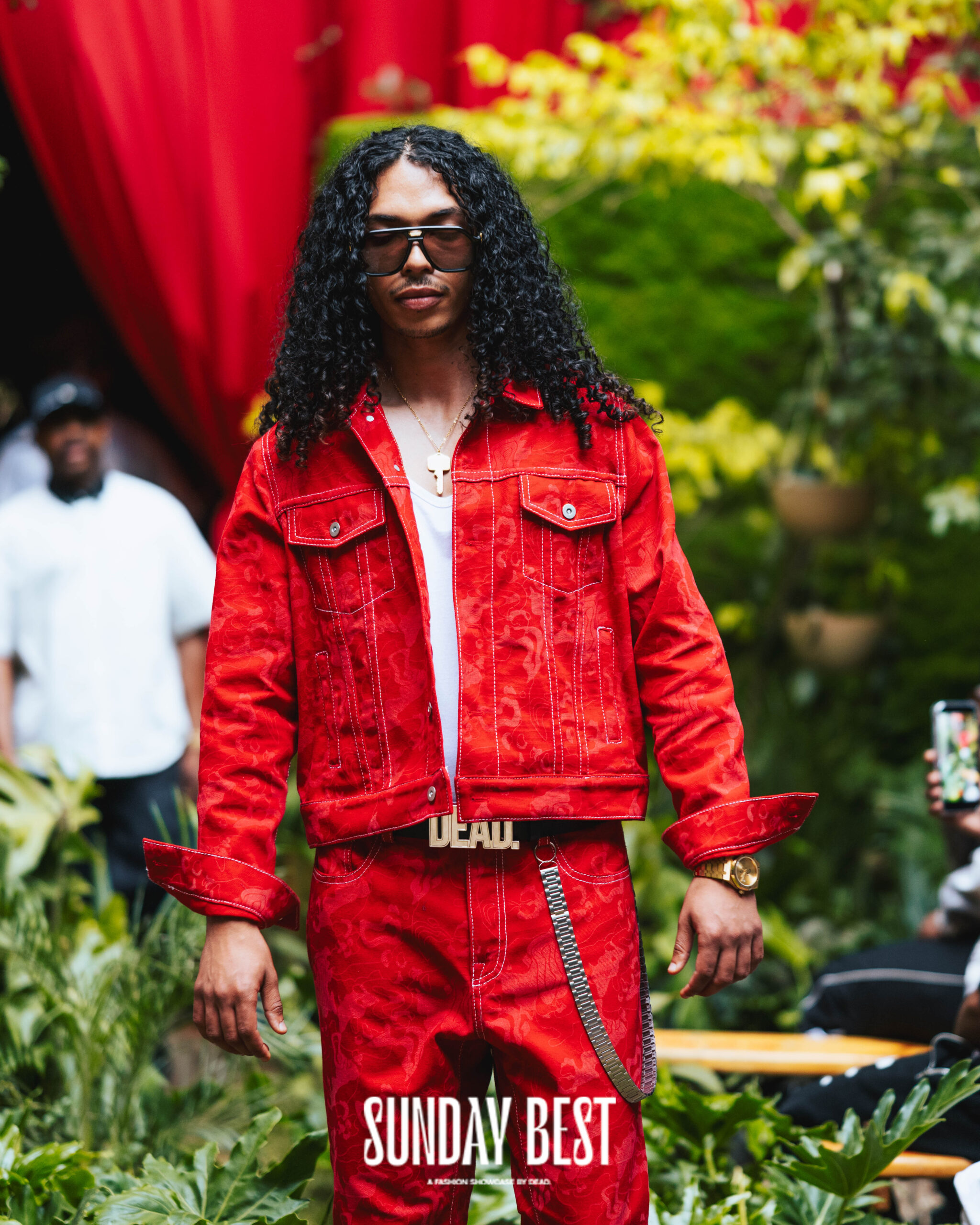
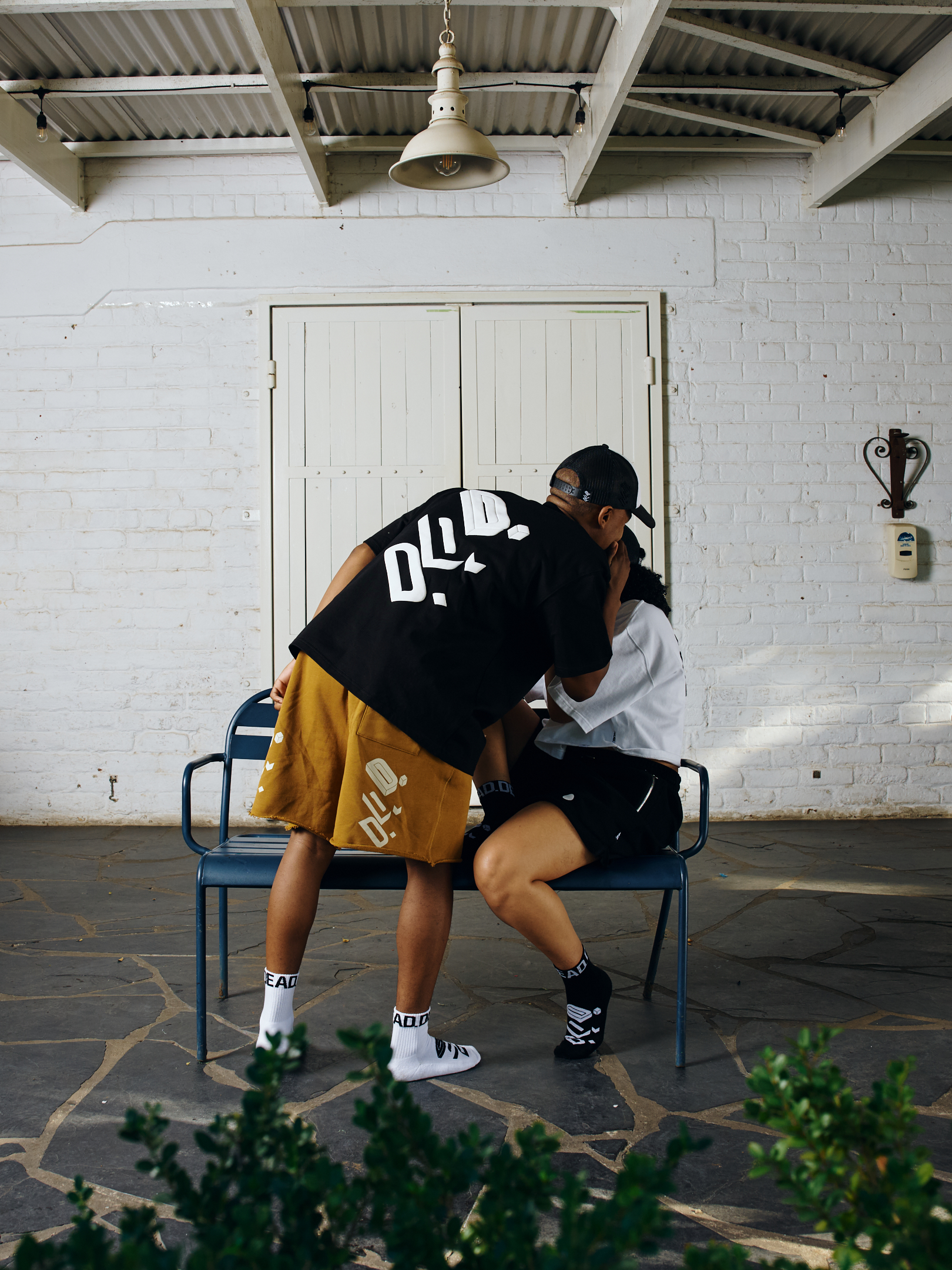
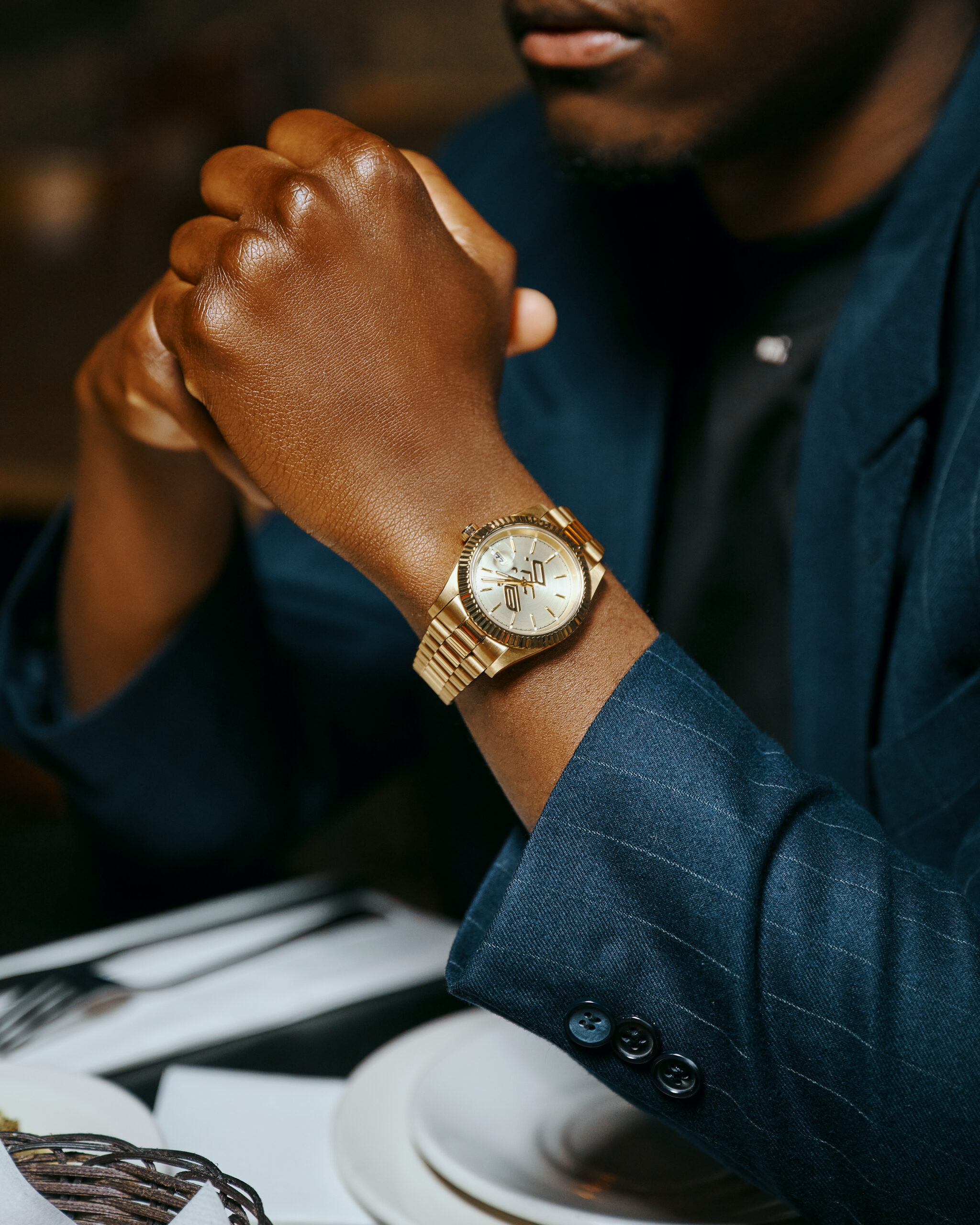
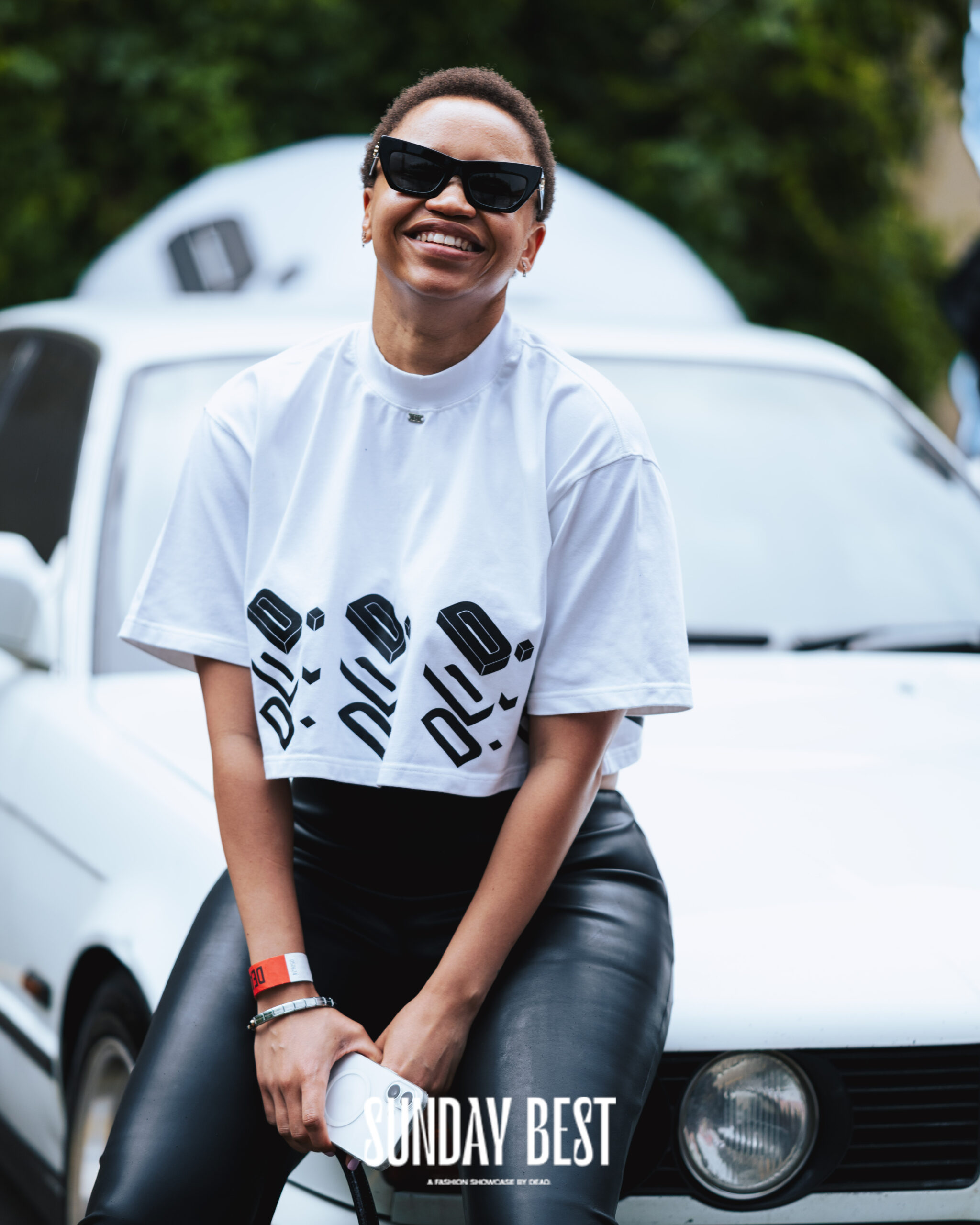
Through Bangy’s creative vision DEAD. continues to reimagine South African streetwear, and the latest collection, showcased through their Sunday Best event, is no exception. They offered us experimental fabric blending and versatile, unisex designs, the collection is made for literally anything your day requires while still looking effortlessly fly.
What Bangy is doing with DEAD. is truly worth studying. It’s not only a lesson in trusting your own taste but also in immersing yourself in the process of self-discovery and never settling. He reflected on his formative years, the roots of his aesthetic, the birth of DEAD., and the lessons learned along the way about passion, discipline, and building something that truly represents who you are.

"DEAD. is about taste. It’s about refining the eye, introducing a specific level of taste that may or may not exist in South Africa yet, but expressing it in a way that’s authentic to us. That’s what we call taste curation."
Let’s start from the beginning. You’ve mentioned before that childhood shapes who we become. When you think back, what moments or experiences stand out as having influenced what you do today?
I was born and raised in Pretoria until I was about four, then moved with my parents to Mafikeng for a few years. But most of my memories are tied to Pretoria, especially Mamelodi. That’s where both my parents are from, and that’s really where I’m from. Culturally, my family traces back to Limpopo, but everything, my sense of taste, my aesthetic, even my understanding of music, was formed in Mamelodi. That’s where everything started.
Growing up in Mamelodi, what were you seeing or experiencing that shaped your perspective and taste? Were there early influences that pointed you toward fashion?
Not in a direct way. I think Mamelodi shaped my sense of taste more than anything. People there are very intentional in how they look, how they move. That rubbed off on me. My cousins influenced me a lot too. As a kid, my mom dressed me, but that’s where I learned what it means to dress up, dress down, or have “stay-at-home clothes.”
When I spent time with my cousins in the hood, I started noticing Carvelas, Nike Cortez, and tracksuits. That’s when I first saw style expressed as identity. I was an observer by nature, the middle child so I just took it all in. I didn’t know I’d end up working in fashion; I think fashion found me along the way.
Let’s move into your teenage years. What did you imagine your career would be? Was entrepreneurship something that came naturally, or did it find you?
It found me. But to give context my dad loved clothes, and that rubbed off on my mom. Growing up, he’d take me shopping a few times a year and give me a budget. I learned to feel fabrics, to compare quality. I was introduced early to brands like Tommy Hilfiger, Polo, Banana Republic, Ben Sherman. Later, when my mom took over buying my clothes, it was from places like Edgars and I started seeing the difference between intentional design and mass production.
That awareness made me less excited about clothes for a while until I realised I could find or even create things that fit my own taste. In high school, I started buying and reselling sneakers. I’d save most of my pocket money and use it to buy a pair of shoes then sell them to my classmates at a markup so I could afford one for myself. It wasn’t about business yet; it was about wanting to look fresh. But that’s where I learned how money moves.
By matric, I had no idea what I wanted to do but I knew I couldn’t just sit at home. Back then, taking a gap year wasn’t cool. So, I went to study Civil Engineering at Tuks. That’s when I realised what passion really means because I had none for it. I’d skip classes, miss assignments. My brain just couldn’t stay engaged with something I didn’t love.


When did fashion start becoming something serious for you?
During that period at university, I met people who were like-minded, creative, curious, figuring things out. We started hanging out and one day decided to do a shoot. It was vintage-inspired, very raw. We posted the pictures on Tumblr, and they went viral. We called ourselves Vinnie Boys, a small group of friends, most of whom still work in fashion today.
I naturally took the lead on logistics booking studios, finding locations, coordinating with brands. Without realizing it, I was learning about creative production, visual storytelling, and how to manage ideas.
At what point did that evolve into the creation of your own brand, DEAD.?
Around that time, I wasn’t doing well at university, and I eventually had to leave. My dad insisted I keep studying, so I switched to architecture. I’ve always been drawn to design growing up, I wanted to be a car designer, so it felt closer to what I loved.
While studying, I met someone whose cousin could sew. We started experimenting, altering sweatpants, and editing jerseys. Eventually, I met a more experienced tailor in Gauteng, and that’s when I learned about quality and structure.
Later, when I transferred to UJ, I was known on campus as the guy who dressed differently. People would always ask where I got my clothes, and I’d just smile, I liked being one-of-one.
Then one day, while visiting Pretoria, I met Tots from Galaxy Boy. He saw what I was doing and said, “You should start a brand.” He offered to manufacture for me under his umbrella brand. When he asked what I’d call it, the word that came out was DEAD.
At that time, I’d just gone through a breakup. I told myself I was “dead” until my relevance to the world proved otherwise until I had changed something enough to say I was “living.” I used to write “dead” everywhere, even in my WhatsApp status. So, when he asked the name, it just came out naturally.
Eventually, I realised I needed to take ownership of the idea myself. The first product I made with the name was a simple black cap embroidered with “DEAD.” People immediately wanted it.
Then I designed a long grey kimono, made from a fabric similar to school pants, just heavier. One day, I wore it to Braamfontein and bumped into Malumkoolkat and Tiisetso Molobi of Urban Mosadi. Both wanted one immediately. I made two, they wore them, and suddenly everyone wanted that kimono. Around that time, I had to decide between attending a critical class or going to town to produce more. I chose the kimono, and never went back to class again.

That’s a defining moment. Once the brand started gaining traction, how did you begin to think about money and sustainability?
In the beginning, it wasn’t about money at all. I just wanted people to have the product. I priced pieces high because of the market at the time, people were willing to pay for exclusivity, influenced by what was happening globally.
But I wasn’t doing it for profit. My dad was still covering rent and groceries, so I reinvested everything I made back into the brand. I bought fabric every day. It wasn’t until a year or two later, when I moved out and decided to do this full-time, that I really started to think of it as a business.
DEAD. has been around for years now. How would you describe the essence of the brand today? Who do you design for, and what do you want to say through the clothes?
Brands evolve, and so do their core values. In the beginning, DEAD. spoke to people who loved fashion but couldn’t find garments that represented them. I designed from that frustration, creating pieces I couldn’t find anywhere else.
Over time, the focus shifted toward individuality. We wanted to represent the person who chooses to be different. Now, DEAD. is about taste. It’s about refining the eye, introducing a specific level of taste that may or may not exist in South Africa yet, but expressing it in a way that’s authentic to us. That’s what we call taste curation.
Finally, after everything you’ve experienced, what are some of the key takeaways you’ve learnt?
First, don’t give away free products. It doesn’t work here. South African consumers are aspirational, they want to own something because they value it. When something is given for free, it’s worn differently, treated differently. It loses meaning.
Secondly, don’t run faster than the car. Build slowly, with intention. Understand your pace, your audience, and your purpose.
You heard the man don’t give away free products! And while I still have your attention, please check out DEAD.’s latest collection on their website. And in store, which is located at 138 Jan Smuts Ave, Rosebank.
“First, don’t give away free products. It doesn’t work here. South African consumers are aspirational, they want to own something because they value it.”