Four Artists Rooted in Realness

“The day I started writing, I found my life-hack” – K.Keed on Healed?

Written by Hlengiwe Mkwayi

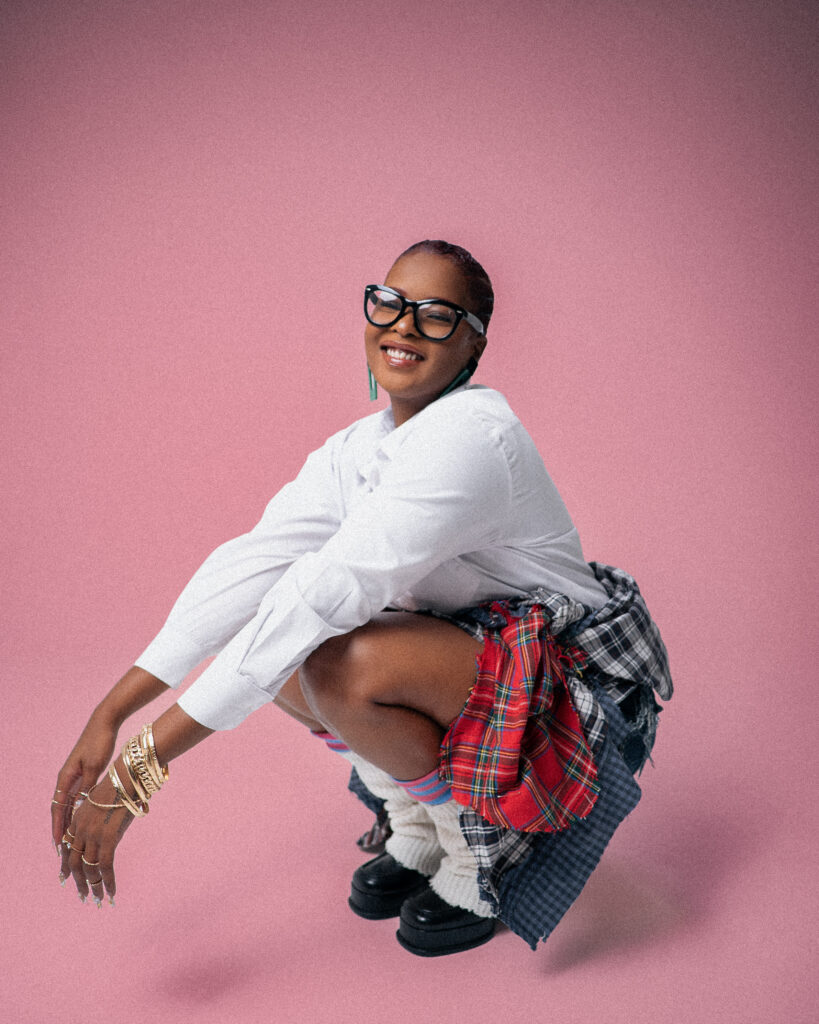
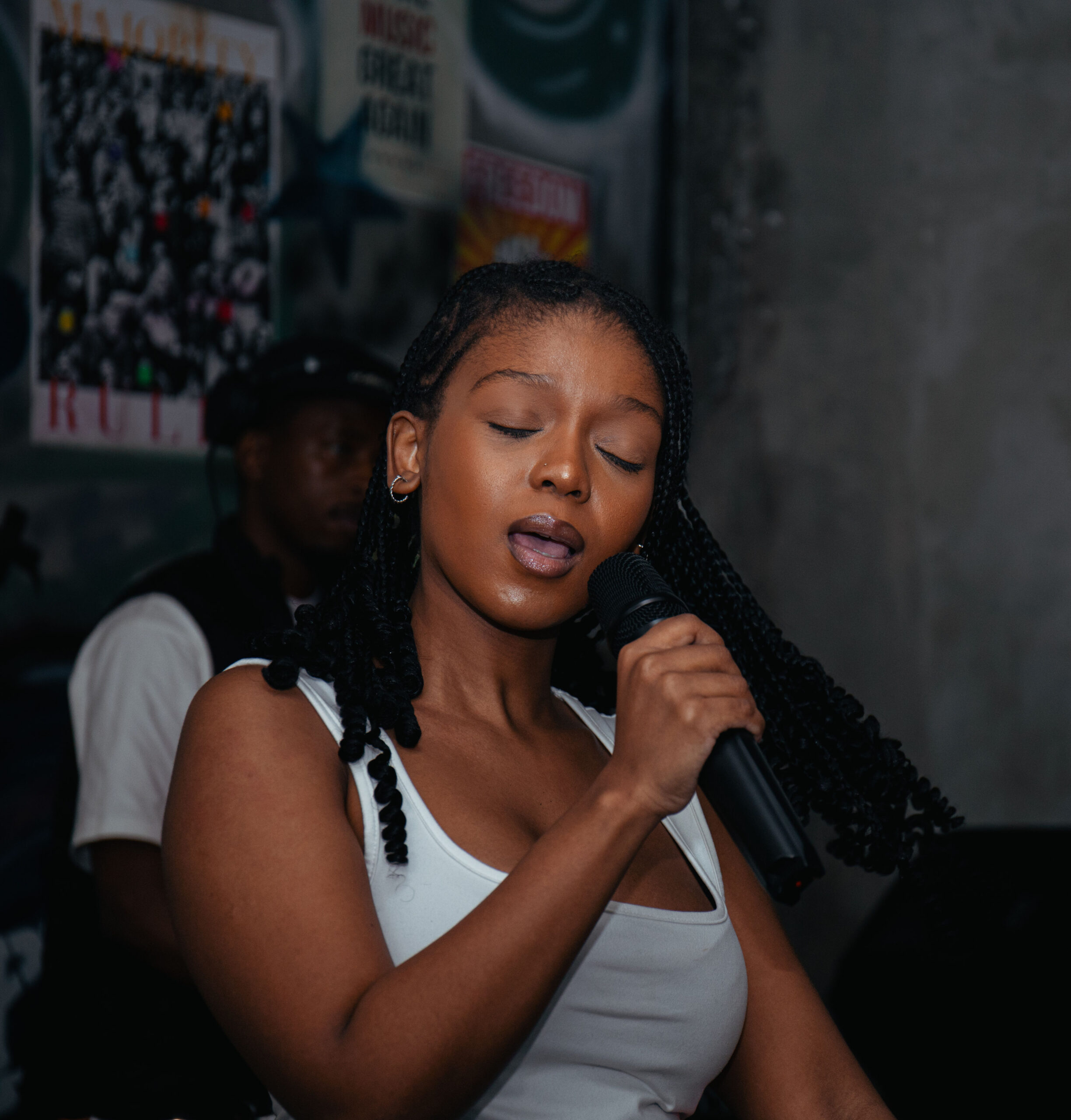
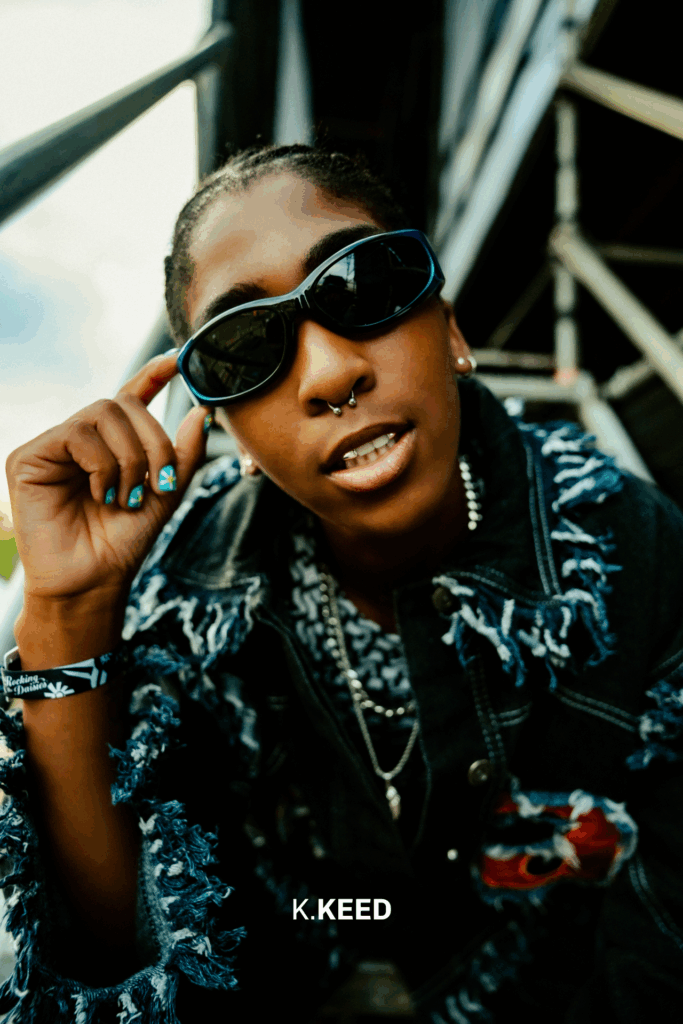
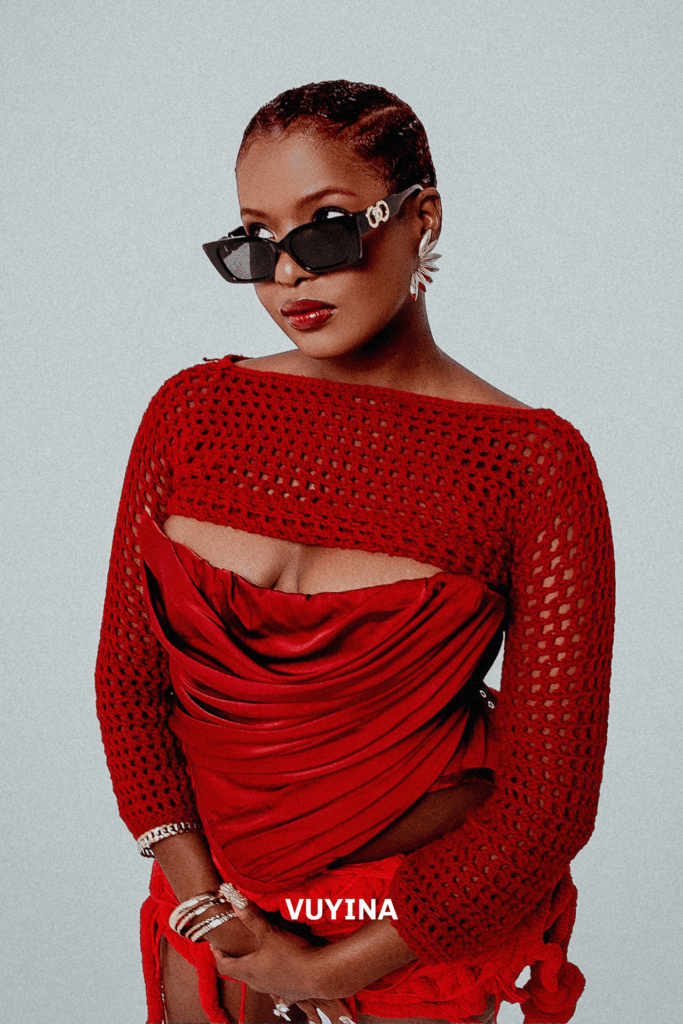
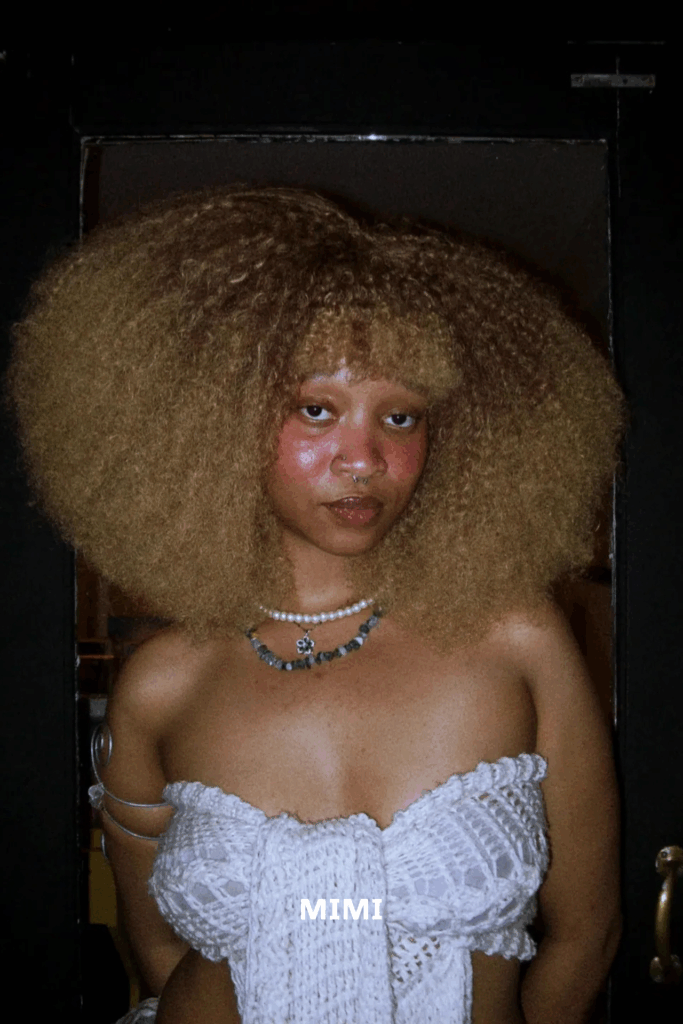
When Your Weekly Touch Up gave us a ring for a co-curated event, we knew the task at hand was not only an exciting one but also quite important. With the music scene constantly evolving, storytelling and authenticity remain at the heart of South African R&B, soul, and hip-hop, and these four artists are great markers of such a time. I had the privilege of speaking with Vuyina, MIMI, Lola Soul, and K.keed, with whom each brings a unique voice, perspective, and energy to the table. 

Through our conversation, they shared the memories, emotions, and experiences that shape their music perspectives, offering insight into how they each navigate creativity, language, and collaboration. From the power of singing in their mother tongue to exploring vulnerability and self-discovery in their lyrics, these have us excited to see their live performance offering.

What is one memory from your upbringing that you feel still lives in your music today, even if it’s indirect? How does that memory shape who you are as an artist now?

Vuyina: My favourite memories from my youth would probably be two. The first is with my mom. She loved listening to all kinds of music, especially Dolly Parton. She had a little purple cassette that we’d play while hanging out at home, cleaning, or cooking. I’m convinced that’s when I fell in love with music. I would sit and listen over and over, flipping the cassette and almost memorising all the lyrics.

The second memory is with my sisters. They’re much older than me and exposed me to old-school R&B, which became my favourite genre and one I still dabble in today.


Lola Soul: It has to be those weekends when my mom would wake me up for spring cleaning, and you’d hear old-school R&B playing in the background from Jill Scott, Janet Jackson to Anthony Hamilton. That’s the core memory that still fuels my music today: those Sunday evenings, those Saturdays, those Fridays when my mom said, “We’re cleaning now,” and the whole house felt alive with music.


K.Keed: I grew up in Gugulethu in Cape Town, and I was always an active, outdoors kid. My family is mostly women, so home was a safe space where I was free to be myself. I moved schools a lot, from Gugs to town to Nyanga, so I was constantly adapting and meeting new people. Those different environments shaped me more than anything.

That activeness shows up in my music. My sound has this hyper energy that makes you want to hustle and feel good about yourself. I think that comes from how I grew up; always outside, always around people, and listening to my uncle play house music in the background. My family wasn’t really musical, so most of my influence came from my surroundings and my friends. If there’s one core memory that still lives in my music, it’s being outside and feeling that sense of community. That energy is still what I try to give people today.


MIMI: A core memory from my childhood is when my parents were still together and would always play Zonke’s album Ina Ethe on every road trip, whether we were driving to the rural areas in the Eastern Cape, heading to the beach, or visiting friends. That soundtrack stayed with me, and I think it’s why I love Afro-soul, Afro-jazz, and South African R&B so much today.
When you first discovered music, what did you want your voice to say about you or to the world? Has that intention changed over time?

K.Keed: I think I really found my voice around 2018–2019. I’d always loved writing. In high school, I was obsessed with how words sounded and made me feel. But meeting the friends I still have now changed everything. Being around people who were actually making music made me realise it was possible for me too.

Hip-hop wasn’t even my first love; I just loved music. But growing up in Gugulethu and Nyanga, there were always local hip-hop nights. The energy, the confidence, the way people played with words… it pulled me in. So before I even wrote a verse, I was a listener. Then a friend pushed me to try writing, and it just clicked. I’ve always been bold, so once I tried, I went all in, even if the early songs were questionable [laughs]. At first I only rapped in English, but when I started experimenting with isiXhosa, everything changed. That’s when my sound felt real and rooted. Rapping in my mother tongue made me proud, like something I could stand for. That’s the moment I truly found my voice.


MIMI: I grew up listening to my parents’ music and thinking, this is old people’s music. When I was younger I was obsessed with American culture. I wanted to do R&B and hip-hop, be the next Beyoncé, make mainstream pop, all of that.

But as I started finding my voice, I realised that I kept writing in soul and in my home language. That pushed me to explore South African music more through spaces like Your Weekly Touch Up and Untitled Basement, to really listen to local artists. I eventually realised that this is where I feel most honest. The American pop dream didn’t let me say what I actually wanted to say.


Vuyina: When I started making music, my main message was always about accepting yourself, loving yourself, and embracing that we’re all perfectly imperfect. That message hasn’t really changed. I still create music with affirmations, but I approach it with more maturity now. There are many ways to convey that without saying it directly. It’s the feeling the song and lyrics give you, and that in itself becomes the affirmation.


Lola Soul: For me, it started with that old-school R&B sound, but over time, I realised I could translate it in my own way. Those artists were telling their stories in the way that worked best for them, so why not do the same? I tell my story however I see fit, while still taking inspiration from their sounds and storytelling.

Using your mother tongue in the contemporary genres that you operate in (R&B, hip-hop, or soul) is both preservation and reinvention. Do you see your linguistic choices as a form of cultural archiving or is it instinctive?

MIMI: I was studying music at AFDA, and for research, we had to explore the genres we wanted to work in. Soul naturally lends itself to storytelling, and I find it easier to do that in my mother tongue.

My lecturer once asked, “What if your target audience doesn’t understand your language?” I told her it’s also about the feeling of the music. My songs are mostly about storytelling, transformation, renewal, cycles, and love — not just romantic love, but self-love and what love means to you personally.


K.Keed: I think it’s both the archiving and the instinctive. When I was still figuring out my sound, I looked up to local Cape Town artists like Supreme Swank, Dee Koala, and others who infused Xhosa into their music. Hearing that made me realise, “Okay, this is possible. This is authentic. This is something I can do.” Even songs like “Iyho” by Younger Chief showed me you can make a national hit in your home language.

But it’s also instinct. I grew up speaking like this and it’s how we communicate in the hood. So telling stories, making jokes, expressing myself… it just flows better in my language. isiXhosa has this bold, raw energy that carries emotion differently. Instances like what I have on my album. having added a voice note of my granny scolding me about dishes in isiXhosa; it sounds random, but it grounds me. It reminds me who I am and where I come from.


Vuyina: ⁠To be honest it’s a bit of both. I stumbled upon this ability when I wanted to try making music in my mother tongue and it just stuck. Once I discovered or “unlocked” this ability I realised that it brings everything else with it. The love and pride for my language and culture. So the one kind of led into the other.

What emotion has been the strongest creative fuel for you lately, and how do you translate that feeling into sound, performance, or writing?

Lola Soul: For me, it’s one thing that branches into many emotions — love. The good parts, the bad parts, joy, sadness, all evoked by love. It comes from the relationships around you, whether romantic, family, friends, or any kind of interaction. I speak on both the highs and lows, and I constantly channel that into my music.


K.Keed: When I think about what really drives my music and the emotion it comes down to, thousands of them move through my mind at once. In the beginning, I was fuelled by wanting people to feel good; not to please them, but to share that sense of joy and dopamine I felt while creating.

Lately, though, vulnerability has become my strongest creative fuel. Everyone experiences it, even though we’re not always encouraged to show it. But the more honest the music is, the deeper it lands. That’s what makes a song timeless; when someone hears it and thinks, “This feels like my story.” Hearing people tell me how my songs helped them or reflected their experiences has shown me how powerful that honesty can be. So while I still want my music to make people feel good, I’m also embracing the layers that come with being vulnerable.


MIMI: The strongest emotions I write about I’d say it’s partly sadness, but let me clarify. I write about the journey of figuring yourself out. You need to stay positive, to be optimistic that things will work out. The emotions I explore are tied to pain, but also to finding happiness and joy within yourself. That’s where all the love in my music comes from

How do you view collaboration in the South African music scene? What do you hope collaborations can achieve beyond just tunes?

K.Keed: I think collaboration merges communities. I bring something different, you bring something different, and together we create something new, something you didn’t even know you needed. When we join forces, we reach people on a bigger scale because it becomes your audience, my audience, and everyone in between.

The more we work together, the more we learn from each other and gain new perspectives on how we create. So for me, collaboration is really about community, shared growth, and expanding what’s possible.


Vuyina: Collaboration is the only way to expand, grow, and truly learn. If you don’t expose yourself to different people, mindsets, and perspectives, you’ll stay the same. For me, it’s a way to adapt and expand my creativity and thinking. The way I’ve evolved so quickly is largely because of collaboration. I don’t think I would have been able to tap into my full creativity without it.


Lola Soul: Collaboration feels pretty seamless if the intentions align. If we both want to tell a story in a certain way and that vision matches, it becomes an easy process. Beyond music, collaboration can also create beautiful friendships and relationships. You might start working together creatively and realise you have so much in common, building connections that go beyond music. So collaboration not only helps musically, but also in forming meaningful relationships.


What kind of musical legacy do you hope to leave behind, if you are thinking of legacy making.

Vuyina: ⁠If anything I hope that I get remember as the person who merged R&B sounds with Xhosa and brought and highlighted my culture with that. If anything I hope it brings pride to being a woman of colour and culture. That’s one of the best thing about us as Africans.


Lola Soul: Before I got into music, what held me back the most was thinking, There are so many singers. What makes me different?Eventually, my mentality shifted: nobody can tell my story the way I can. In terms of legacy, I want people to see that no matter how similar your story may seem to others, only you can tell it your way. So don’t be afraid,  just do it. That’s the message I’d like to leave behind.


K.Keed: I know who I am, and I know I stand for a lot: for the kids who dream like I do, for the girls who see themselves in me, and for the queer community too. I sit at the intersection of many identities, and with that comes influence.

So the legacy I want to leave is one of timelessness and authenticity; sonically, visually, and in how I carry myself. I want people, 15 years from now, to look back and say, “Wow, she really did it on her own terms.” I want my music to make people feel like they can achieve anything. That’s the mark I hope to leave. And honestly, I also want to shift the narrative of what rap can be in South Africa. I don’t think it has ever sounded this good, and I want people to know that I was part of pushing it forward, no matter who I am or where I come from.


MIMI: I feel like something I always want to leave with people, whether I’m writing a song or curating a concept,  is impact. The number one question I ask myself is: How will this affect people and what will they take away? My music is rooted in transformation, self-discovery, and healing. I hope people leave with that spark to reflect, study themselves, heal, and move forward; to figure out their purpose and enjoy their time on this earth.

TOP

iQHAWE Magazine is centered on celebrating and representing emerging creative communities while also closing the divide between emerging creatives and their respective industries.