Growth, Form, and the Work That Holds It Together: Elle ‘Black Milk’ Sehlako

The concept of Black Milk is, in itself, deeply intriguing. It speaks to a kind of contrast, something unfamiliar, almost paradoxical, challenging what the mind has been conditioned to recognise and accept. In many ways, this idea feels like a fitting reflection of Elle Legae Sehlako’s career.
While she said that she has outgrown the name during our conversation, it continues to hold a certain resonance when considering the breadth and depth of her work. Her practice is both experimental and creatively driven, expansive in form and cohesive in its intent. Whether through campaigns, covers, or intimate portraits, her work moves fluidly across disciplines, meeting at a distinct intersection that feels undeniably her own.
This ethos aligns seamlessly with that of ASICS, an ongoing dedication to balance, growth, and the pursuit of a sound mind within a sound body. It is within this balance that creative expression is not only sustained, but elevated, pushing beyond convention to reshape narratives and perspectives and shaping culture.
Enjoy this conversation as Elle shares her influences, reflections, and the creative frameworks that continue to shape her evolving practice.
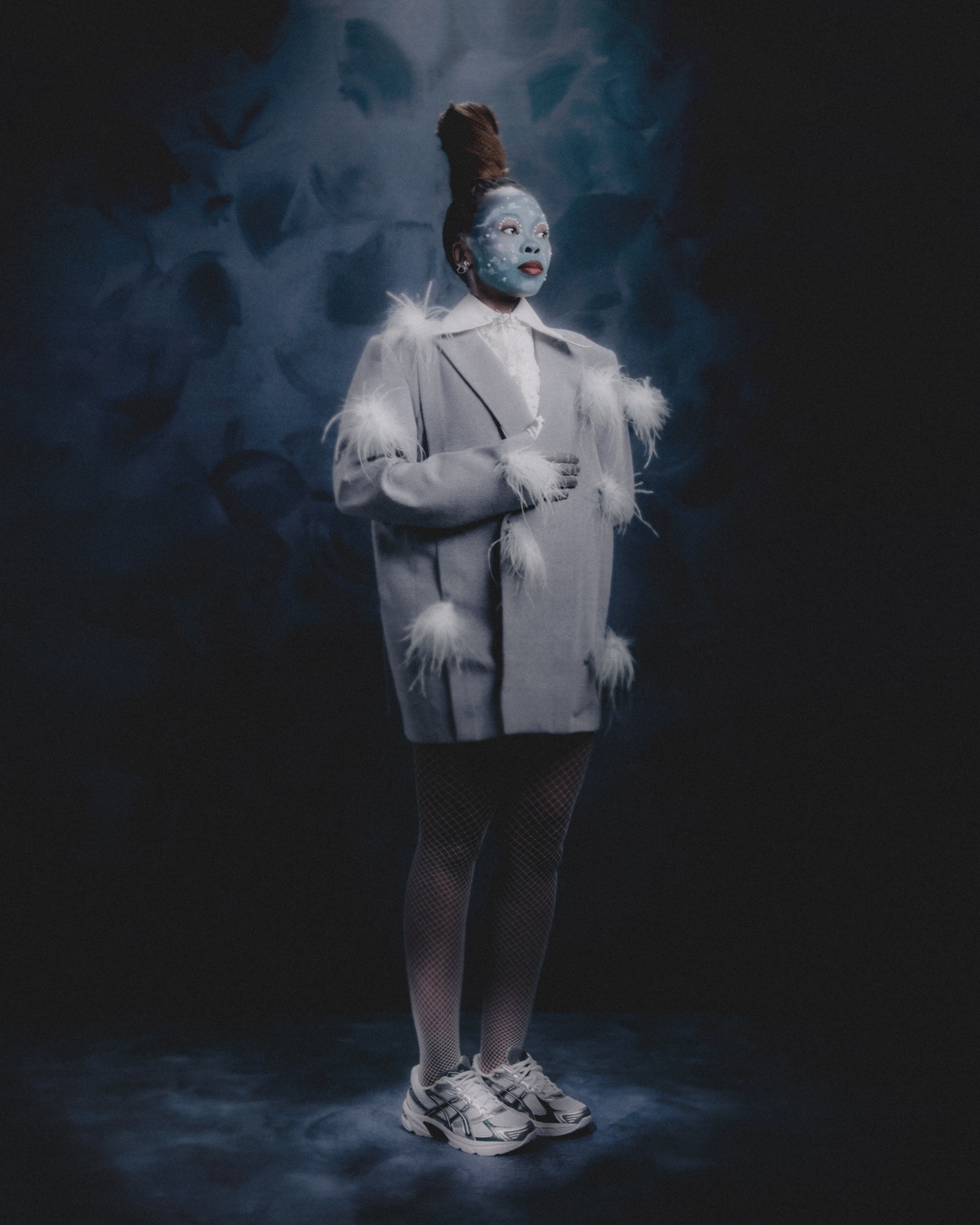
Well, let’s start from the beginning. Talk me through the genesis, where were you, and when did you decide this is what you wanted to do? Were you in varsity, high school?
I think in high school I always knew a nine-to-five wasn’t for me. Just knowing my personality, I realised a structured environment wasn’t where I saw myself. At the time, I was really interested in film and television, so after matric I told my parents I was taking a gap year. I got a camera and thought, video is just moving images, so let me learn the basics through photography first. During that gap year, I shot friends, and then at university I kept shooting, working with people, doing weddings too. Weddings are a great way to learn how to work under pressure. But by my final year, I realised that while the money was good, I was too young for that level of stress. I decided that would be my last year doing weddings.
By the grace of God or the universe, I landed my first brand shoot that year with Fila. It wasn’t fully commercial, more editorial, but it snowballed from there. I started seeing the possibilities within photography, moved further into editorial work, and eventually found myself in the commercial space.
I realised that’s where I enjoy being. It’s not necessarily less stressful, but it aligns more with my personality. Over the past two years, I’ve also been pushing myself back into video, because that’s what I originally wanted to do, finding ways to merge both worlds.
What’s the story behind the name Black Milk?
Honestly… there isn’t one. If I could change it now, I probably would, I feel like I’ve grown past it. I’m also more conscious about what I share online, especially with how AI is evolving. At the time, I was starting my first company and wanted to call it “MILK Studios”, for no real reason. I don’t even like milk. But then I found there was already a MILK Studios in the US, so I just added “Black” because it’s my favourite colour. And it stuck.
Let’s talk about influences. Was there a photograph or body of work that changed how you see the world?
There isn’t one specific image, but early on I was really influenced by Jessica Kobeissi. She was big on YouTube, doing fashion editorials, and her work made me want to explore fashion photography. When you’re starting out, it’s important to shoot everything, different genres teach you different skills. Over time, you figure out what you enjoy and what you’re good at.
More recently, Nadia Lee Cohen has influenced me. Her work feels cinematic, like stills from a film. That really pushed me to see that I can merge photography and video. It reminded me that just because people know you for one thing doesn’t mean you can’t pivot.

What are your favourite things to photograph?
People, definitely. But what I love most is the collaboration. I always tell people: I’ll direct you, but we’re building the image together. I also enjoy creating characters and scenarios, pulling from my love of film. I like images that feel like the subject is a character within a larger story.
Let’s talk about the business side. How did you begin formalising your practice?
For me, it started with deciding what kind of clients I wanted. I didn’t want to keep working with individuals, I wanted to work with brands and agencies, where there’s more structure and consistency. This industry lacks standardisation, especially when it comes to rates. One person charges 25k, another 15k, another 5k for the same thing. Working with agencies at least gives you some framework.
Another big decision was investing in my own equipment. It’s expensive upfront, but it becomes an additional revenue stream, you can charge for gear, and eventually, it pays itself off. I also realised the business couldn’t rely solely on me. During lockdown, when I got COVID, I saw how fragile that model was. You need systems that allow the business to function even when you can’t. Ultimately, it’s about thinking long-term. Whether you’re shooting weddings or campaigns, you need to structure your offering in a way that’s scalable and sustainable not like a corner shop, but like a business.
Do you feel your work reflects any particular themes or worldview?
Sometimes people point things out in my work that I wasn’t even aware of. For me, the main focus is aesthetic packaging, presenting South African photography in a way that feels globally competitive. Our visual history is rooted in documentary and jazz photography, which wasn’t always about aesthetics. I’m interested in pushing that forward visually.
There’s also mention of you mentoring women in the industry; how does that show up now?
At the time that bio was written, it was very true. I was intentionally working with all-female teams. But it’s challenging in a commercial context because of the demands of the industry. The only way to build that capacity is through exposure, but you also need people who can keep up on set, it’s a difficult cycle. That said, I still try to uplift where I can, especially through workshops. And I do work with a female assistant now who’s learning through the process. But we definitely need more women in space.
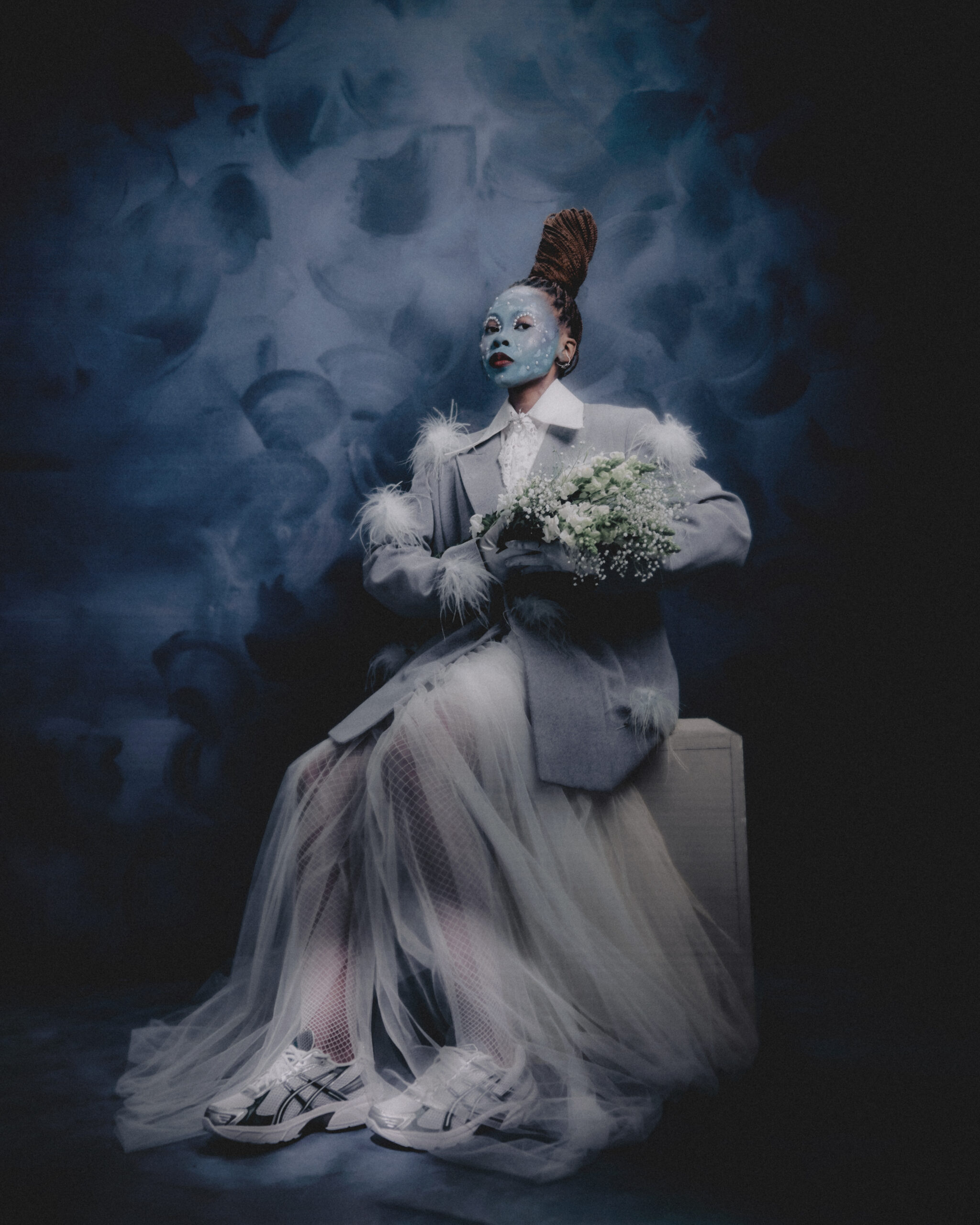
ASICS is rooted in the philosophy of “a sound mind in a sound body.” How does that idea resonate with your creative process? What practices help you stay mentally and physically aligned to produce work that moves culture?
Nothing fancy, sleep and gym. Even when I’m tired, I push myself to go. It helps with emotional regulation and staying balanced.
There’s a quiet power in deciding what gets seen and what doesn’t. How do you approach authorship when your work has the ability to shape how a generation remembers culture?
I actually don’t think it’s saturated that mindset comes from scarcity. There’s space for everyone, and if you don’t find your space, you create it. I’ve never tried to stand out deliberately. I just focus on doing what aligns with me whether that’s avoiding events or not working with influencers unless it’s brand-led. I walk my own path, and the people who resonate with it will find me.
How would you like to be remembered and why is that imprint important to you?
I hope people see that they don’t have to follow what everyone else is doing. There’s no need to replicate what already exists, you can carve your own path and do things your own way.
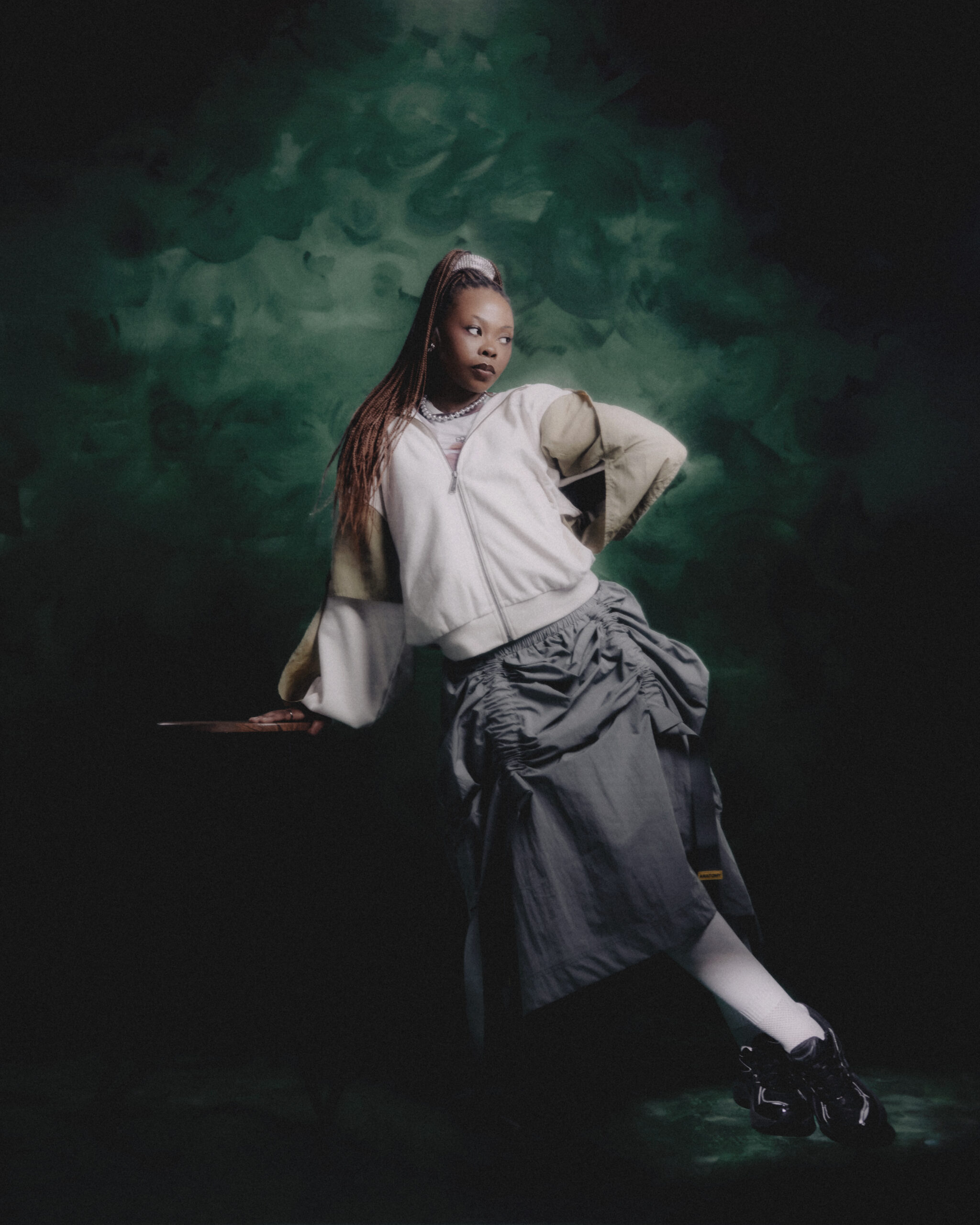
“I walk my own path, and the people who resonate with it will find me.”
