Held In Her Gaze: Marian Charumbira

Marian Charumbira is a photographer shaped by movement between Zimbabwe, Botswana, and South Africa. Her work is rooted in the quiet negotiations of the diaspora: learning how to see, connect, and belong across shifting worlds. Her images do not chase spectacle; they sit gently with people. There is a stillness in her gaze, an attentiveness that feels less like observation and more like recognition. For Marian, photography is not about taking, but about meeting, creating space for people to exist as they are, unguarded and fully present.
What began as instinct has evolved into a practice of deep emotional presence. Moving with patience rather than control, she captures moments as they unfold. Whether in the intimacy of a crowd or the energy of a live performance. Her lens has moved through defining cultural spaces like Ultra South Africa, Rocking the Daisies, and Milk + Cookies Festival.
Guided by faith and grounded in care, Marian approaches photography as both witness and participant, understanding that to photograph someone is not to capture them, but to truly see them.
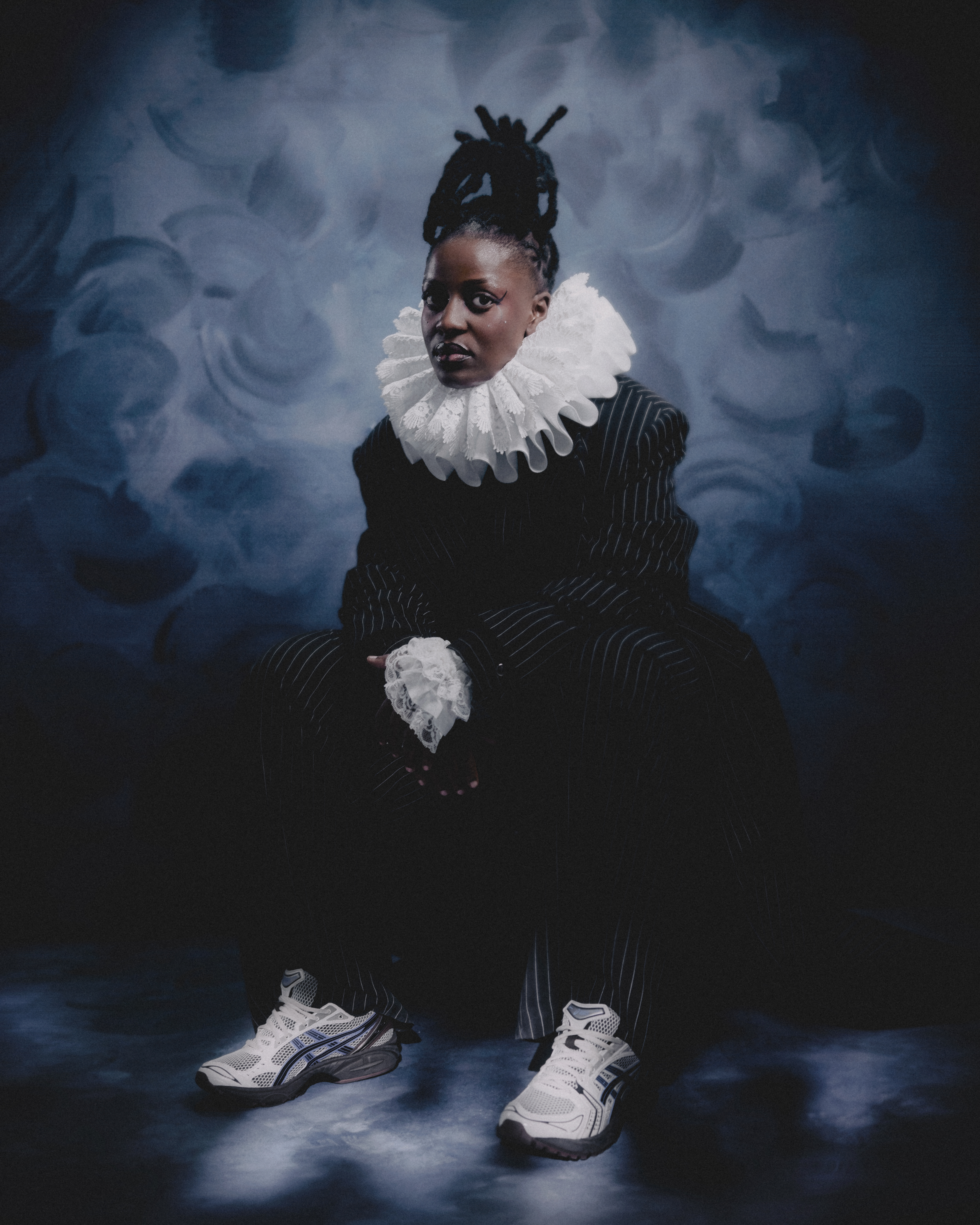
Let’s start at the root. What early experiences or environments shaped the way you connect with people, and how does that show up in your work today? Tell us about your upbringing.
I think the way I connect with people is deeply shaped by my experience of the diaspora. I grew up moving between cultures, identities, and spaces. I was born in Zimbabwe, raised in Botswana, and later pursued my tertiary education in South Africa where I studied Applied Statistics at UCT. That constant shifting taught me how to find connection even in unfamiliar environments.
Because of that, I naturally gravitate toward quiet, honest, and often overlooked moments. My work isn’t really about the camera, it’s about connection. It’s about seeing people as they are, across different worlds, and creating a space where they feel recognised. A lot of what I do, even at events, is about finding pieces of home in people, those moments where someone is just existing, fully themselves, without performance.
Your images hold a certain stillness and attentiveness to people, rather than just moments. When did photography begin to feel like a language you could use to understand the world?
Photography started as an escape for me. When my dad bought me my first camera, it gave me a space where I could exist freely, without pressure, without expectations. But even before that, I was always the person taking pictures of my friends. I didn’t understand it as “photography” at the time, I just knew I loved capturing people and making them feel good.
Over time, it became something deeper. I realised I didn’t enjoy directing people. I preferred letting them be. I engage with them first, we talk, we ease into it, and then something natural happens. That’s when it started to feel like a language because it became less about taking images and more about understanding people through presence, energy, and connection.

ASICS speaks to the idea of a sound mind in a sound body. In a practice that asks for both emotional presence and physical energy, what keeps you grounded and in rhythm?
For me, it’s my faith and my belief in God. I move with the understanding that God is within me, a quiet, guiding presence that keeps me grounded and intentional in how I show up.
That belief helps me stay calm in high-energy environments. It allows me to trust what I’m seeing and trust that I’m meant to be in the spaces I’m in, so I don’t force moments. I just exist within them. And practically, I believe in rest. I take naps. I listen to my body. Because the work is physically demanding, and balance comes from both spiritual grounding and proper rest.
There’s an intentionality in how you see people; nothing feels taken, everything feels offered. How do you navigate the responsibility of shaping how people and their stories are archived in your photography?
I approach every person with respect, because I’m entering their space. That’s something I’m always conscious of.
Before I even take a photo, I engage, I talk to them, make them feel comfortable, affirm them. It becomes a collaboration. I let them be themselves, and I meet them where they are. The responsibility lies in making sure people feel seen, not taken from. The image is important, but how they feel in that moment is just as important. I believe the most honest images come from ease, from trust, and from that shared understanding between me and the person in front of the camera.

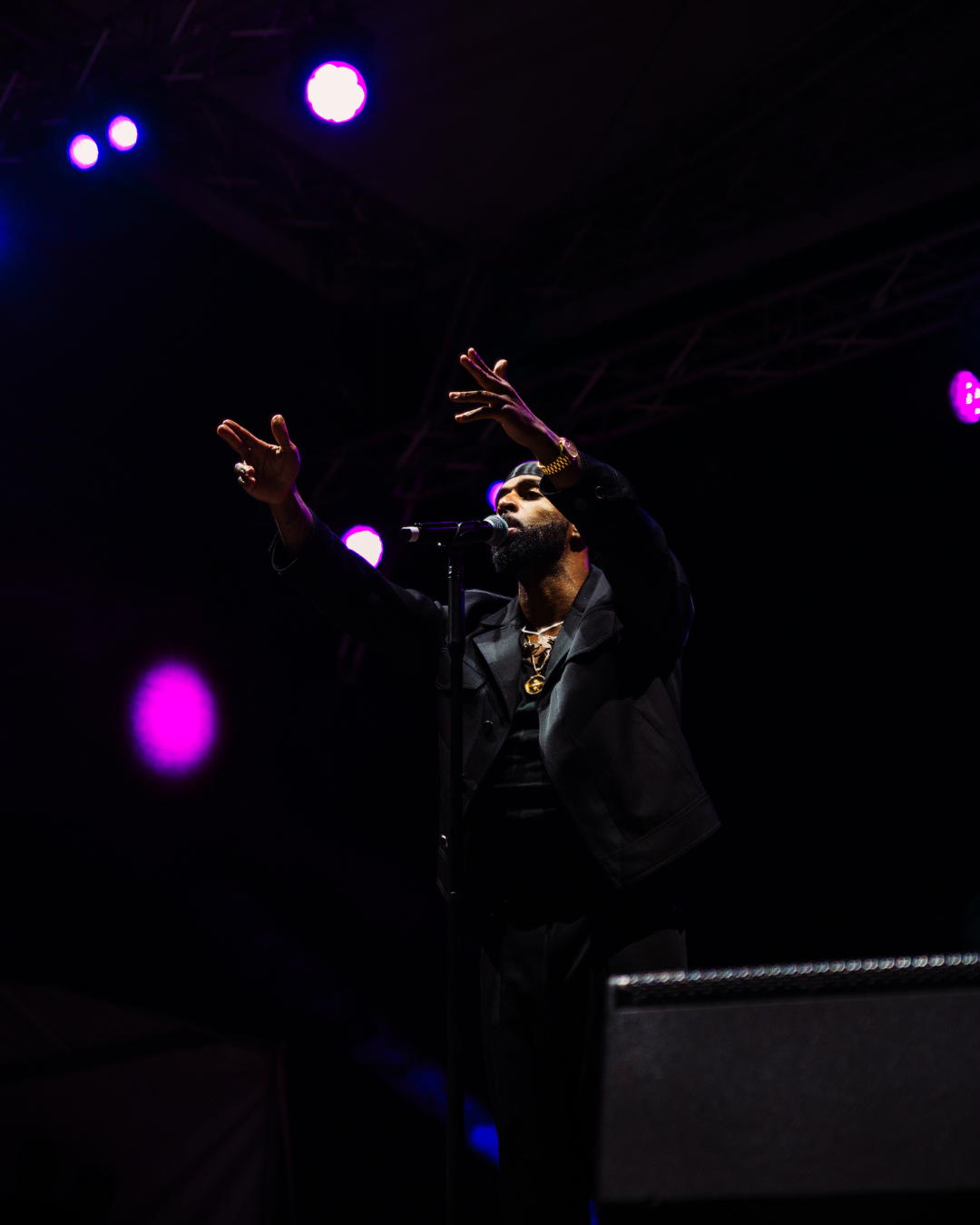

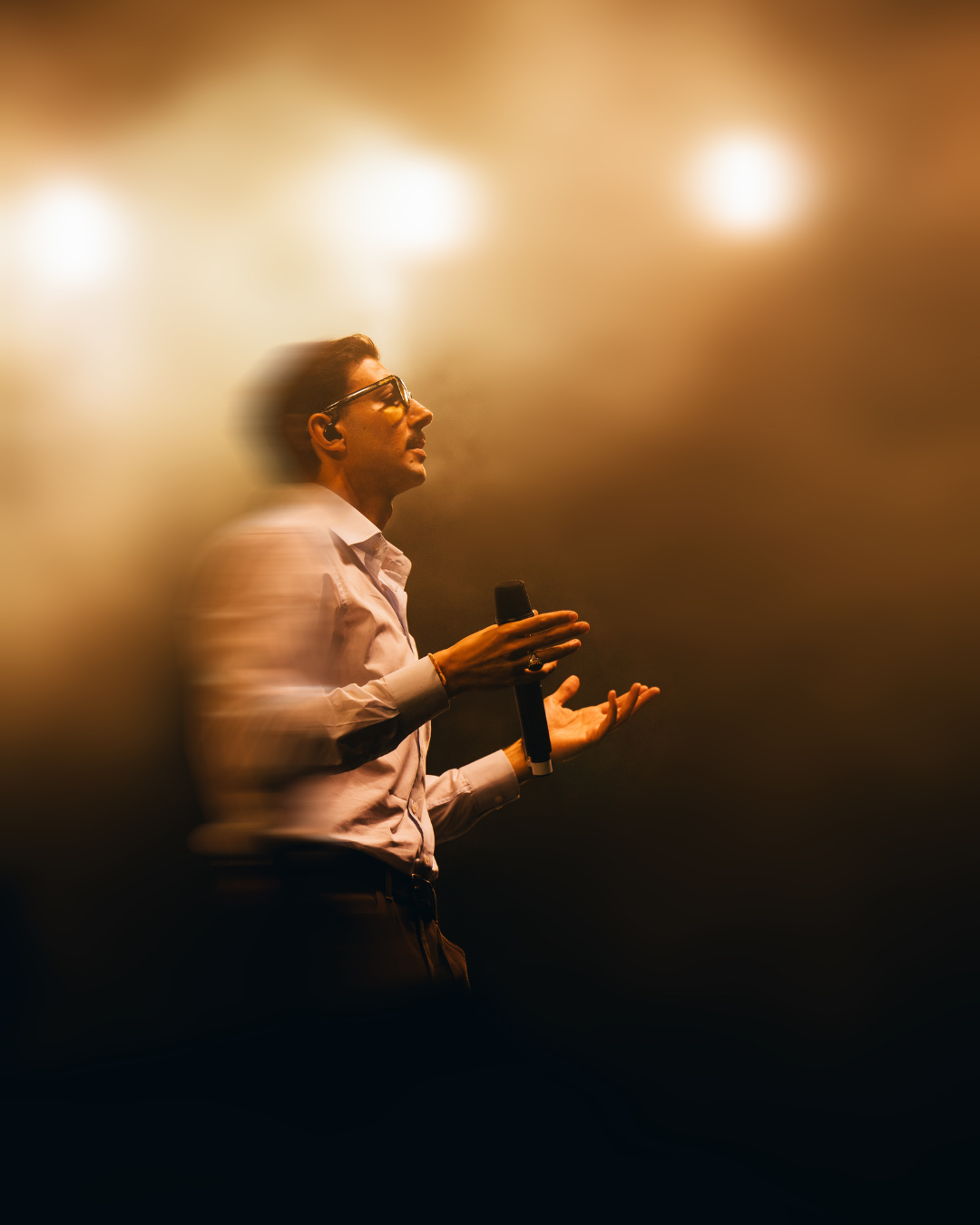
Your work often sits between performance and portraiture. How do you guide your subjects to balance what feels real and what feels composed especially in moments like Summer Walker or Majid Jordan?
With performances, I don’t direct, I observe. It’s about patience and immersion. For example, with Majid Jordan, I already had a deep emotional connection to their music, so the way I shot them was influenced by how their work made me feel. That familiarity helped shape how I framed them.
In live settings, everything moves fast, but I wait. I listen, I watch, I feel the rhythm of the artist. I look for moments when emotion naturally peaks because that’s when something real happens. It’s also about perspective, finding different angles, not just following the crowd. But more than anything, it’s about being present enough to catch the moment when it reveals itself.
Across your images, light, colour, and framing feel deliberate. What visual cues do you return to when shaping your signature style?
It starts with a feeling. Over time, light, colour, and framing have become instinctive for me. I don’t consciously construct them; they come together naturally when something feels right. I’m always observing. I scan spaces constantly, watching how light hits someone, how colour interacts, how a moment is about to unfold. And when it aligns, I just know. At its core, I’m trying to create images that feel like a mood before they even tell a story.
It’s about sensitivity, how I see people, how I notice details, and how I translate that into something visual.

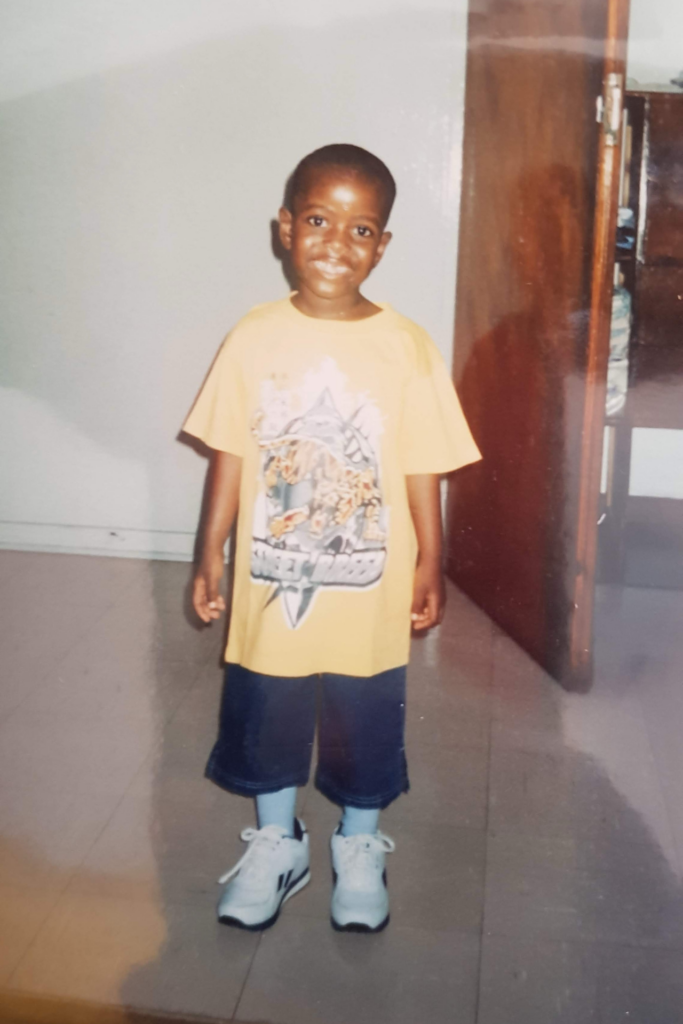

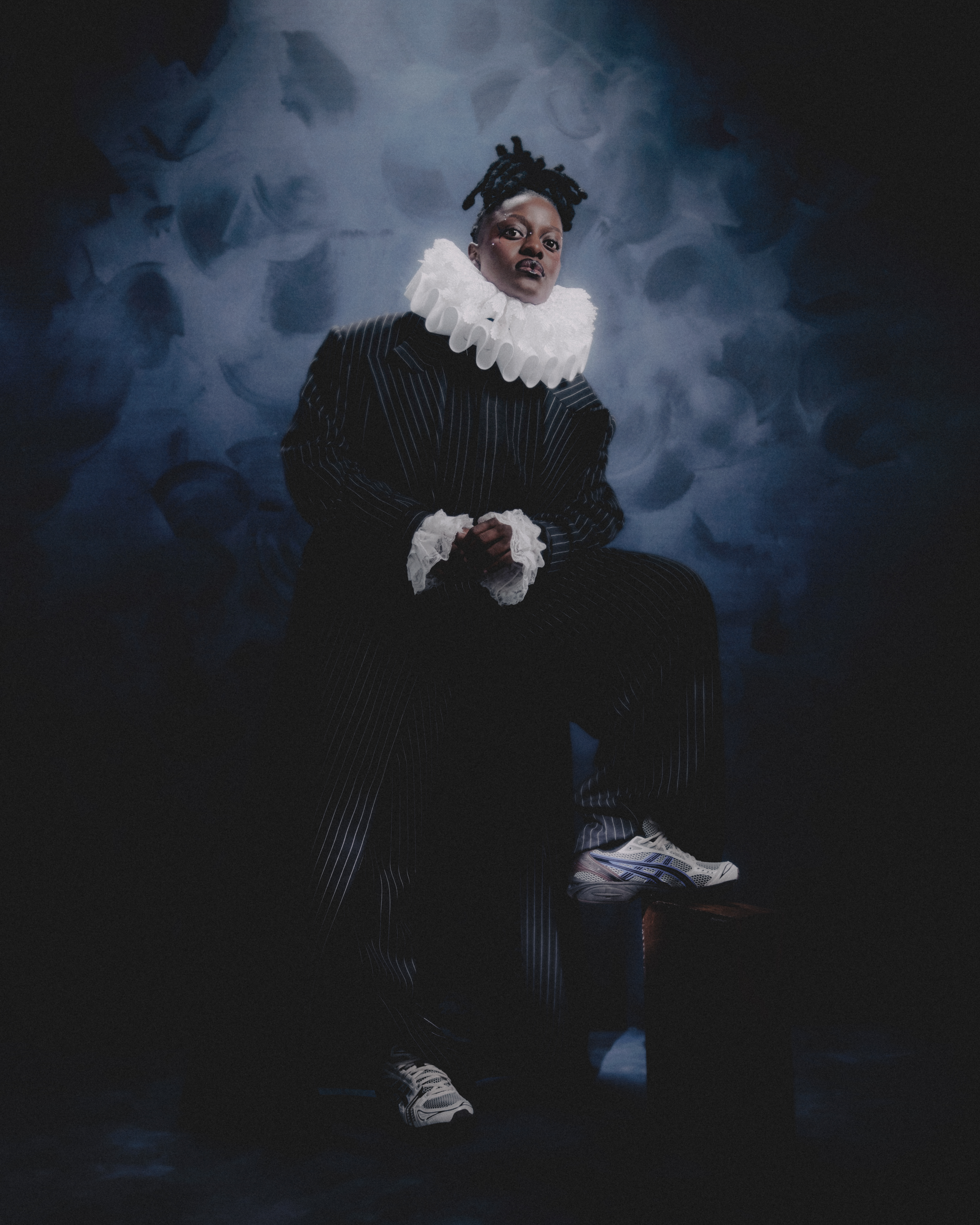
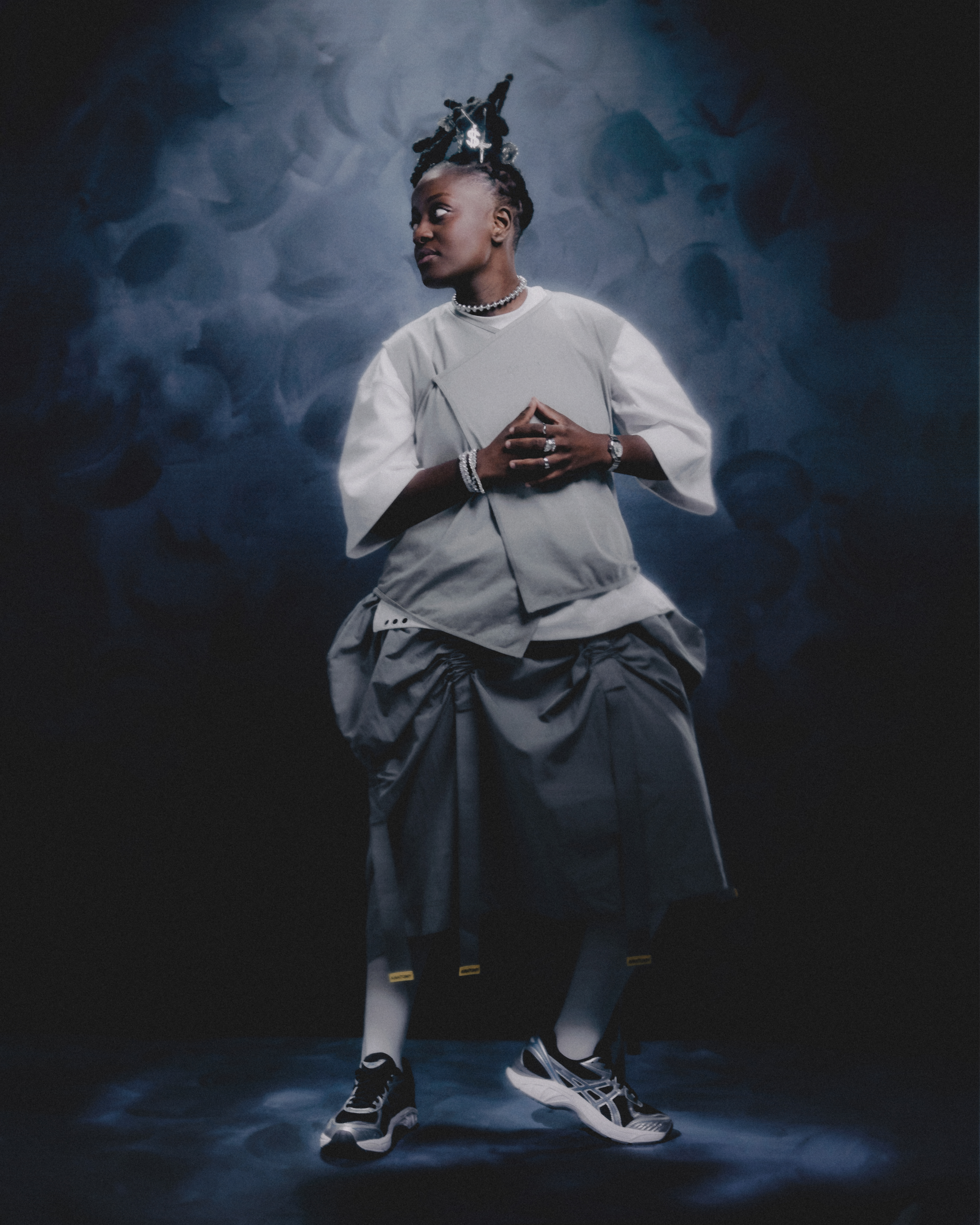
For this cover, the lens turns toward you. How does it feel to be held in the same gaze you’ve so carefully constructed for others?
Being in front of the camera is honestly nerve-wracking for me. It’s made me even more aware of how vulnerable it can feel to be seen. But what made this experience special wasn’t just the final image, it was everything leading up to it. The conversations, the energy on set, the care from the team, that’s what made me feel beautiful.
Photography has always been about that journey before the shutter. The connection, the atmosphere, the feeling you create with someone. That’s what lives in the image. So being on the other side of that gaze allowed me to experience exactly what I try to give others and it reminded me that the most powerful images come from what people feel before the photo is even taken.
“The responsibility lies in making sure people feel seen, not taken from. The image is important, but how they feel in that moment is just as important.“
