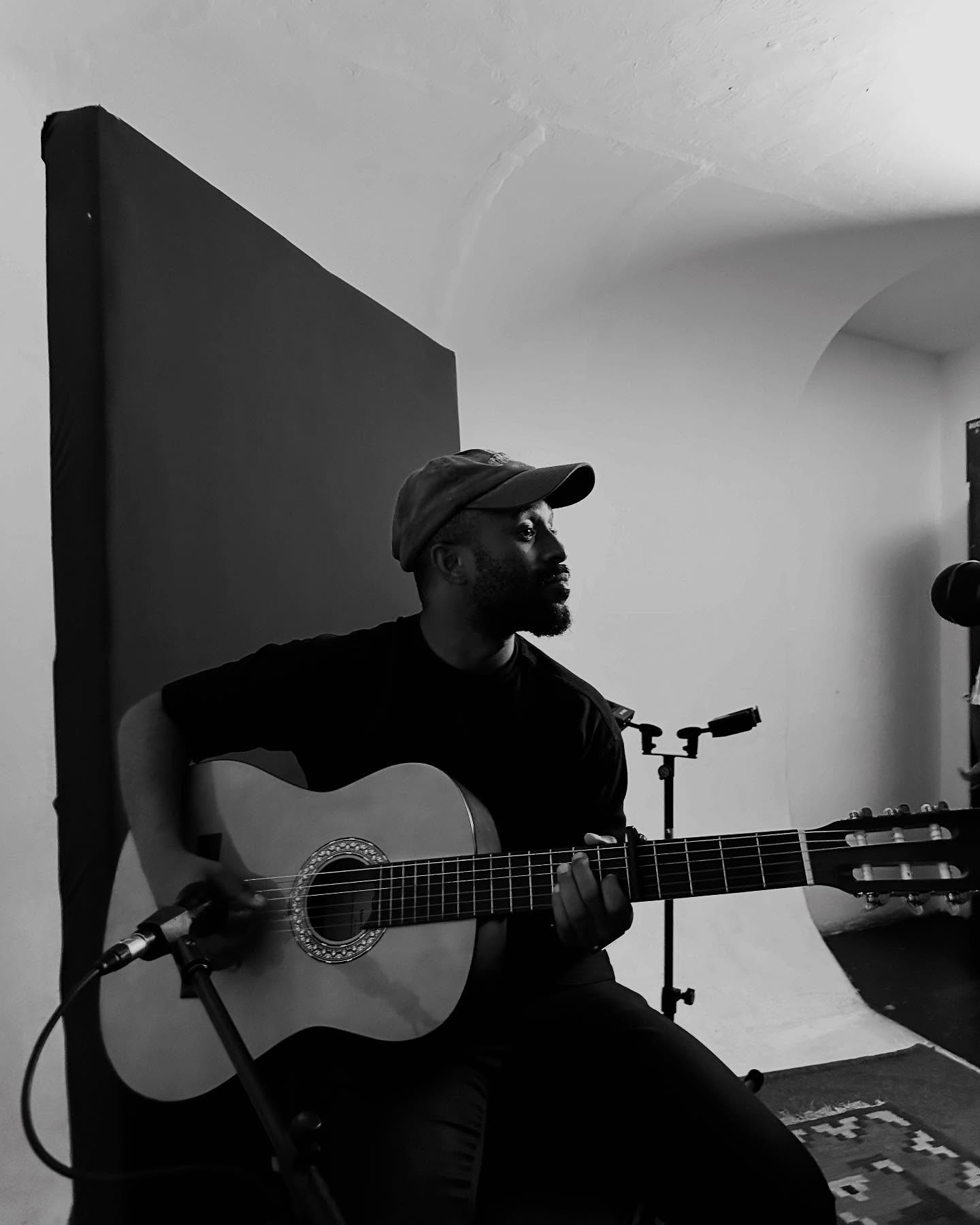
“Honesty travels further than language sometimes.”
– Athenkosi Cetyana
Interview by Hlengiwe Mkwayi
My first encounter of Athenkosi Cetyana was not on a stage or through my favourite and worn out pair of headphones. It was in the ordinary geography of a university experience: res dining halls and campus corridors, where nods and smiles of acknowledgment were passed and small talk exchanged.
While Varsity is a site where meaningful connections are made, it also carries a transient quality about it. Of course, in retrospect, those fleeting encounters become the architecture of our lives as we bear witness to early versions of each other; in Internet Athi’s case, his early version that I speak of studied Information Systems and Computer Science at UCT.
It is incredibly profound for someone to move from the periphery of your memory to being the centre of your emotional landscape and that of many others across South Africa and the world. Internet Athi’s music exists as moment-markers of life’s intricacies of love, loss, joy, and becoming.
His debut album, Polymorphism, borrows its title from a concept that describes the capacity to exist in many forms. It becomes an apt framework for understanding not only the record but the artist behind it. Across the album, introspection gives way to larger questions of history and place, reminding us that our most personal experiences are never detached from the social and political realities that surround us. As Internet Athi reflects, “we can’t escape the politics of everything, even in our most intimate moments of discomfort.”
Watch the full interview below.
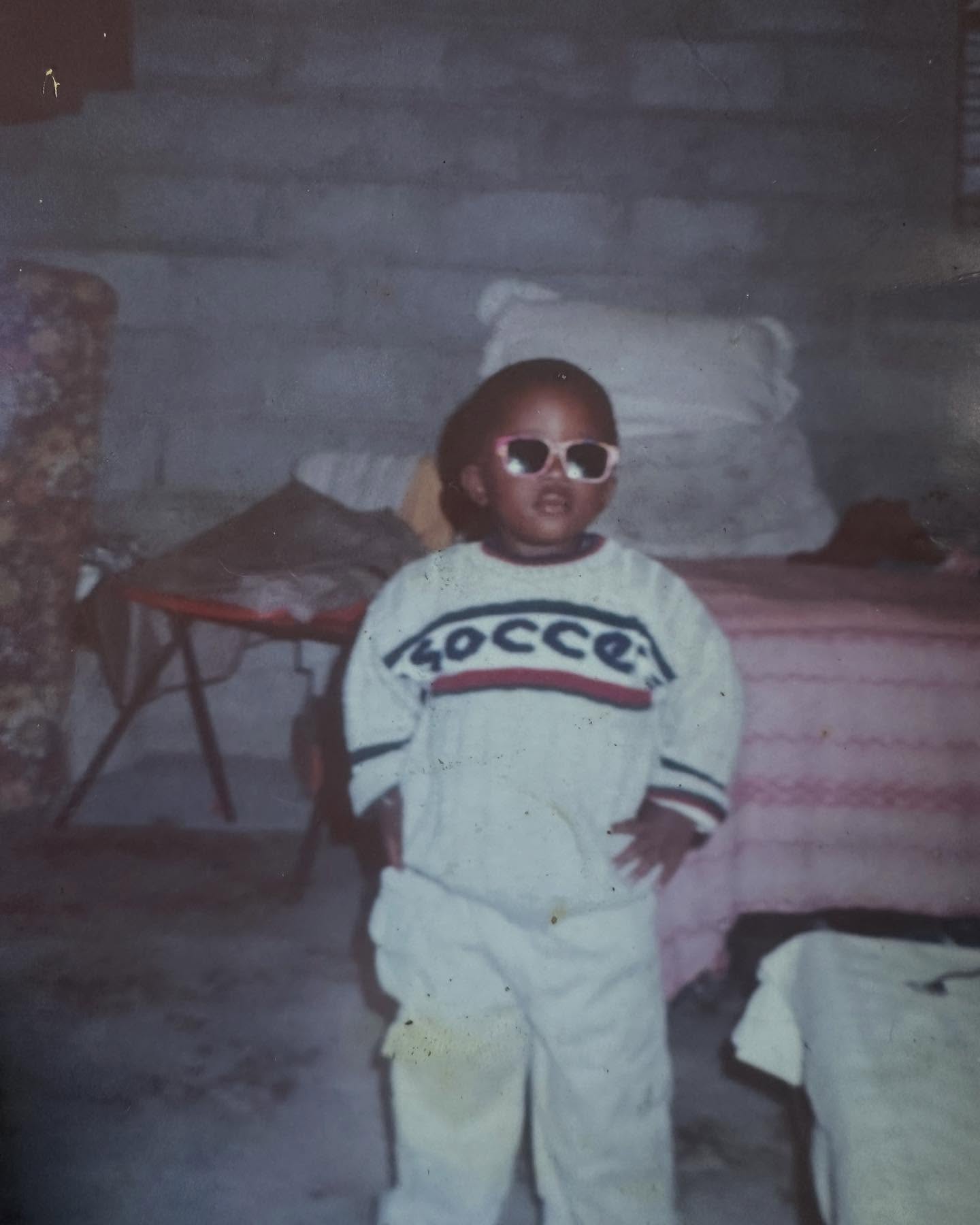
Your lyricism feels like personal journal entries. With a song like Mna, the track additionally gestures toward much larger questions of land, naming and identity. I’m interested in where those worlds meet. How do your personal experiences become a lens through which you explore broader social and political realities?
Polymorphism was, for the most part, an introspective record. I wanted to write from the position of someone witnessing their own lived experience. While making the album, I felt this pressing need to see myself in full. In trying to look at myself honestly, a song like uMna emerged. Out of feelings of despair, anger, and just not knowing what I’m doing on this planet.
And I couldn’t escape the reality of living in a country where our personal lives are constantly entangled with larger social and political questions. I think that’s evidence that we can’t escape the politics of everything, even in our most intimate moments of discomfort. Maybe especially then.
You write and sing in isiXhosa . Do you see yourself as preserving tradition, reinventing it, or creating something altogether different
I write and sing in isiXhosa because it’s the language that comes most naturally to me. It’s the language that best translates my experiences. I’m always moved that people can find themselves in these songs, even when they don’t understand every nuance of the words. That reminds me that honesty travels further than language sometimes.
I don’t think of myself as preserving or reinventing tradition. I think of myself as a student of isiXhosa, of ubuXhosa. From that place of learning, I get to build worlds that, I hope, can one day hold the thinking of those who come after me, just as the people before me built worlds spacious enough for me to inherit.
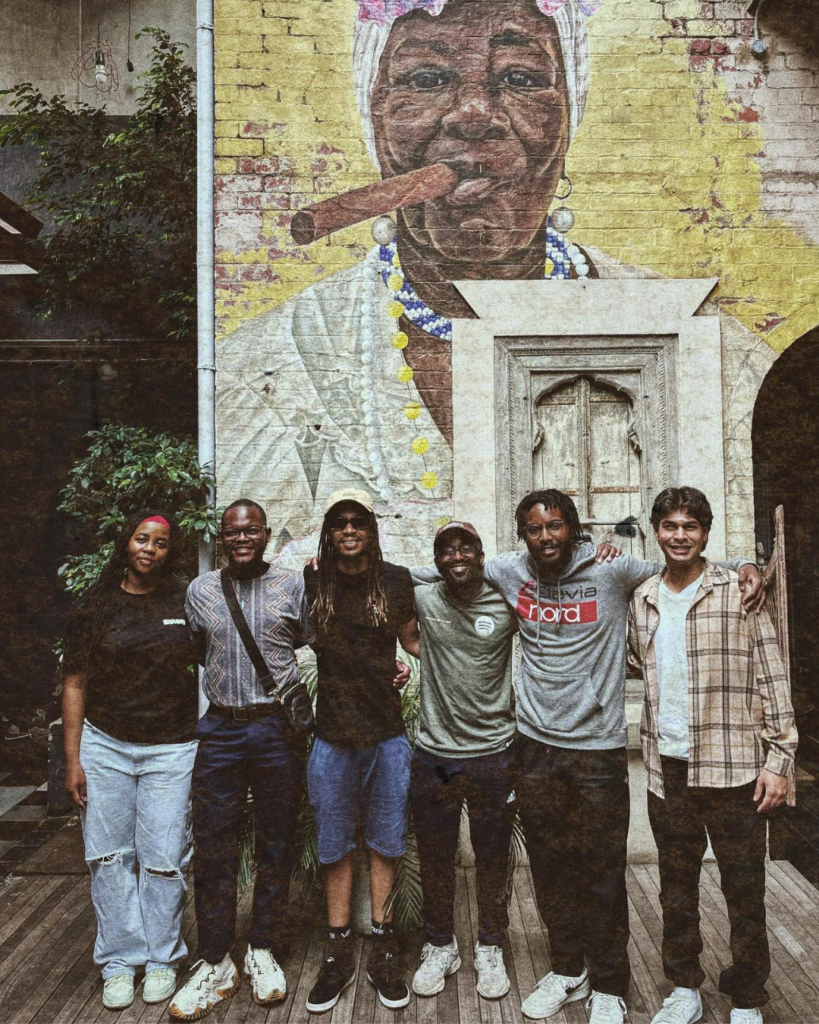

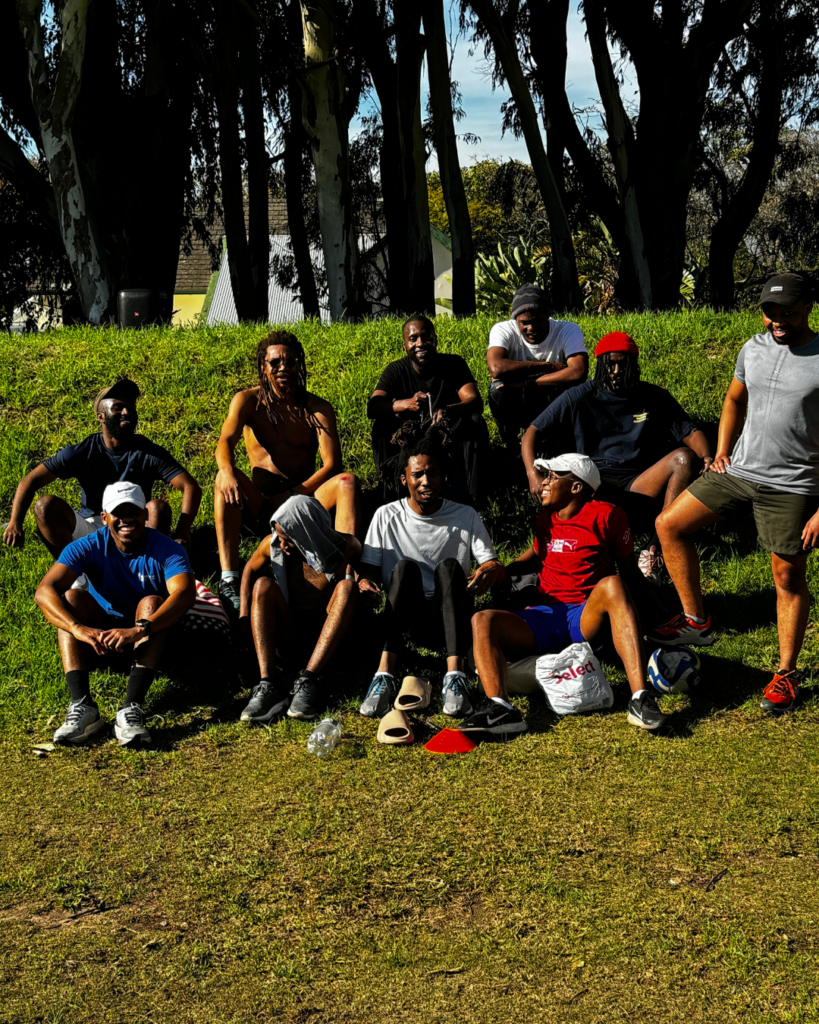
What’s the strangest place an idea has ever found you?
Between places. Walking home after a night out, sitting in the back of an Uber. Which is unfortunate for whoever I’m with. An idea will arrive out of nowhere, and suddenly I’m asking existential questions instead of dancing. That time iVolume iku-100. My friends have learned to pay me no mind when I disappear into one of these strange little moments to chase a thought before it disappears.
I want to throw some rapid fire phrases. Please offer back what comes to mind.
A sound that reminds you of home:
A church bell. Instantly.
The last thing that made you stop and listen.
A song. “try sometimes” by Ethan French & CHISEKO
An album that changed the way you think. Yoh, so many! There are too many. Off the top of my head: Aromanticism by Moses Sumney, Sankofa by Thandiswa, Freudian by Daniel Caesar, The Fall-Off by J. Cole, and good kid, m.A.A.d city by Kendrick Lamar. Ntumba by Ringo Madlingozi. Sorry, I genuinely couldn’t choose just one.
Finish the sentence: “The internet gave me _, but music gave me _.“
“The internet gave me perspective, but music gave me permission to become myself again.”

Polymorphism speaks to the ability to exist in many forms. What forms do you imagine yourself growing into? Feel free to answer this outside of the context of music, should you wish.
Professionally, I imagine myself creating roles that don’t quite exist yet, roles that make sense for the intersection of art and technology that I’m drawn to. Making my debut album meant learning how to build things from scratch: not just the music itself, but the systems around it too. To my surprise, I found that I really enjoyed that work. With more projects, more curiosity, and more learning, I can see myself growing into the role of a creative director or perhaps helping redefine what that role can look like for artists working across disciplines.
Beyond my professional aspirations, I hope I grow into a healed version of myself. A more joyful person. Someone lighter. I think that might be the most meaningful transformation of all.