Many in Body, One in Mind: Mvelo Mahlangu

There is a quiet intentionality to how Mvelo Midoli Mahlangu moves through the world, one that is shaped as much by introspection as it is by collaboration. Trained as an architectural technician and self-taught as a photographer and art director, her creative practice sits at the intersection of structure and feeling, where research meets intuition, and image-making becomes a way of thinking through the self.
When one encounters Mvelo’s work, it is clear that there is a lot of experimentation at play. Her approach to conceptual portraiture has seen a holistic consideration of, while foregrounding the subject’s inner world through subtle messaging that is seen in how she crafts the environment in which they are placed in. Much like her mutli-hyphenated self as photographer and art director, her work resists singular definition.
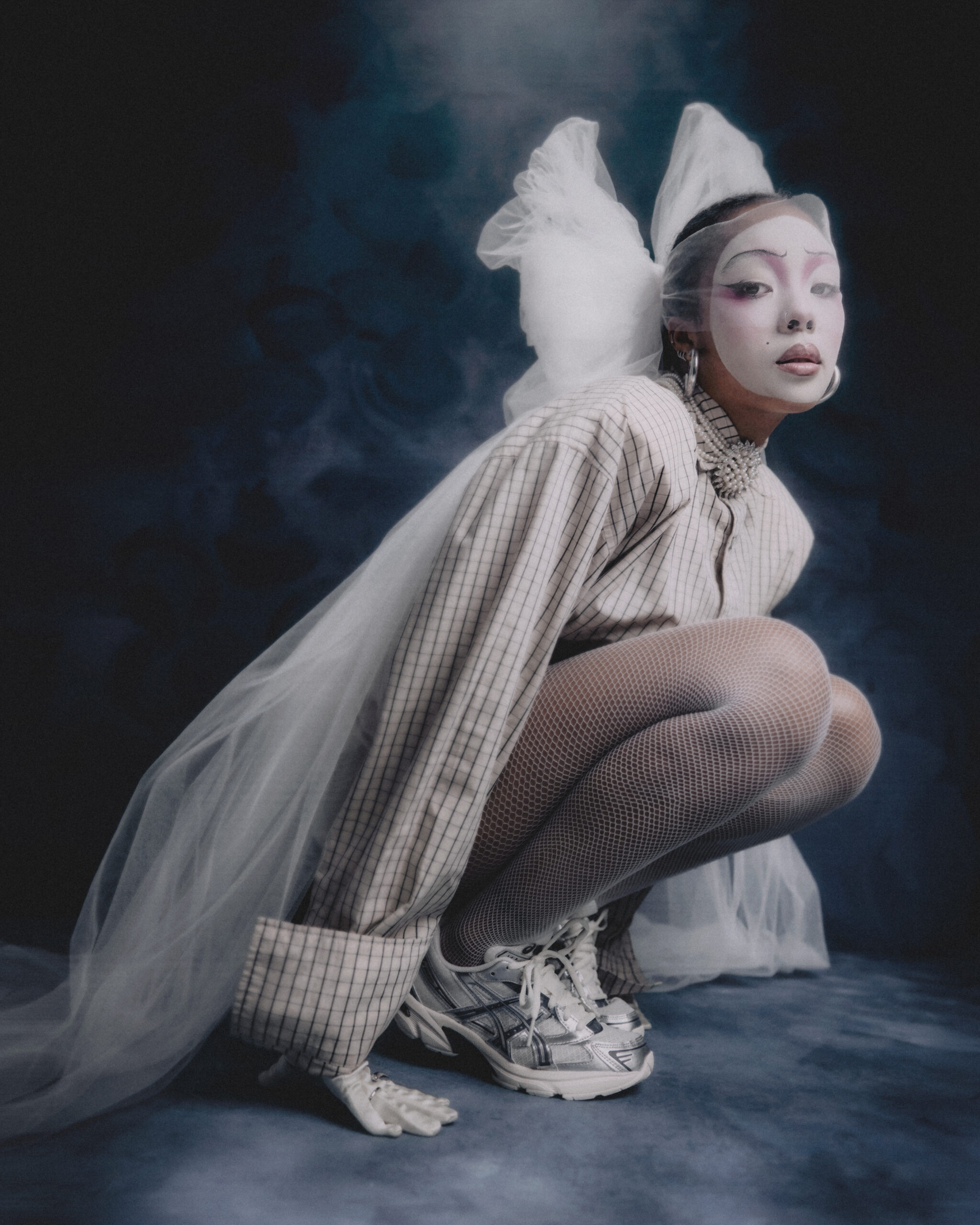
Let’s start with your Genesis. What is your story?
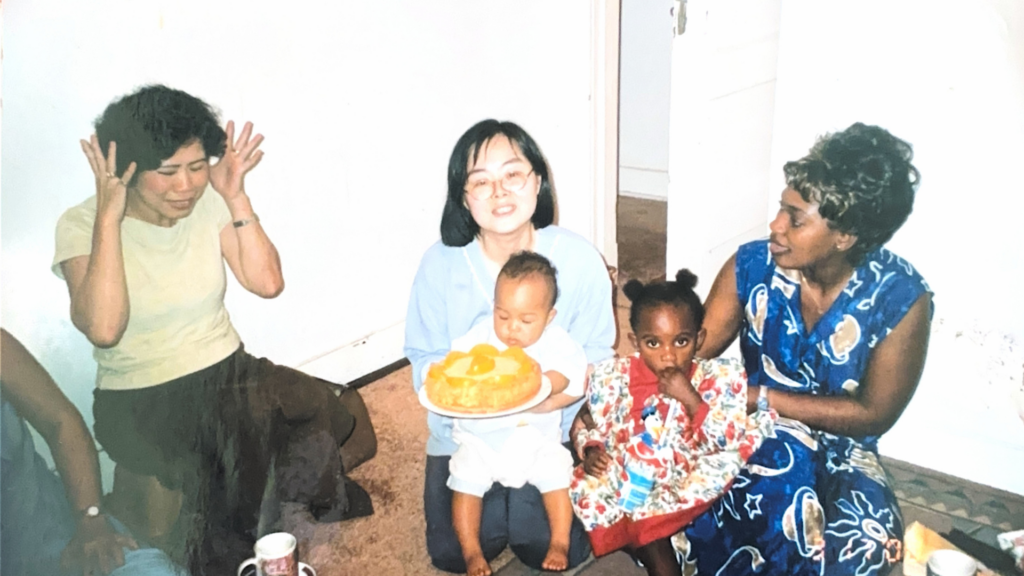
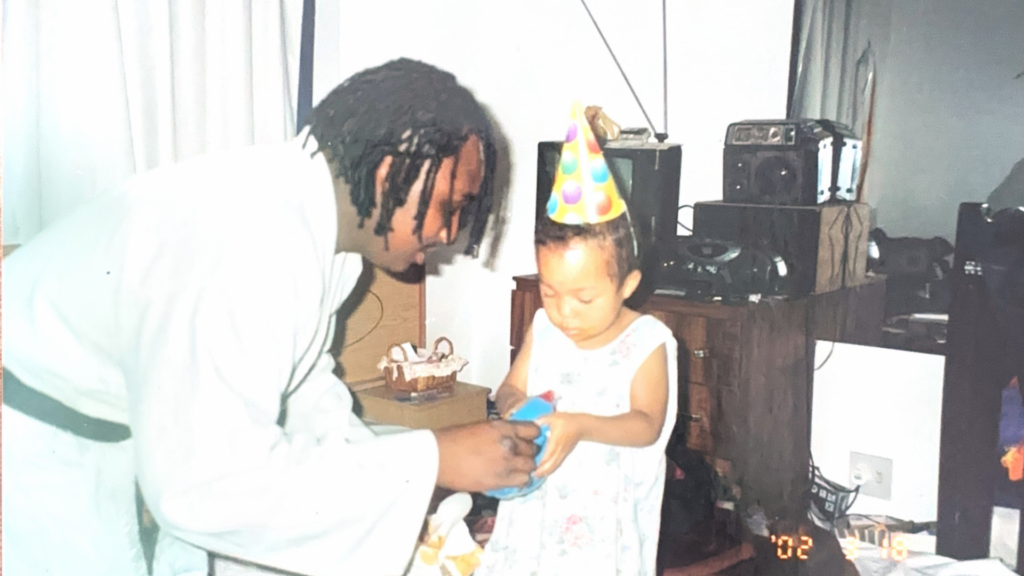
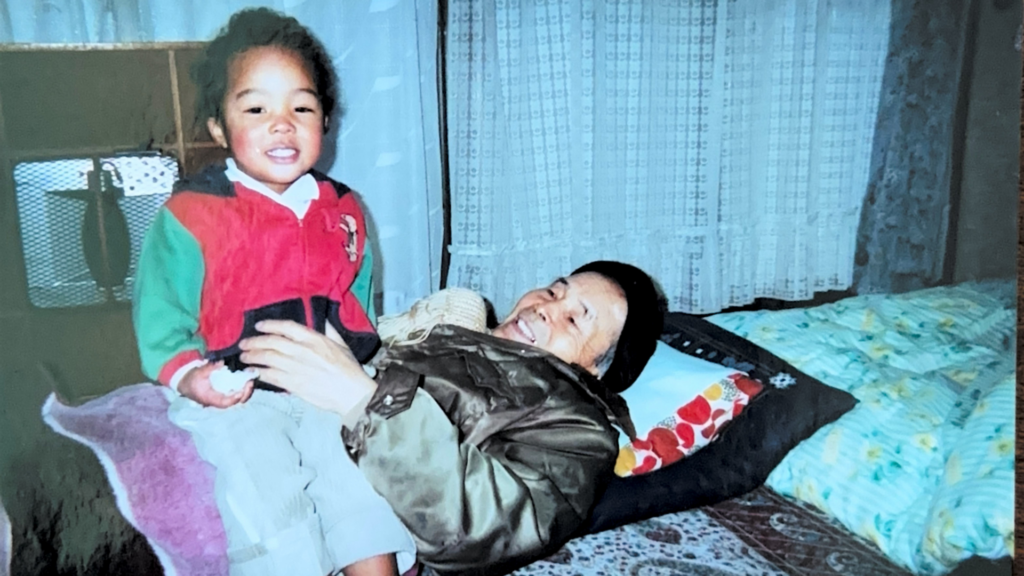
Okay, where do I start? I was born in 1999. My mom is Japanese, and my dad Ndebele. They met, I guess, about two years prior. My mom had a work opportunity in South Africa, and she met my dad through work. And then two years later, I happened.
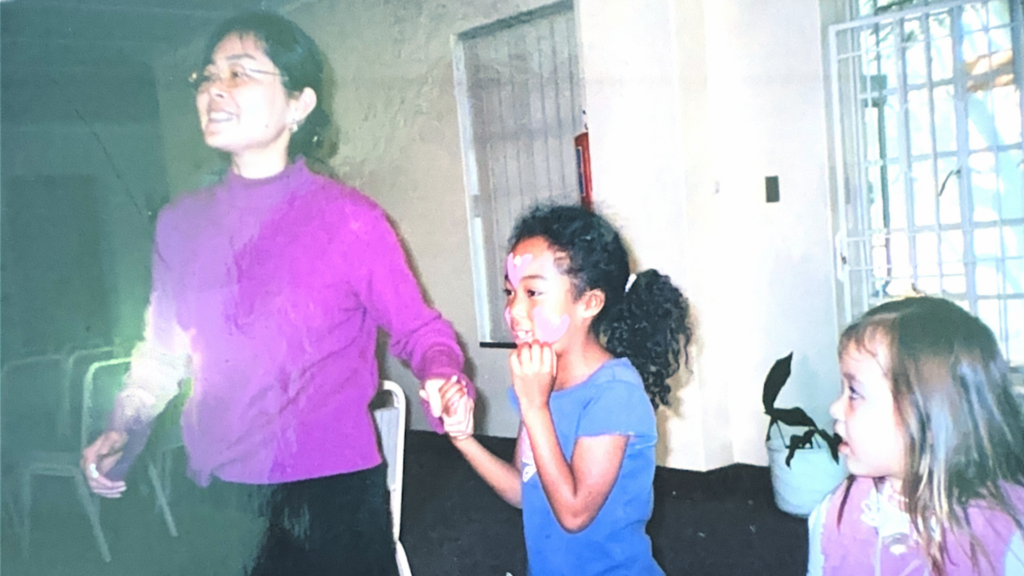
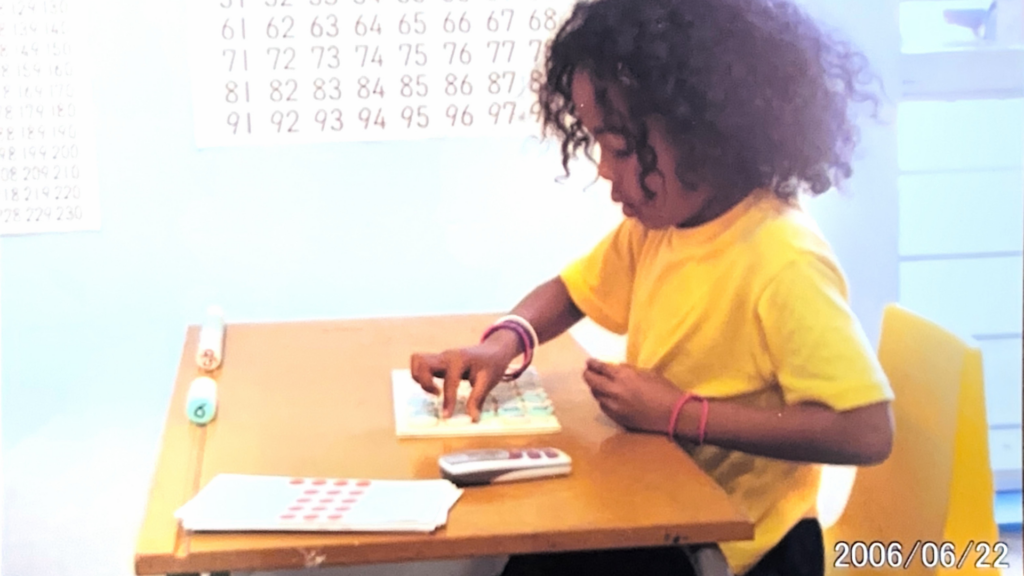
I’m an only child, unfortunately. I do wish I had siblings. I actually wouldn’t have minded being a middle child. I grew up in a very creative environment. I would say my mom is inherently creative. From her side of the family, we’re all quite creative. She wanted to be a Manga artist, so she’s really good at drawing and painting. Because of that, I had little snippets of creativity around me while growing up. Not so much visually in the house though because, interestingly, our home had very plain walls. Nothing on them. It was quite minimal. But in my room, I had the liberty to do whatever I wanted. I could draw on the walls, put anything up. So even though there weren’t many external visual signifiers of a creative home, my mom gave me that freedom in my own space.
And I think that’s what allowed me to be creative without fear.
Growing up, I was always inclined towards art, and I was fortunate to be surrounded by creative friends. Through them, I gained insight and access to different ways of seeing and engaging with creativity, and that is ultimately how I discovered photography. A close friend at the time had begun exploring photography themself; learning through available resources, self-teaching, and experimentation. They, in turn, taught me how to use a camera, how to begin composing images, and how to think visually. My journey was therefore self-taught, but also shaped by someone who was also self-taught, which made the process feel open and exploratory rather than formal.
We would experiment with ideas inspired by album covers, and I value that period deeply because I didn’t have access to much equipment or structured inspiration. I also grew up without a TV for a time, so most of my influence came from my immediate environment and friends rather than the internet or external media. Around 15 or 16, Instagram meetups were happening in the city, where people would gather to photograph together. We began attending these as teenagers, meeting older and more experienced photographers and observing how they composed images and worked with subjects. That exposure was formative. Eventually, once I had a decent phone camera, I began exploring more independently, synthesising everything I had absorbed.
Photography remained a hobby through my architecture studies, but after graduating in 2020, I started questioning the traditional architectural path and instead began thinking about it as a broader creative umbrella. During COVID, I met and made friends with a good friend who works as a film producer and through him, I was invited onto a documentary set as a BTS photographer. It was a new environment and defintely nerve wrecking for me.
That first opportunity led to more work through word of mouth, and I began moving between sets, learning how productions function while capturing behind-the-scenes moments. From there, people started asking me for personal shoots, which enabled and empowered me to view this not just as a hobby, but rather a profession.
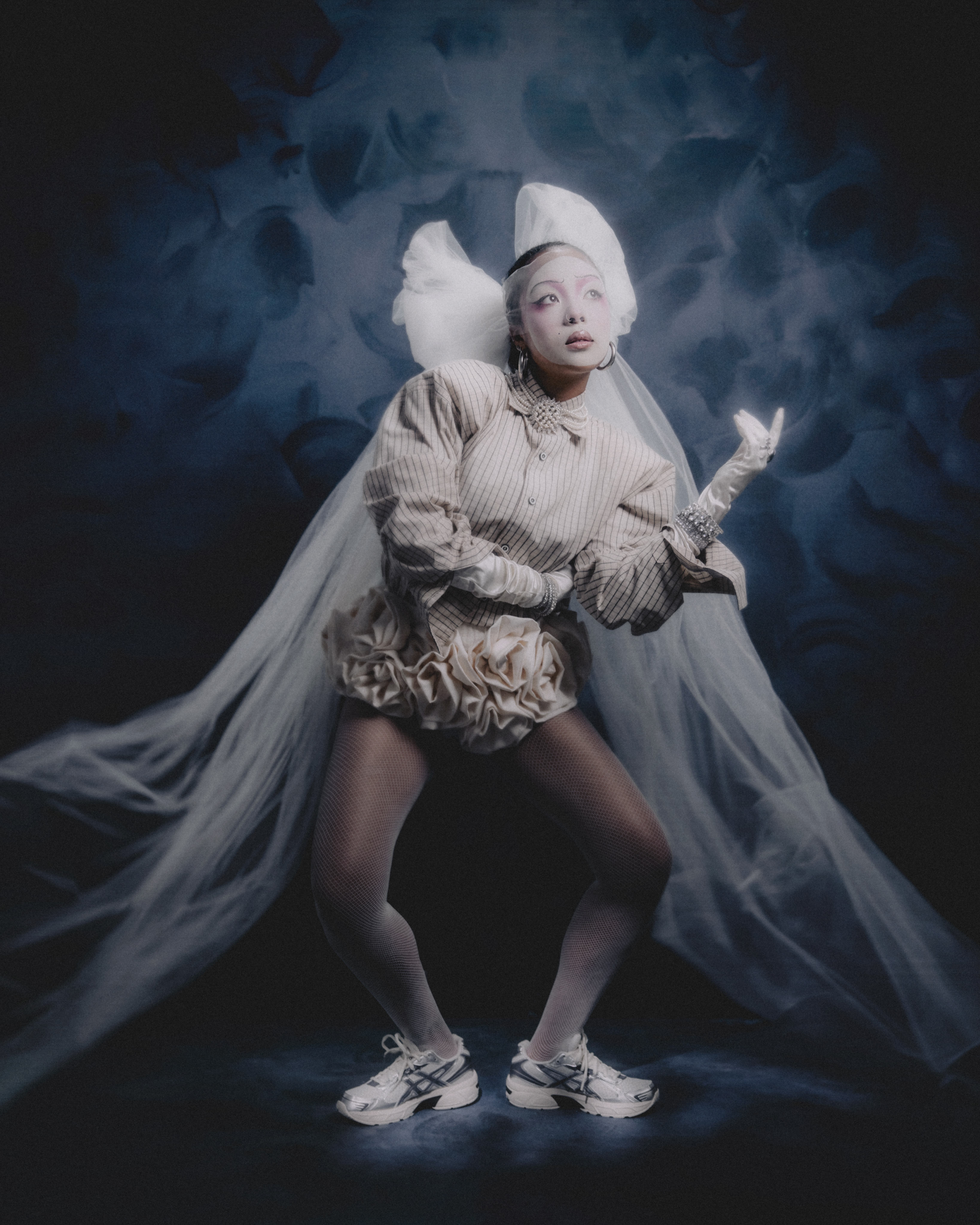
As a self-taught photographer with an architectural background, how do ideas of structure, space, and form influence the way you compose an image?
I think my background in architecture gave me a foundation for how I interrogate ideas; what it is I’m trying to express, and how I want to express it. In architecture, research is huge. You have to understand the subject, context and the environment before considering how you could add value to it..
So it becomes a process of understanding, and then asking: how do I respond to this? How do I contribute to it? In that way, you’re trying to build a kind of harmonious relationship between the subject and your own idea. So the way this looks like in practice for example is if a client wants to incorporate Pantsula culture into the shoot, I don’t just rely on the references that they provide. I take it as a starting point to then research the origins of Pantsula, the environments it comes from and how it’s evolved over time. This process helps me make more informed choices around the art direction, how the subject moves within frame, how they’re posed and how lighting can add to that energy. It also allows me to translate the brief into my own visual language, so that its not just a copy of the culture but a response where the subject and form in frame feels intentional.
I would actually say my love for art plays a bigger role than architecture when it comes to composition with in frames. I’m very intentional about creating balance and looking at the negative spaces which make my subject feel alone or important. Architecture just refined my compositions by giving structure to how I think things through and how I organise ideas.
And with you being very multi-hyphenated, is there one that you would say is your favourite? I guess it could be biased to say photography, since we’re in this setting but of everything you do, what is your relationship with each thing, and is there one that feels most like home for you?
I think it varies from time to time. Right now, my favourite is art direction as that’s currently what I’m most drawn to. It’s actually also what is helping me maintain a healthier relationship with my photography.
I move between a few different worlds, and they all kind of feed into each other. But with photography specifically, I think I reached a point of burnout where I couldn’t really engage with it the way I wanted to anymore. In “adulting” and earning a living, I don’t think I properly balanced the commercial & commissioned side of my work with the more creative projects. So the burnout from the work started to bleed into the creative practice itself.
Art direction, for me, has been quite healing. It’s a very hands-on, and an expressive space where I can play again. It’s allowed me to reconnect with image-making in a way that feels less pressured, and in turn, it’s been helping me bring my photographic practice back to life. So right now, definitely art direction.x
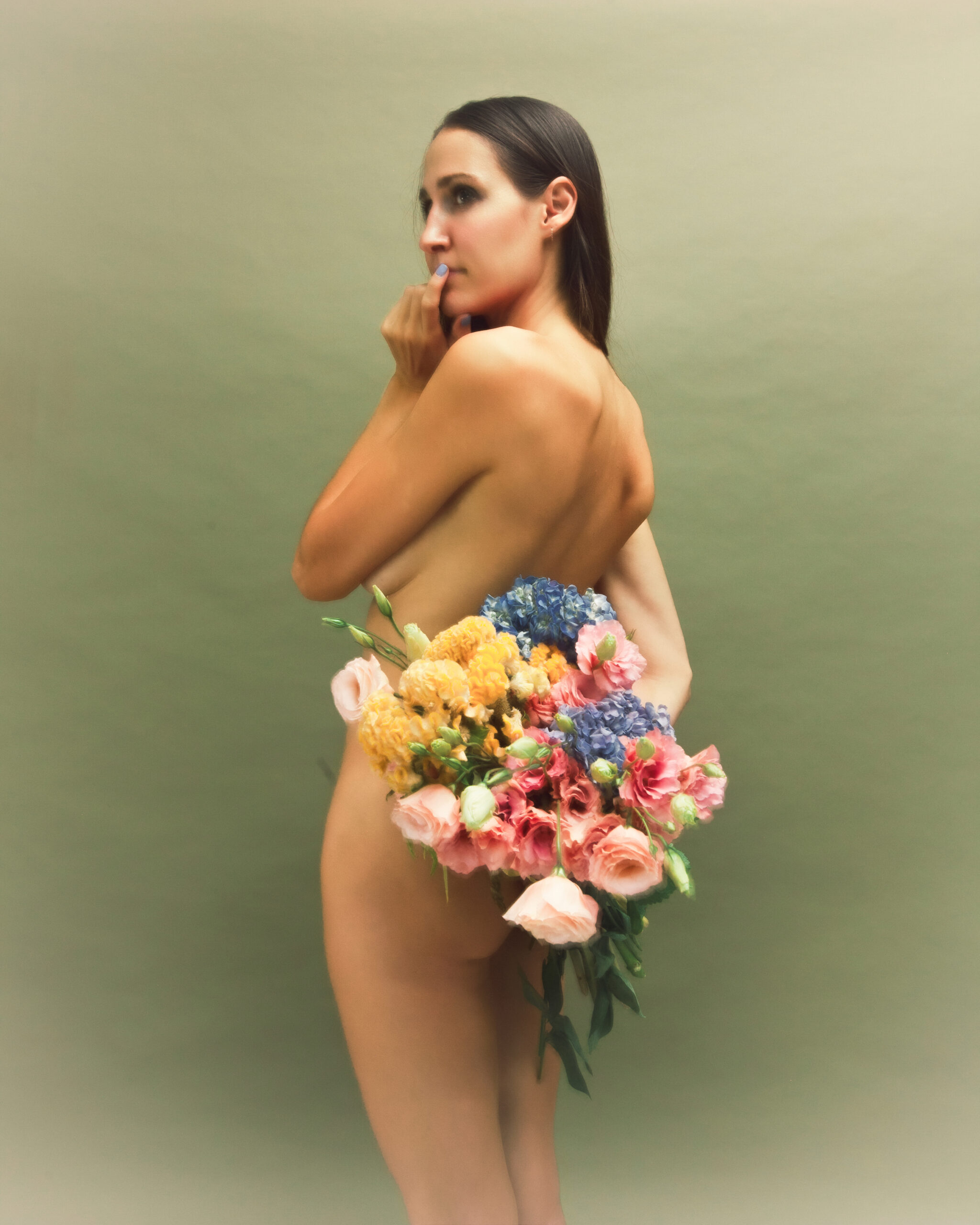

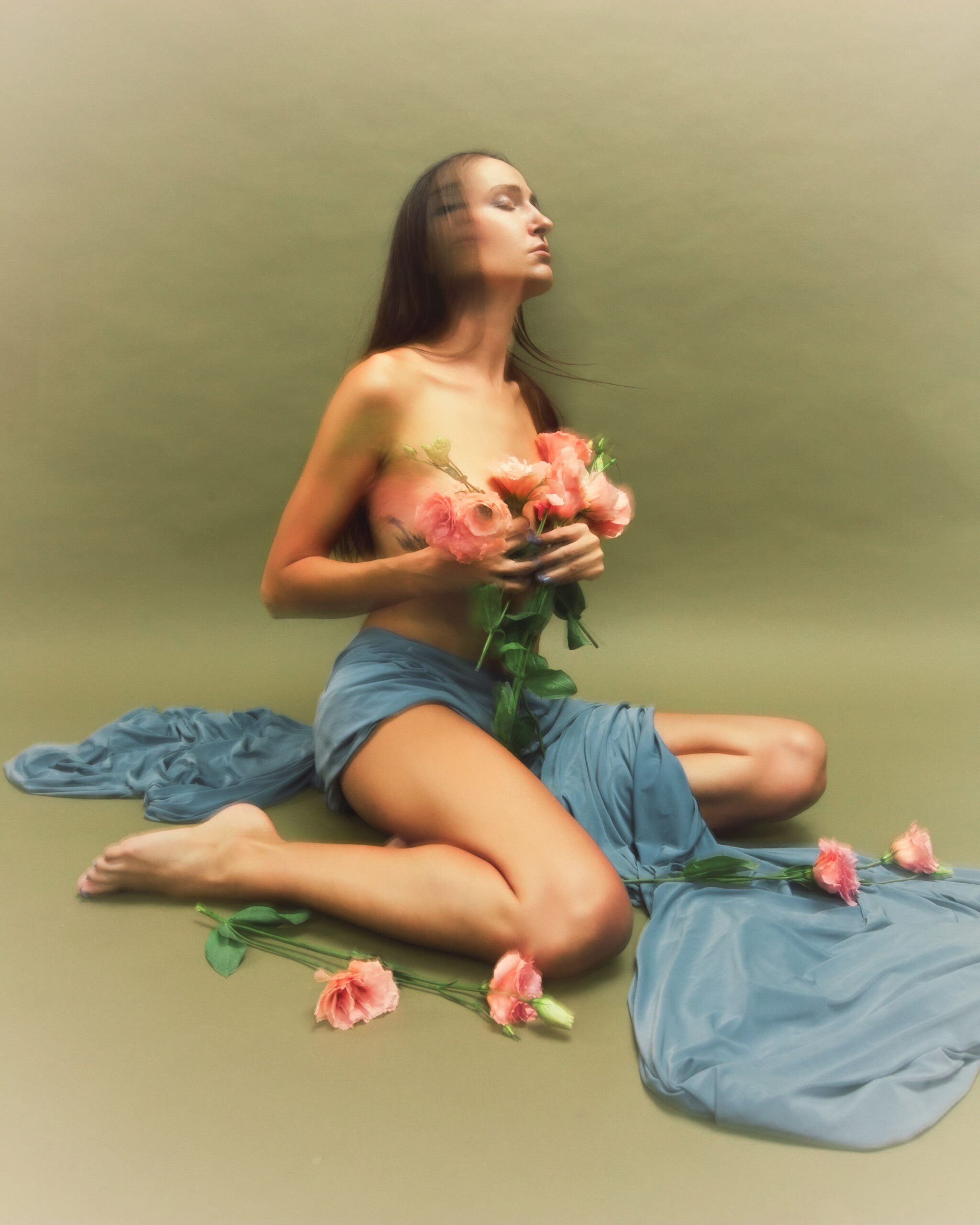

From your body of work that you’ve created so far, what is your favourite? I was looking through your Instagram and trying to choose one myself, and it’s quite difficult. There’s a lot of strong work there. But I’m interested in what you consider your favourite, also in terms of how you conceptualised it versus what the final output looked like.
Funny because for this interview I was already thinking you might ask what my favourite work is, and I don’t really have a clear answer for that. There are so many pieces I’ve made that I genuinely love.
But when I think about it more deeply, it’s not only about the final image and what it looks like. It’s also about the process behind it, and sometimes who I was working with at the time. Some of my favourite works are the ones where people have really allowed me to go into my imagination freely, and trusted me in the way I put things together, even when I’m still figuring things out technically, especially with lighting and studio setups. I wouldn’t say I’m highly technical in that sense, so there’s always a lot of experimenting and play involved.
The images that come to mind first are actually with my partner. He’s been my consistent muse in many ways. There’s a lot of synchronicity in how we see things from idea to final image. So from the beginning there’s already this mutual understanding and exchange that feeds into the work. On the cheesy side, It also becomes a piece of our love in visual form.
Another body of work I really love is with my friend Jennifer. She’s currently building her practice around somatic healing and sex therapy, and we created images together to support her process of showing up publicly. That work allowed me to explore a softer, more sensual language, but also to hold space for vulnerability, because that’s central to what she does. So it’s difficult for me to isolate one favourite, because so much of it is tied to relationships, trust, and the conditions under which the work was made, rather than just the image itself.
I’m interested to hear about the collective Children of Midas. Can you tell me what it is, and where you fit within the broader picture of it?
So with Children of Midas, it all really started when I met Mishaal Gangaram, the amazing photographer behind this editorial. We met in 2021 and became good friends. At the time, he was doing studio photography and I was more focused on outdoor/ natural light photography. He’s the one who essentially taught me how to work in a studio, and interestingly, ever since then I haven’t really gone back to shooting outdoors in the same way.
Through Mishaal, I also got to meet and become great friends with other talented people in the space; Lancian, Dayyaan, Monox, Skye — Kamo was already with me. We were all working separately, taking on jobs individually, but there was a bigger project that came up where we realised we could actually do this together.
We were still figuring out production at the time and how we wanted to go about it, but Kamo had more insight into that background so he helped guide us. More than anything, it was just a shared openness: we’re down, as long as we’re creating together. That’s really how it started.
As we continued working, we realised it wasn’t just about jobs but about building a collective space where we could create both individually and together, and bring ideas to life freely. At the time, Mishaal had access to a studio, lighting, and equipment, so we would gather there constantly, early mornings, late nights, sometimes even sleeping over, just creating. It was very fluid, very driven by making.
Eventually, we realised we needed a physical space we could all share and take responsibility for. We found a studio in Greenside through another friend, and that’s when it expanded into something more structured: a photography studio, an office, an exhibition space, and also a music space. From there, it became about not only creating work together, but also opening the space up to other creatives and figuring out how to sustain it; through brand work, collaborations, and monthly running costs. So it grew into both a creative and functional ecosystem.


Your go-to phrase is “many in body, one mind”. How does it look practically, maybe even just in how it functions day-to-day?
So “many in body, one in mind” comes from my background and upbringing in Buddhism; I practise Nichiren Buddhism. One of its core teachings is exactly that notion: many bodies, one collective goal – a unity in diversity. I also think it connects quite closely to African philosophies like Ubuntu.
For me, it speaks to the idea that real change is never individual – it takes a collective action because we live in a world that is collective. I mean it can definitely start with an individual, but everyone together carries it to actualisation. This can be seen very clearly in Children of Midas as well. It was a group of people, all coming from different spaces, with different skills, but aligned in energy and intention, and that allowed us to build something together.
Take it a step further, when we’re on set, there are so many different departments with many people, all working hard and together to making sure that we are able to produce a beautiful body of work that we can be proud at the end of the day – under safe conditions, with our bellies full and happy clients. .
It applies more broadly, even globally, whether that’s standing up against injustices, protecting & archiving indigenous knowledge, preserving culture or even simply a community rallying together to show up for someone. It’s a reminder that together there’s very little we cannot do, as long as there is alignment. I often think of it like those sardine fish moving in unison in the ocean, or the starling birds moving in formation; you see a single body moving, but it’s actually made up of many individual parts moving in sync. So it really comes down to a oneness and empathy.
ASICS is rooted in the philosophy of “a sound mind in a sound body.” What keeps you grounded mentally and in rhythm with your being.
What keeps me grounded and in rhythm with my being is definitely having pockets of introspection. My mind moves quite fast and I’m constantly shifting from one idea to another, so being able to pause, sit still, be present, and reflect is what helps me come back to myself.
I also lean quite a bit on my partner, and I’m really grateful for that. He allows me the time and space to recalibrate and evolve. My wider support system also plays a big role, especially my Buddhist community and practice, which anchors me a lot.
And lastly, I play a sport called Ultimate Frisbee, which has been surprisingly grounding for me. It requires presence, proactiveness, and self confidence – the latter being what I’m working on most in my broader life. Its great knowing theres a space away from the pressures of work where you can make mistakes, play, fall, feel nervous… and then, learn to pick yourself up, try again, lean of your team, cheer on your team as well as the opposing team, call out fouls and trust in your instincts.
It all reflects back into my life in a very real way.




And what are you currently consuming that has been inspiring you lately?
What I’m consuming right now really cuts across a few things. Music-wise, I’ve been listening a lot to Celeste. Her work sits in this really beautiful space that touches love, but also carries a slight melancholy to it. It’s quite immersive; it makes me feel like I’m kind of spinning emotionally, in a good way.
When creating and boiling it down to inspiration, I follow what resonates emotionally with me, and that becomes the starting point for whatever I create.
Visually, I’ve been following a lot of art directors and photographers whose works exists in the kind of space I also want to step into. People like Szilvester Makó, Yeyoung Choi, and Elizaveta Porodina. I’m really drawn to how Elizaveta plays with vivid colours and the way she distorts or reimagines reality. There’s something about how she constructs worlds that really lingers.
What I enjoy about Szilvester’s work is how much he leans into art direction and set design to carry the language of his photographs. I also follow the set designers he collaborates with quite closely, one of them being Edith Mond. They play with reality in such interesting ways: scale, proportion, and distortion. It’s almost like they’re constantly questioning what feels “real” in an image. He’s also behind work that many people might recognise through Rama Duwaji’s portraits.
Then there’s Poor Things that I look at from time to time, and the whole set design behind it. Shona Heath, one of the production designers, who had done an incredible job there. She works quite closely with Tim Walker, a photographer whose world-building leans heavily into the fantastical. I really consume Shona Heath’s work quite deeply; it’s just beautiful.
I’ve also been going into second hand bookstores and flipping through older National Geographic editions from the 90s into the 2000s. I’m drawn to those archival stories and articles, not just for the imagery but for the context as well. There’s so much we can learn from the past that connects to what is happening now. Even things like early conversations around pollution, or deep-sea mining, it’s interesting to see how long these warnings have existed, and how we’re only really grappling with it now. It makes me think about responsibility, and how we respond in the present moment with the knowledge that already exists.
Lastly, I just want to talk about love. You were raised in a space where you experienced love as encouraged freedom. With photography at your early stages, you were able to build on it because you had friends who loved you and contributed to that dream. And now you recently became a financé, and you speak of that relationship as a space where love functions as a sounding board, comfort, and point of growth.
Without me posing a question, I’d like you to tell me your reflections on love.
There’s this writing by Khalil Gibran on joy and sorrow which has always stayed with me and I think similarly applies to love. He speaks about how the capacity you have for joy is the same capacity you have for sorrow, and that the deeper the sorrow, the deeper your capacity for joy. I see love the same so I’ve learned to deepen my capacity for it. Love for my partner, for my mom, for my friends, my work. There’s so much joy in the kind of love that holds you safely, but also holds you accountable. It listens, and encourages you to do the things you’re most afraid of, knowing that it adds happiness to your life. Most importantly love sees you as you are.
This has shaped my work as well, which used to be driven by melancholy and nostalgia whereas now I’m fuelled by wonder and the support of the people around me, who encourage me to keep creating even through slumps. In turn, I try to show up for them through my work, and contribute to their own creative journeys.
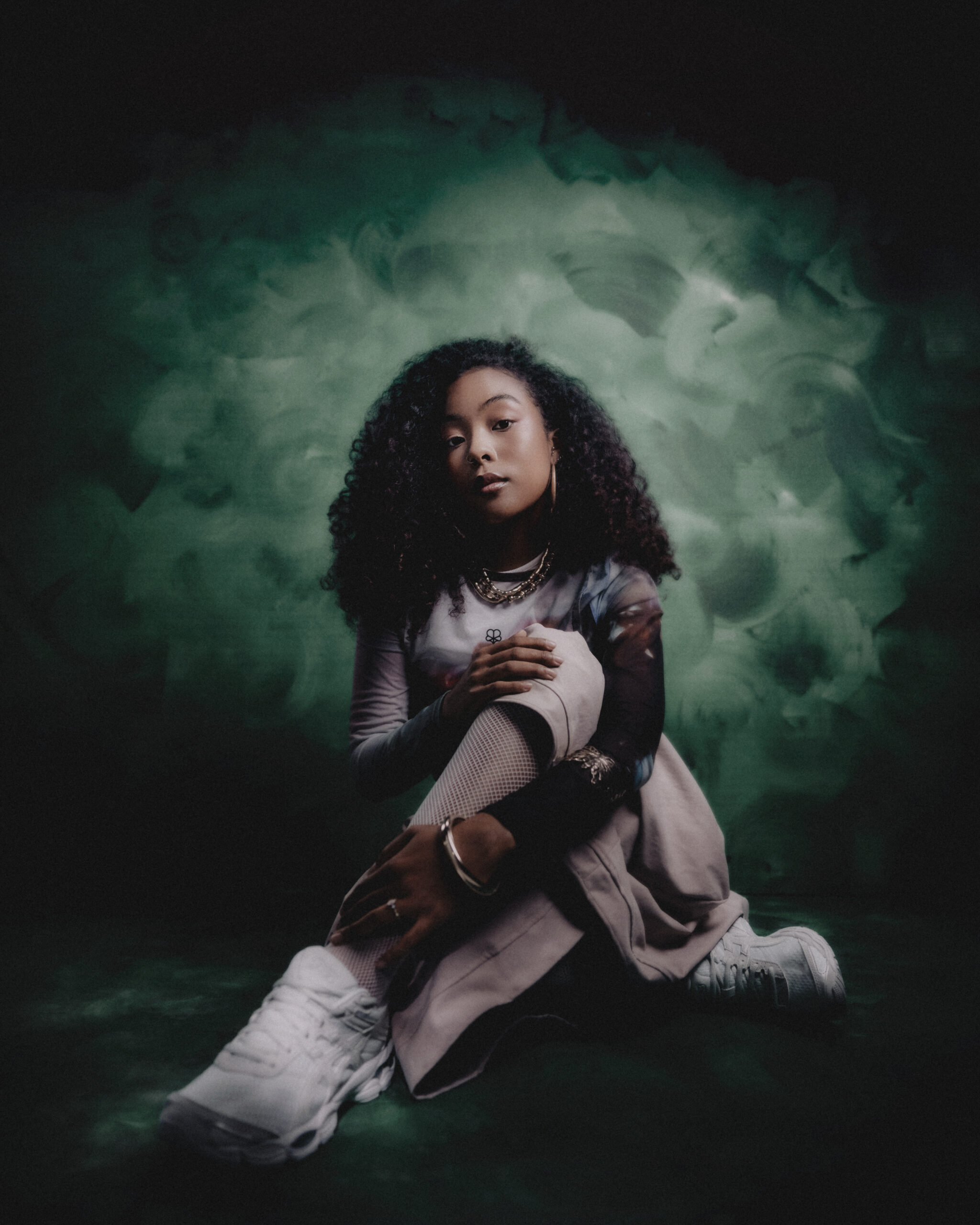
“Photography is always about attention, and attention is a form of love.“
