The iQHAWE Fashion Dossier: Luxury in Focus: African Brands
African luxury fashion has undergone a significant transformation over the past decade, marked by increased local visibility and expanded modes of accessibility that are actively reshaping how value is constructed and understood on the continent. This shift is underpinned by the critical reinterpretation of traditional African visual languages, particularly textile practices and print into contemporary design expressions.
Thisweek’s dossier highlights MaXhosa Africa and R’Frique, two brands advancing this movement in distinct ways.
African luxury fashion has undergone a significant transformation over the past decade, marked by increased local visibility and expanded modes of accessibility that are actively reshaping how value is constructed and understood on the continent. This shift is underpinned by the critical reinterpretation of traditional African visual languages, particularly textile practices and print into contemporary design expressions.
Thisweek’s dossier highlights MaXhosa Africa and R’Frique, two brands advancing this movement in distinct ways.
R’Frique Reimagining Access to African luxury
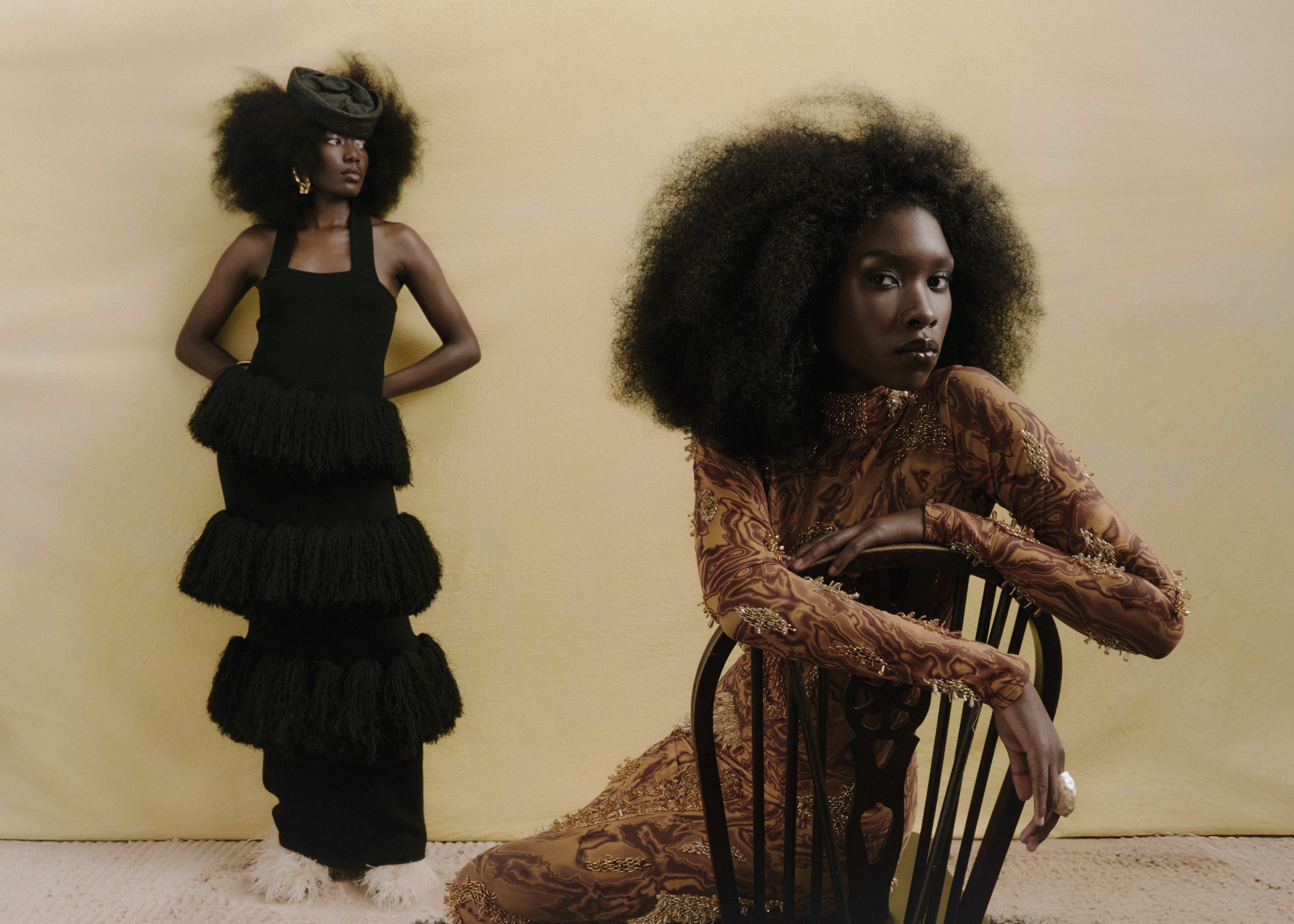
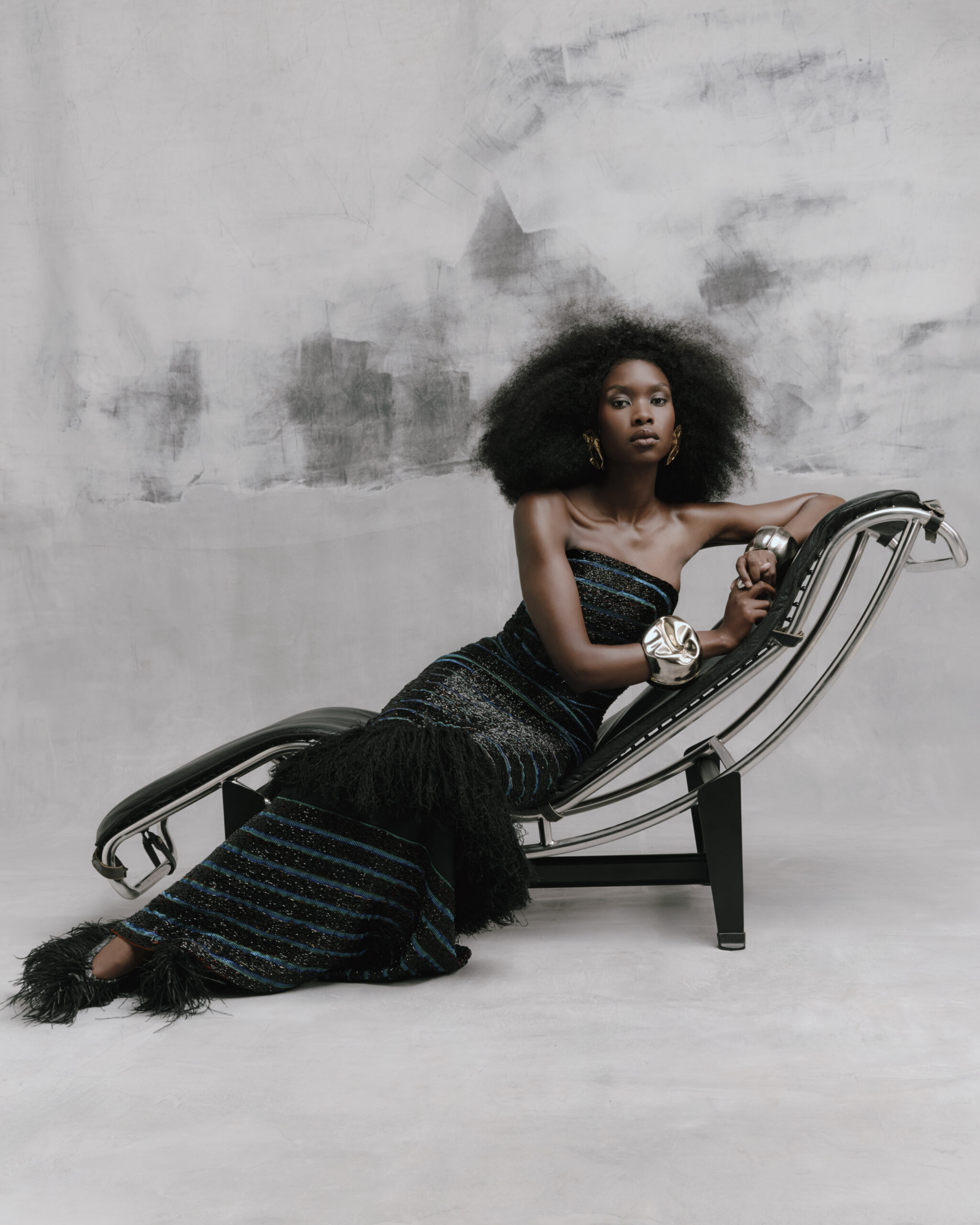
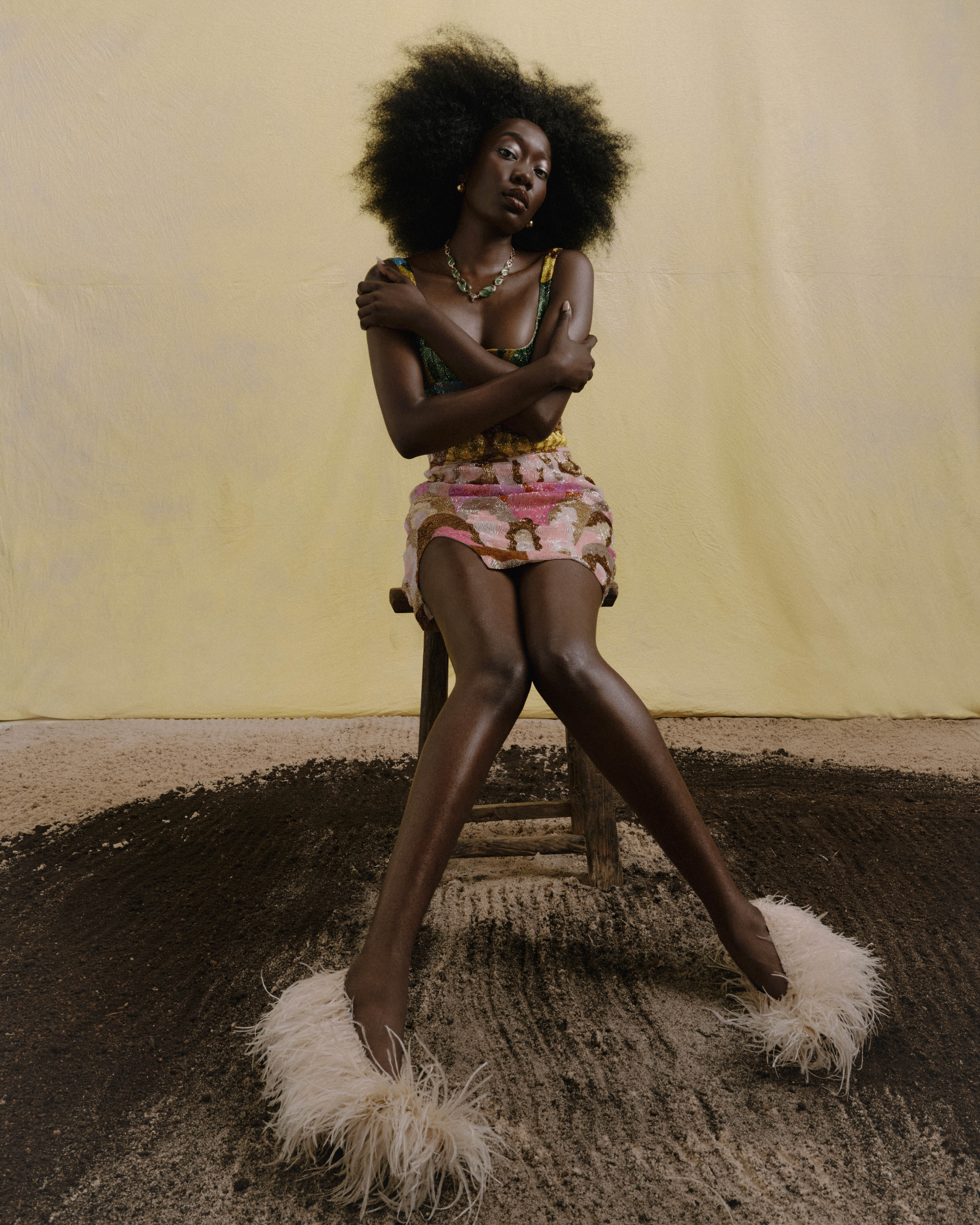
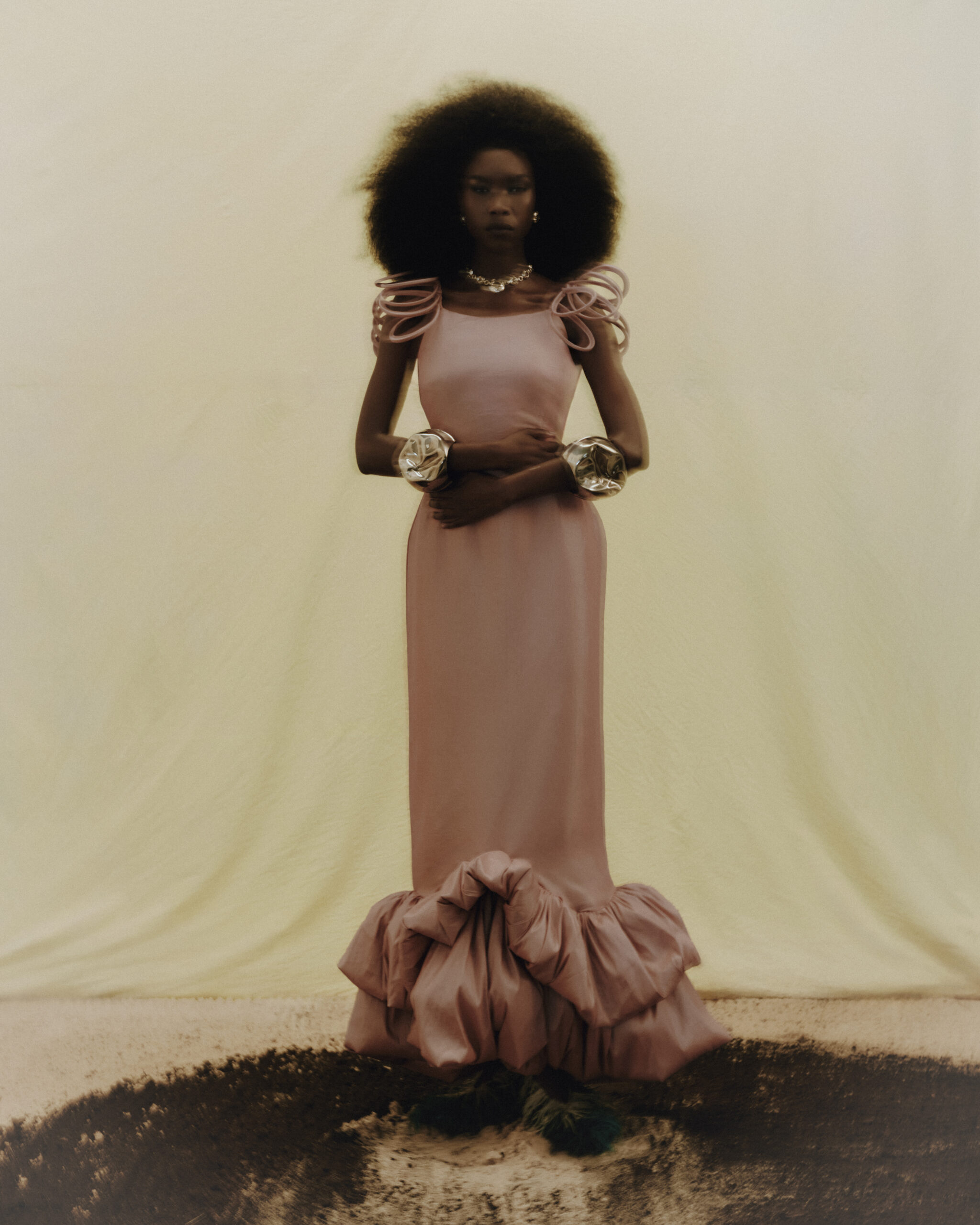
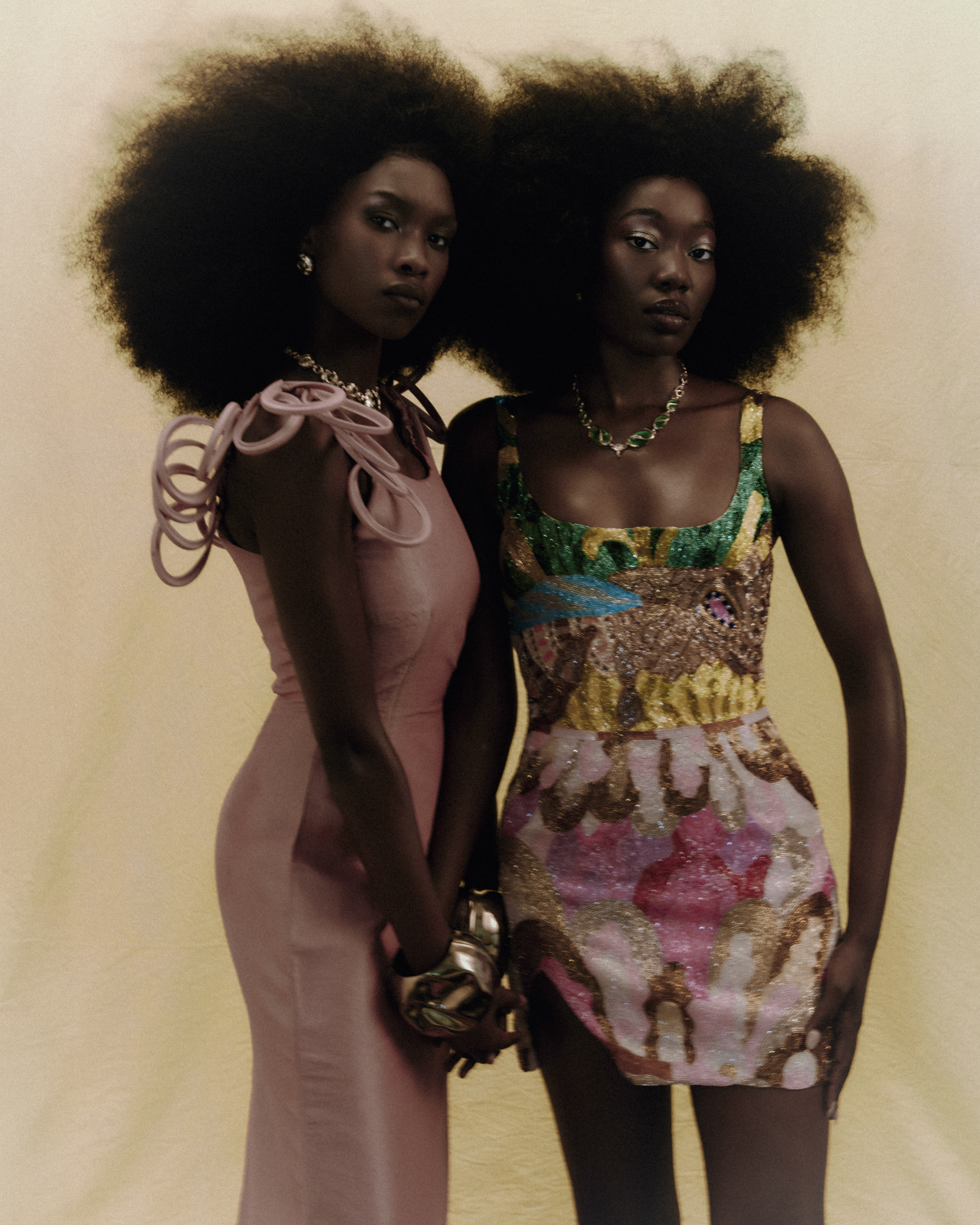
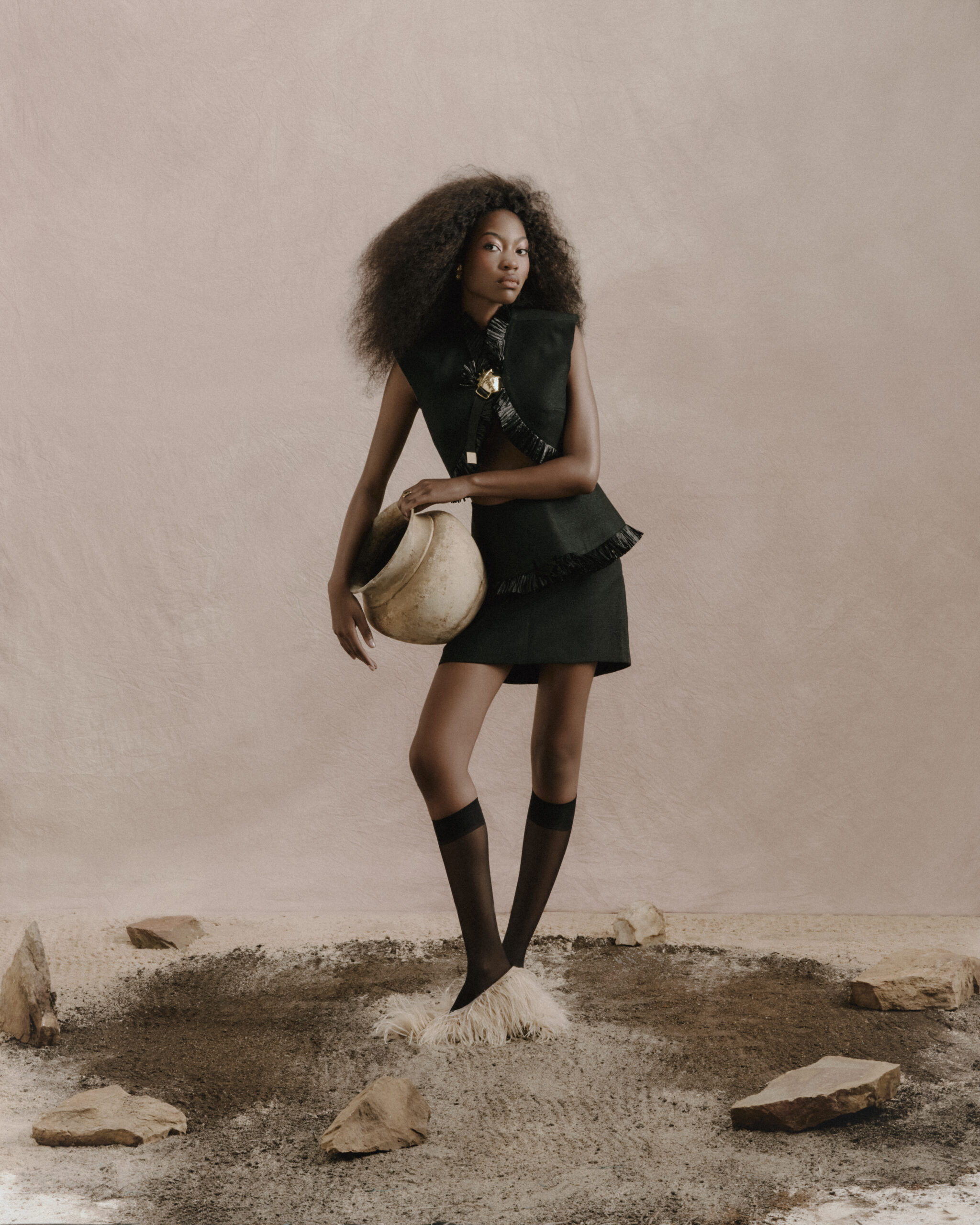
R’Frique reimagines access to African luxury through its rental model. Founded by Ceejay Ndlovu and Lebi Barfour-Osei, the platform has, within a year, introduced South African audiences to a curated network of designers while promoting circular fashion. Its first concept store in Johannesburg and the launch of Collection II, featuring designers such as Loza Maleombho, Onalaja, and Asante Akua mark a shift toward a hybrid model of rental and retail.
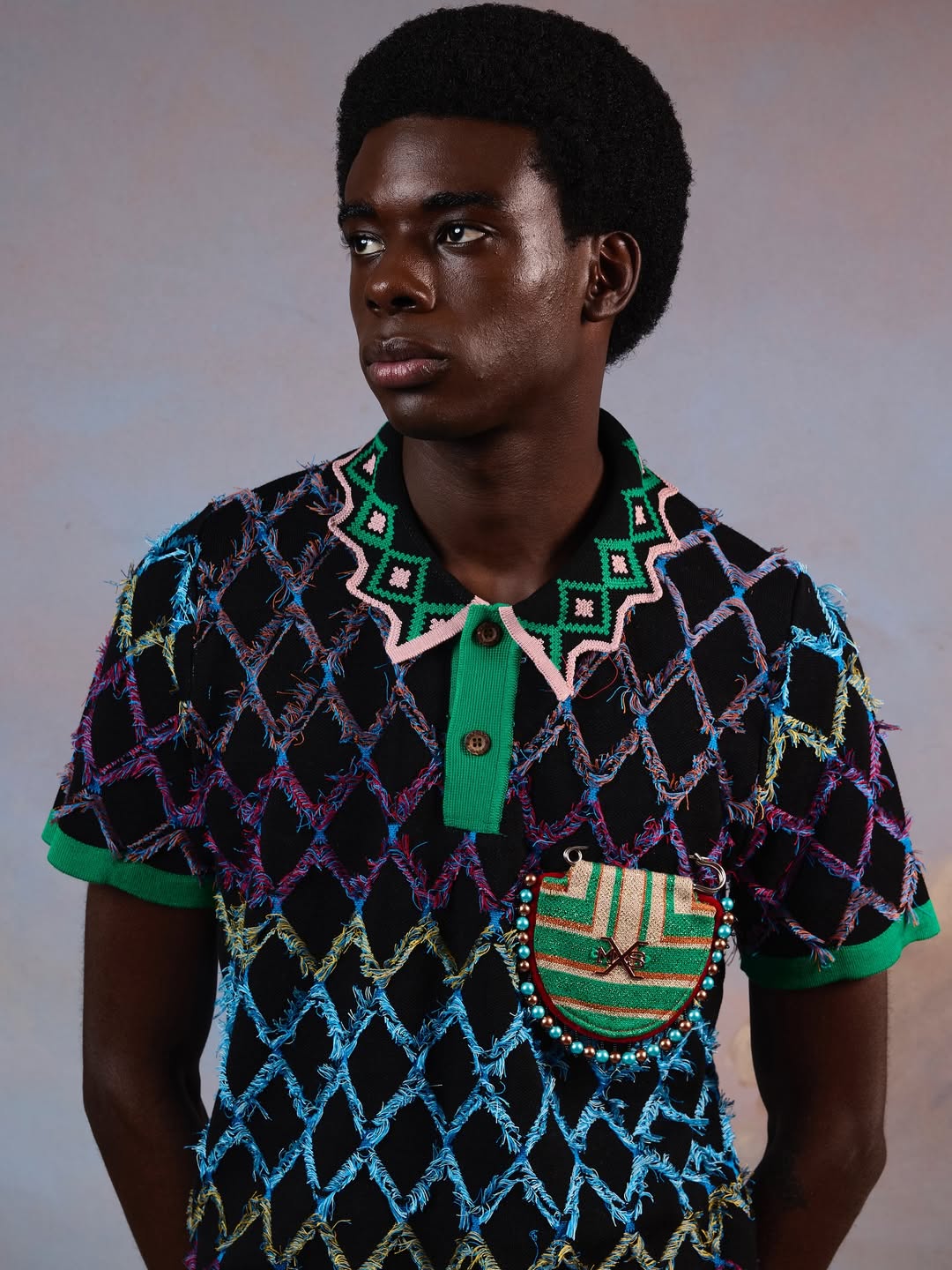
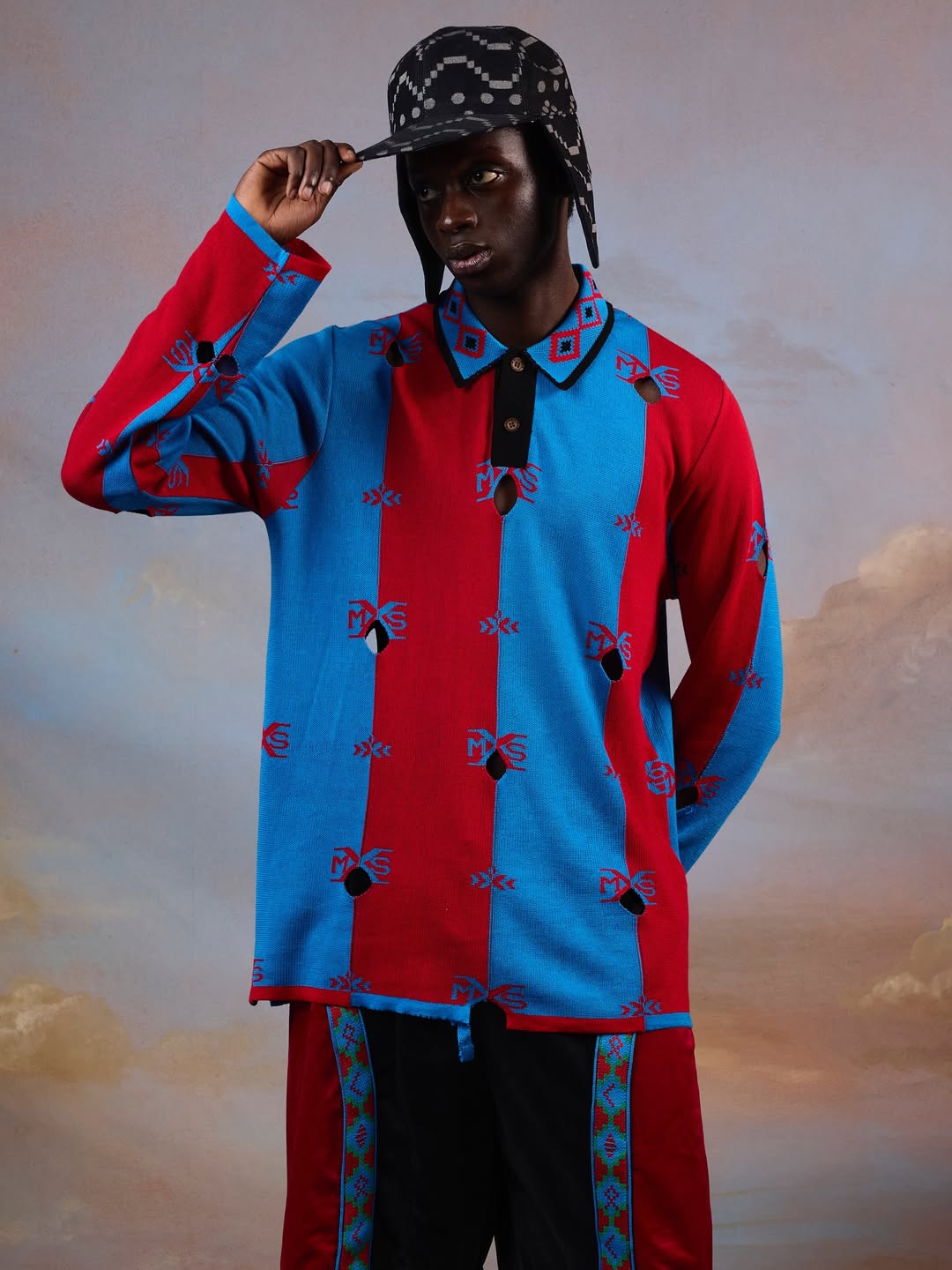
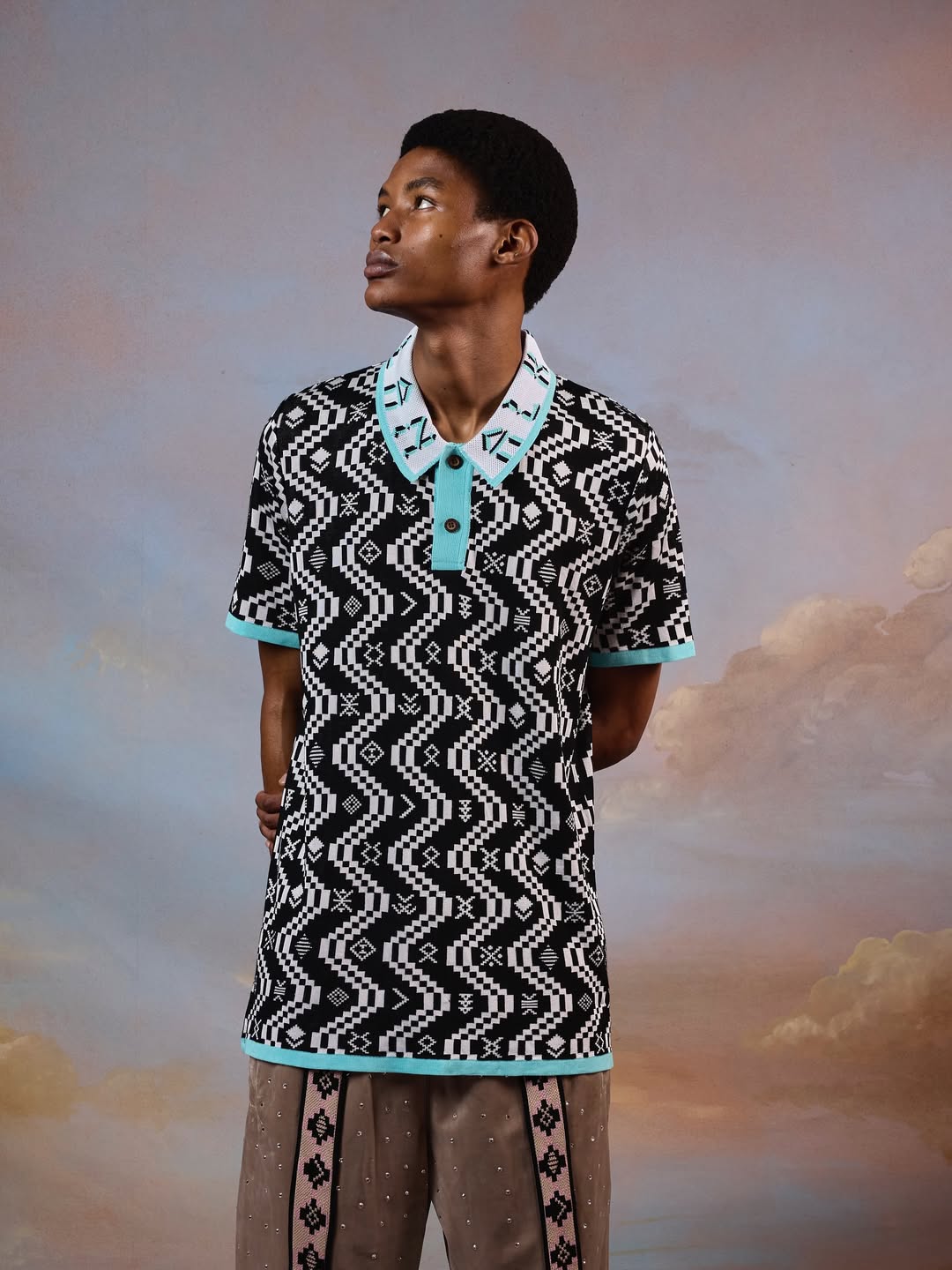
MaXhosa Africa continues to play a critical role in cultural storytelling through design. Its Fall/Winter 2026 collection, “Siyi-Kulture,” presented at Paris Fashion Week, expands beyond Xhosa references to include Zulu, Pedi, Tsonga, and Swati influences.The contemporary controversies surrounding MaXhosa Africa warrant critical consideration; however, the brand’s continued attention to material detail, evident in its use of grommet embellishments, remains a compelling aspect of its design practice.
Together, these brands reflect two key trajectories in African luxury: cultural reframing and systemic accessibility through different yet equally important ways.
iQHAWE Magazine is centered on celebrating and representing emerging creative communities while also closing the divide between emerging creatives and their respective industries.