Who Gets Remembered: Art Villain

Khabazela Art Villain Mahlangu, is at his core, a storyteller, one shaped by the textures of Alexandra, where life unfolds in layers and nothing exists without context. Speaking to him, it becomes clear that photography was never a decision, but a return rooted in both environment and lineage, with a father who quietly documented the world before him.
His practice moves between still and motion, but the intention remains the same: to preserve. There’s a consciousness in how he understands the weight of the lens, the knowing that to capture is to shape memory, and that sometimes, to do so, you have to step outside of the moment itself. Through travel, through introspection, through building platforms like OFFGRID, his work continues to ask a deeper question: not just what does it look like, but what does it mean to remember this time at all.
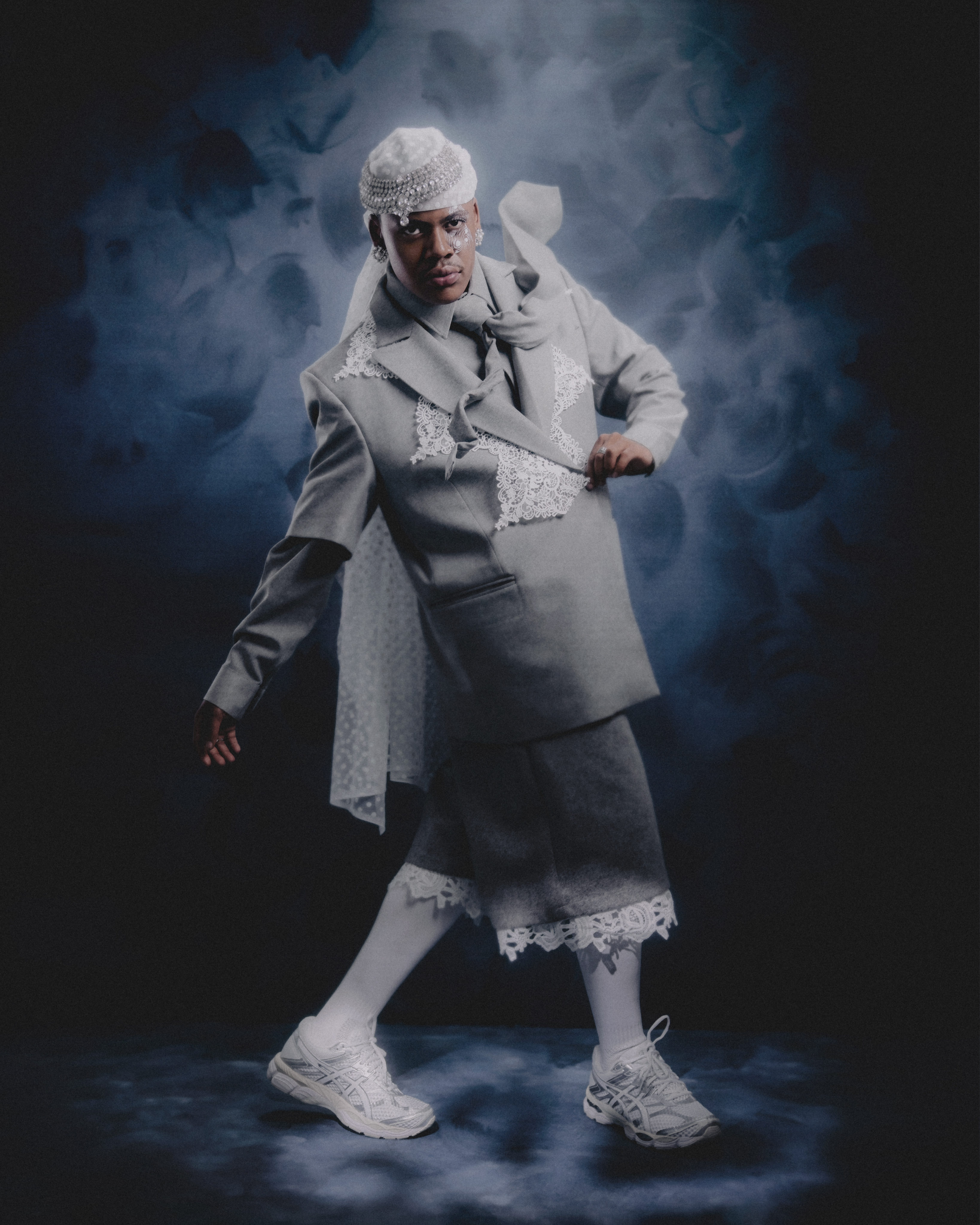
I want to take you back to the beginning. What shaped your eye growing up, and how did your environment influence the way you see and document the world?
I think, more than anything, growing up in Alex really shaped me. You’re surrounded by so many things happening all the time, so many stories that you can take and turn into something. That environment naturally pushed me to become a storyteller.
At the same time, I was also exposed to different worlds, being in the suburbs versus being at home in Alex. That contrast made me more aware, like, “this is different from what I know.” It pushed me to observe more, and to tell stories in an organic way. When I later reflected on myself, it all started to connect. My dad was a photographer, and it made sense why I was drawn to this. He was more of a documentary-style photographer, almost like a journalist, shooting kids in the hood, capturing what was happening in his time. So storytelling has always been around me, even before I understood it.
Before Art Villain became a name, what moments pushed you toward photography—and when did it begin to feel like purpose rather than practice? And how did film direction come into that journey?
It was very gradual. I’ve always been an artistic kid from as early as six years old. So it wasn’t like there was a switch where I suddenly decided, “this is my purpose.” It always felt like something that was just a part of me. Around 14 or 15, I started experimenting more seriously with photography, but even then it still felt like a hobby, something I enjoyed rather than something I was choosing as a career. Over time, I realised that the core thing for me was storytelling.
Photography was just the medium I had access to at the time. So I didn’t want to limit myself to it. That’s when I started moving into film, because motion allowed me to express stories in a more immersive way. Film wasn’t a separate decision, it was just an extension of the same intention: to tell stories in the best way possible.
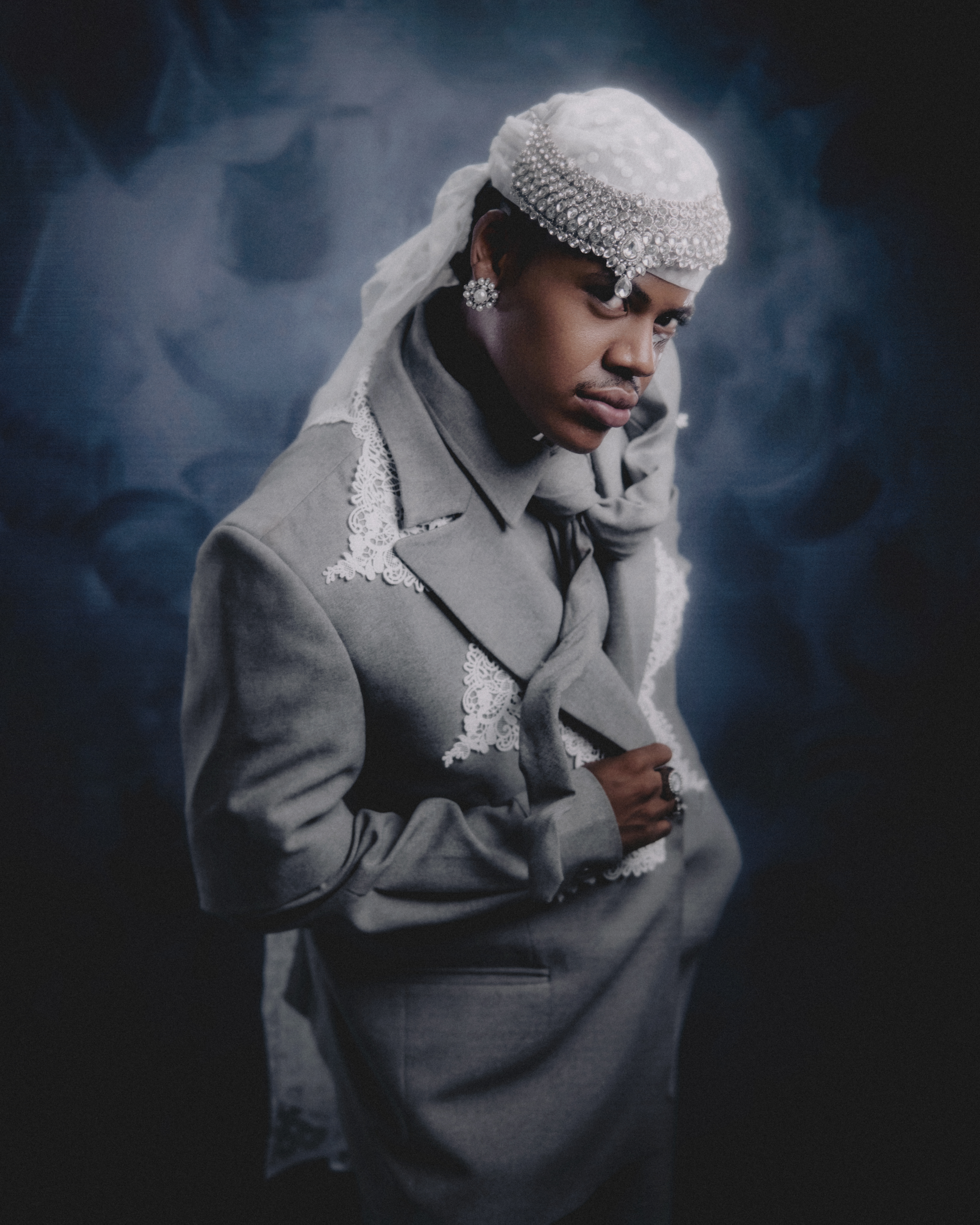
There’s a quiet power in deciding what gets seen and what doesn’t. How do you approach authorship, knowing your work can shape how a generation remembers culture?
It’s always tricky, because you realise that you’re shaping the narrative. There’s a fine line between expressing how you feel and also thinking about how the work will be received.
What guides me is how I feel in the moment but I’ve also learned not to be too selfish about it. Because what I like today, I might feel differently about tomorrow.
I’ve also had to accept that there’s sacrifice in this work. A lot of the time, I have to choose between living in the moment and capturing it. I could easily just experience things for myself, but then the story wouldn’t exist for anyone else.
So I’ve learned that it’s not always about me. Sometimes it’s about preserving something bigger than myself.
Your work has taken you across the world. In those moments of movement and assignment, how has your practice evolved—and what has that journey taught and returned to you?
That journey has been beautiful. It’s shaped my visual palette and also my identity. When you travel, people ask you questions about yourself and where you’re from, and you realise you don’t always have those answers. So it forces you to do introspection and really understand who you are.
Each place gave me something different. The US showed me the highest level of industry. Nigeria reminded me how much we share as Africans. Europe made art history feel real, I could finally understand the context behind artists like Da Vinci and Michelangelo. It all felt full circle, especially because I’ve always been a student of art. Traveling helped me piece everything together and understand what I represent as a South African creative.
Your name, Art Villain, carries tension. What drew you to that identity, and what are you disrupting through it?
Honestly, I was young around 13 or 14. But I was really into Marvel, and that influenced me a lot. It was about choosing an identity. In those worlds, everyone represents something, if you’re not a hero, then you’re something else. So I chose to be a villain, but more in a figurative sense.
As I’ve grown, I see it more as choosing to move differently. Instead of following the same narrative as everyone else, I wanted to approach things from another angle. It’s about being different, thinking differently, and not being boxed into what’s expected.
What was the intention behind creating OFFGRID, and what gap were you responding to? How do you and your team approach ideas and briefs?
OFFGRID came from wanting to give back and pass the torch. When I entered the space, it wasn’t as community-driven as it is now. There wasn’t really guidance or mentorship. And personally, I also didn’t grow up with a strong father figure, so I didn’t have that kind of direction in life either.
So OFFGRID is about filling that gap for myself and for others. It’s about creating a space where people can learn, be guided, and grow within the creative industry. It’s less about me and more about building something that supports the next person.
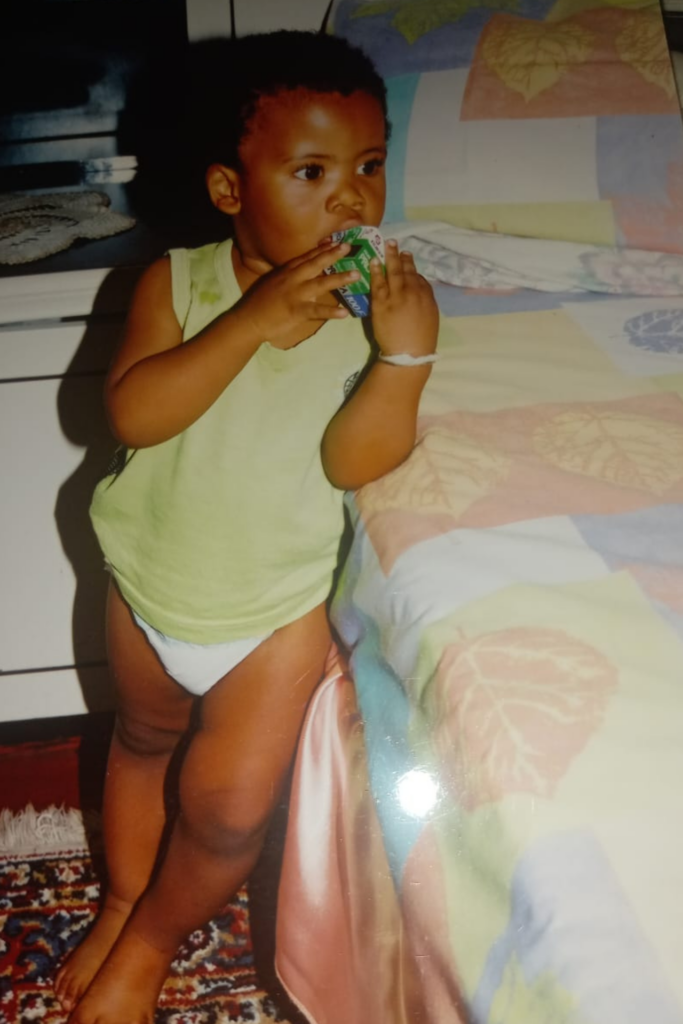
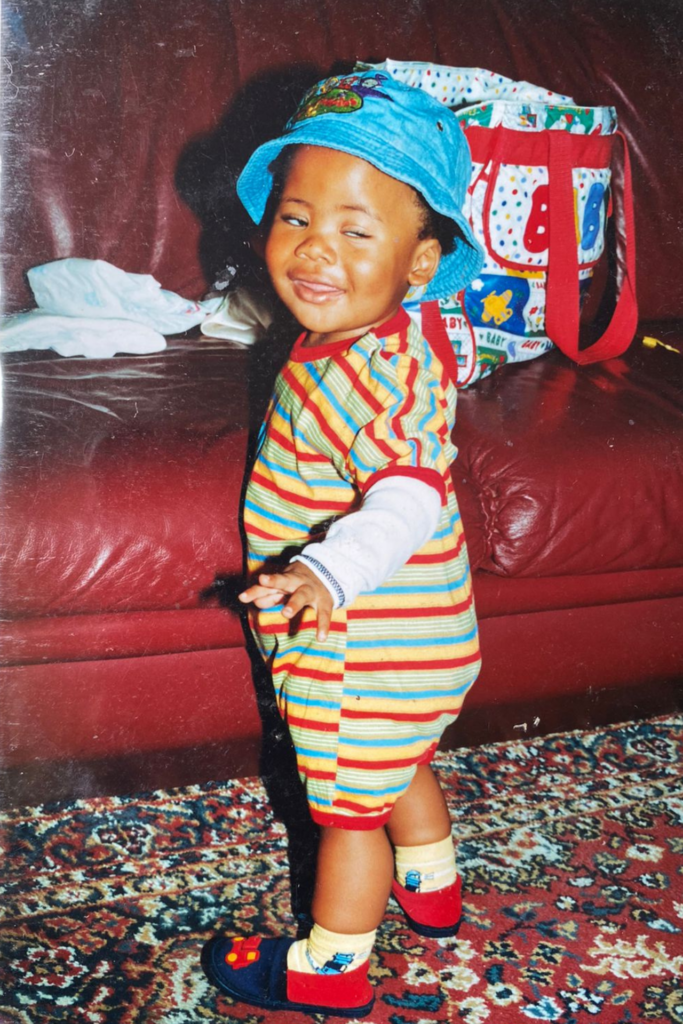
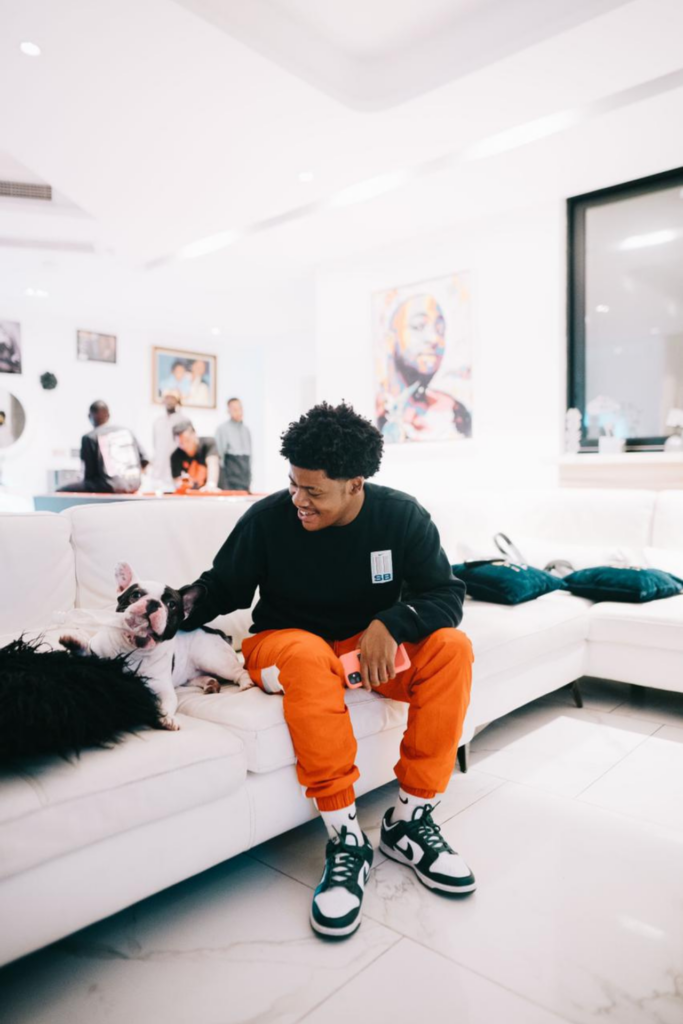
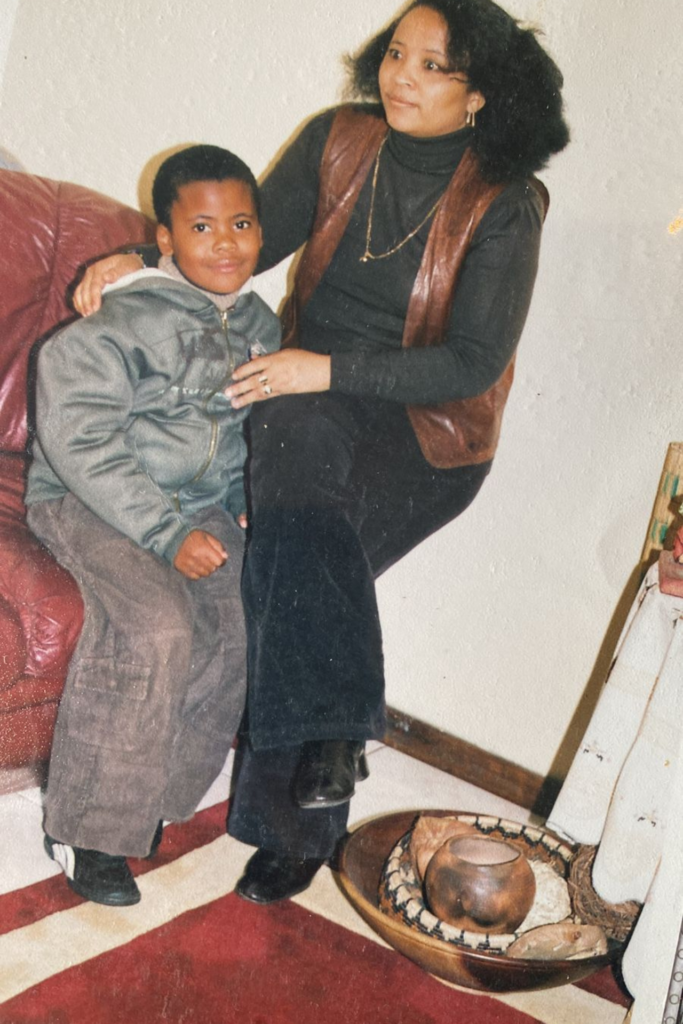
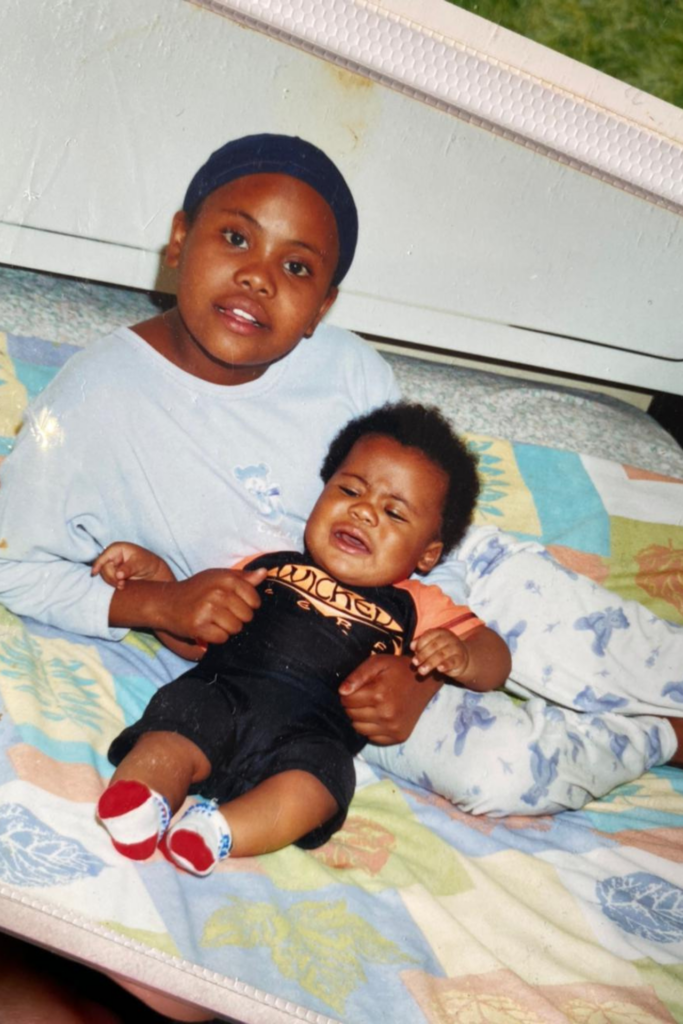
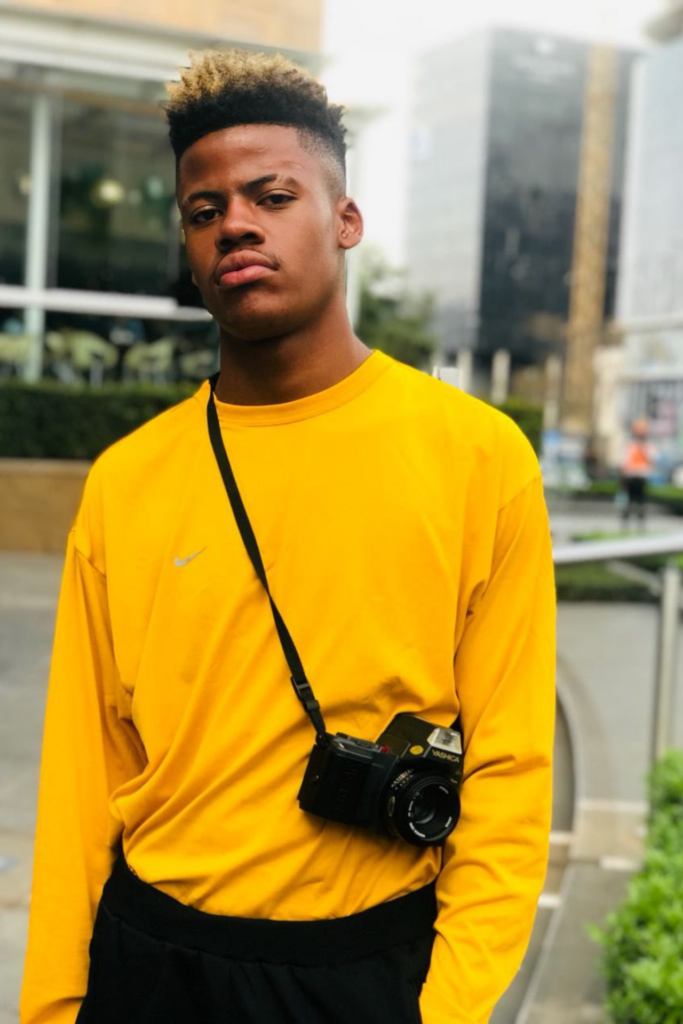
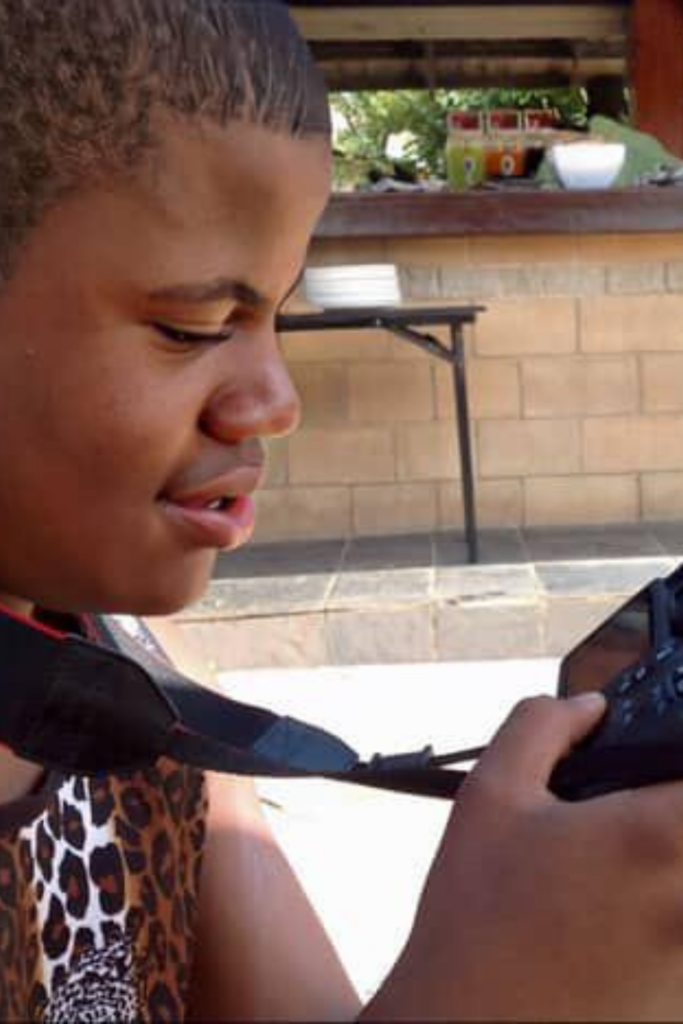
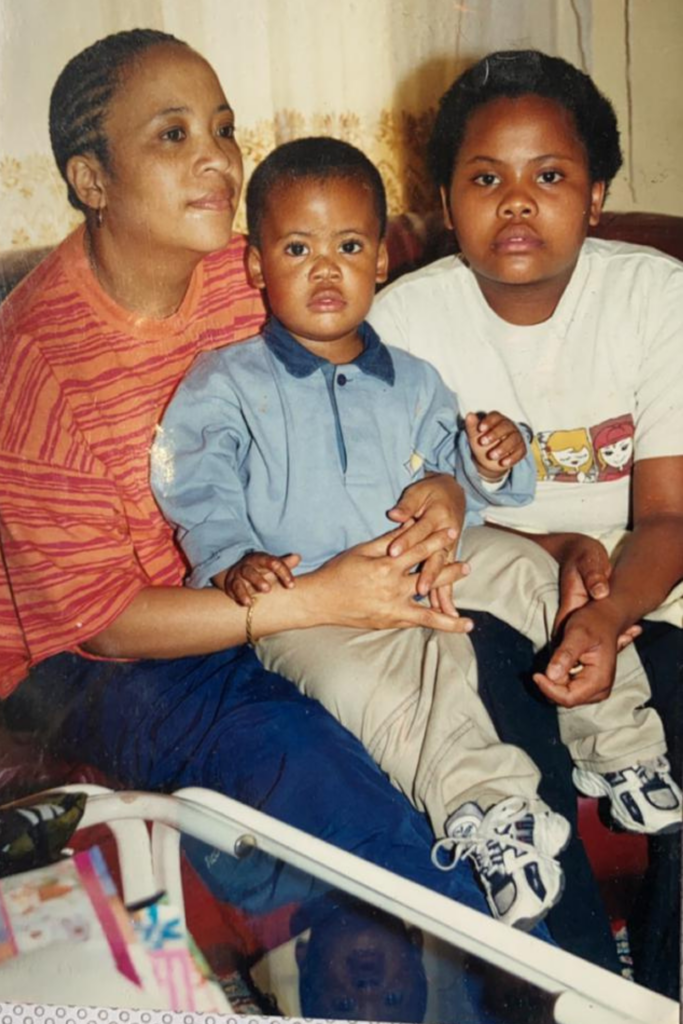


ASICS speaks to “a sound mind in a sound body.” How do you stay mentally and physically aligned in your creative process?
I’ve realised that having a hobby is just as important as having a career. I’ve always naturally stepped away from my creative work to do other things, whether it’s being active, playing sports, or just exploring different interests. I grew up playing soccer, and even now I stay active.
It helps me reset. As a creative, you can’t always be in that space of creating. You need time to step away and just exist outside of it.
If your work is about constructing memory, what do you hope lasts? What do you want your images to preserve about this era?
I want people to look back at my work the same way we look at past art movements, like the Renaissance and understand what was happening during that time.
I want them to feel the energy of this era, to see how people were living, what was going on culturally, politically everything.
For me, it’s about preserving moments so that people in the future can understand why things are the way they are now.
I’m also a student of history, so I know that a lot of what we think is new has already existed before. I want my work to reflect that, to show that everything is connected, and that as artists, we’re always building on what came before.

“I was never the biggest socialite, so photography became that bridge for me; a vessel to facilitate that connection with people.“
