Kenyan photographer and multidisciplinary artist Rogers Ouma moves between documentary, fashion, portraiture and fine art, building images that are as concerned with environment, identity and movement as they are with the person standing in front of his camera.
Born in Nairobi and shaped by time spent between the city and Kisumu, Roger’s entry into photography began through curiosity rather than convention. What followed was an early career documenting stories across the African continent, an evolving relationship with black-and-white photography and, most recently, a growing interest in presenting photography beyond the screen through exhibitions.
Following his first African solo exhibition, Mtume Mjini , A Messenger in the City, When speaking to Rogers about growing up in Kenya, learning photography through practice, finding his visual language, resisting conventional commercial photography, I settled on an inspiring piece of information that he creates work that deserves to be studied for generations to come.
Tell us a little about yourself. Where did you grow up, and what kind of environment shaped you creatively?
My name is Rogers Ouma. I was born and raised in Kayole, on the east side of Nairobi, what you might call a township in South Africa, but what we would call a ghetto. I also spent part of my childhood in Kisumu, living with my grandmother so I could learn my language properly.
After high school, I received three scholarships to pursue more conventional careers, including engineering, but none felt right. I was meant to study in India, but on a trip from Kisumu to Nairobi, I changed my mind and decided to study media and communication instead.
Growing up in the ghetto shaped me, but I knew I wanted to change my circumstances on my own terms. At 17, I went to university in one of Nairobi’s more affluent neighbourhoods. I remember thinking, How can I leave that side and exist on this side?
At university, I taught myself photography and film through YouTube. Eventually, Africa24 Media (Camerapix by renowned photojournalist Mohammed Amin) moved onto campus and recruited students to work with them. I began as an intern photographer and soon joined full-time while still studying.
That experience opened doors for me to travel across Africa, shooting documentaries and feature stories for platforms including Reuters, BBC, CNN and CGTN and major NGO’s. That’s really where the documentary language in my practice comes from.
Your work often sits between documentary photography and fashion portraiture. How do you decide how much of an image should be observed versus constructed, and where does that line become interesting for you?
Even in documentary work, I always knew how I wanted things to look. At Africa24 Media, I was constantly finding ways to make stories feel less “newsy” and more visually distinct.
That’s probably where the experimentation started for me. Even when I’m documenting something, I’m still thinking about how I want to tell the story and how I want the image to feel. I don’t necessarily see myself as only a fashion portraiture photographer. The documentary way of thinking is still there. It’s just evolved into something more contemporary and, sometimes, closer to fine art
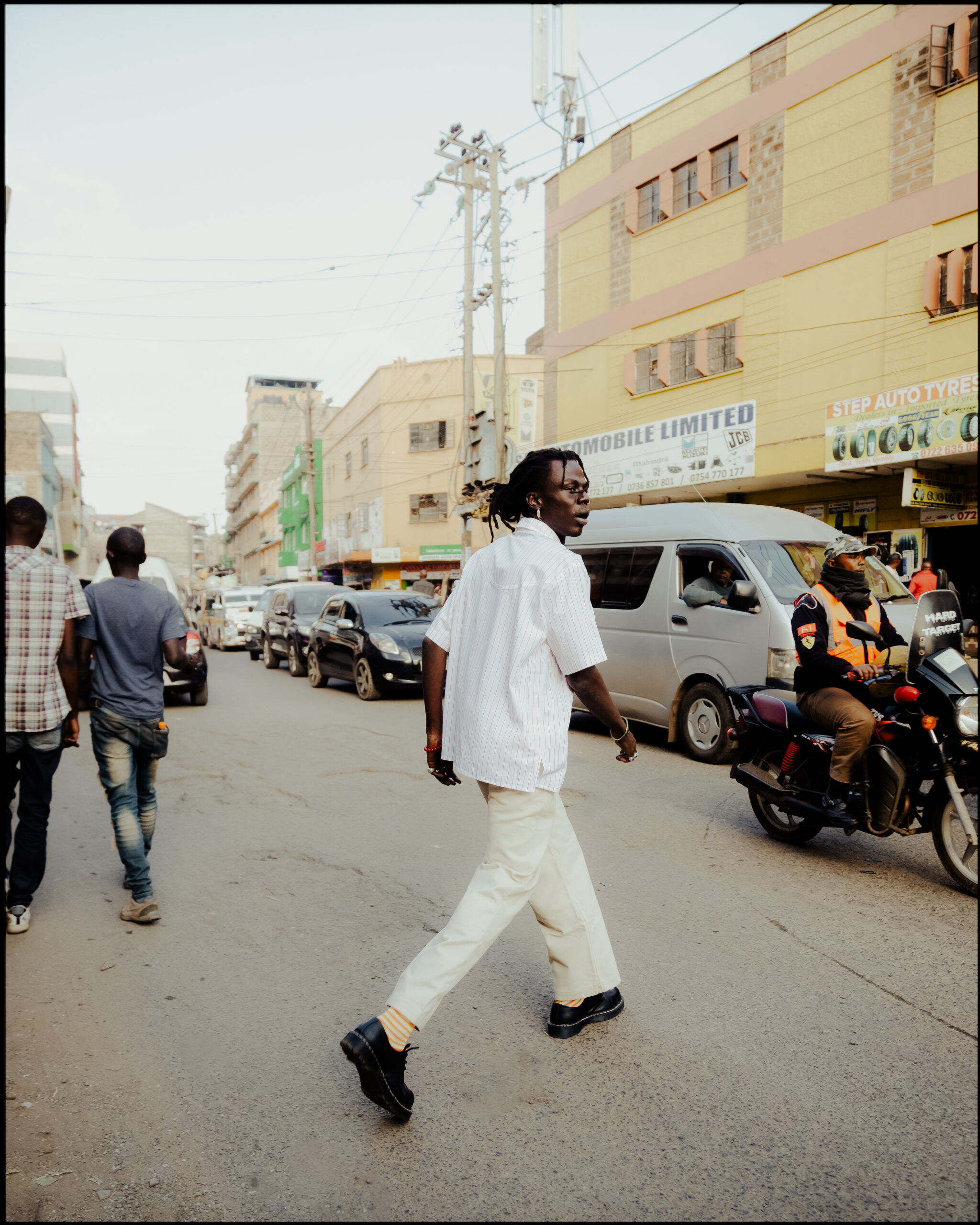
There's a very particular relationship between your subjects and their environments. Architecture, landscape, interiors and everyday spaces become part of the portrait rather than simply a backdrop. How do you choose a location, and what do you want it to reveal about the person you're photographing?
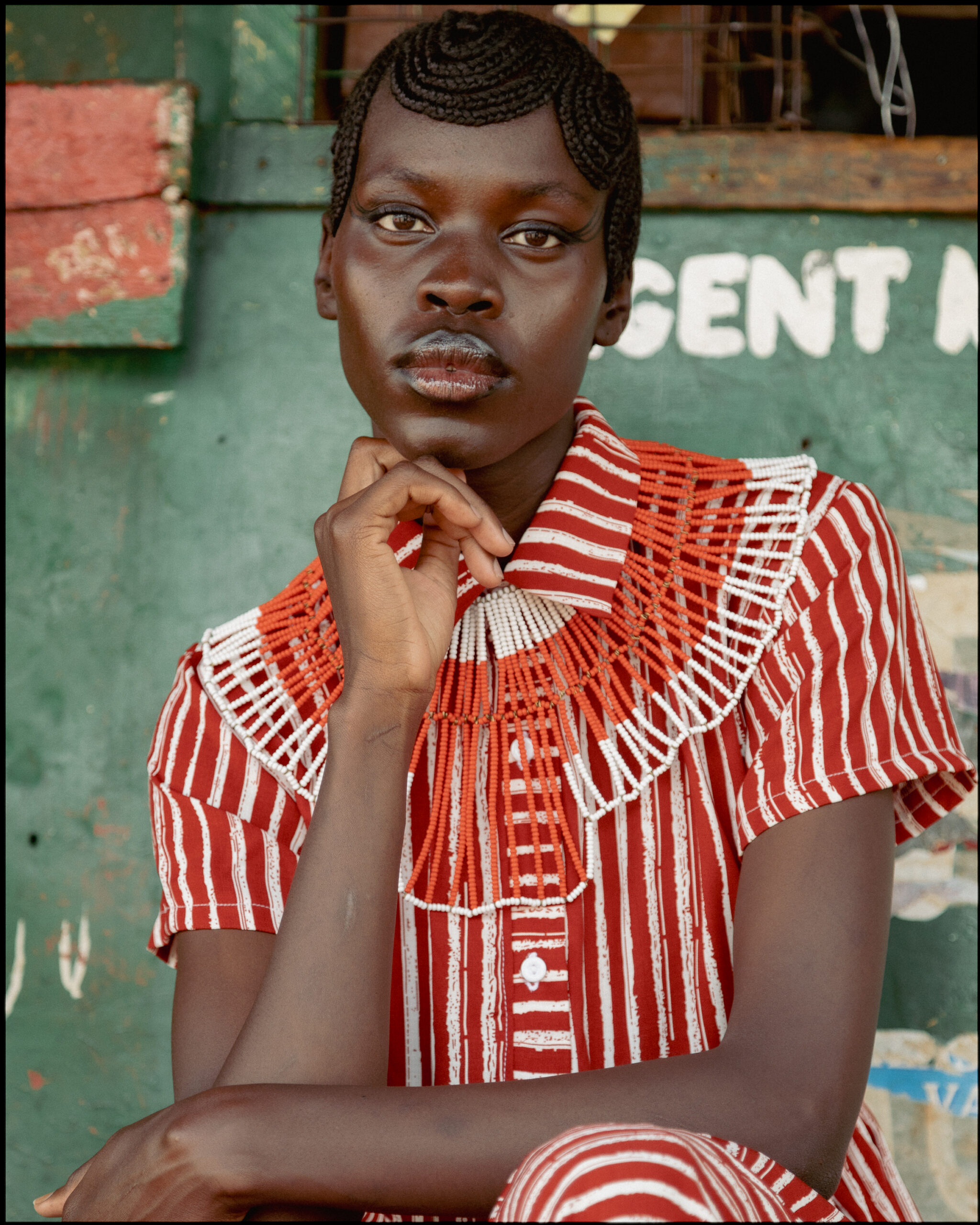
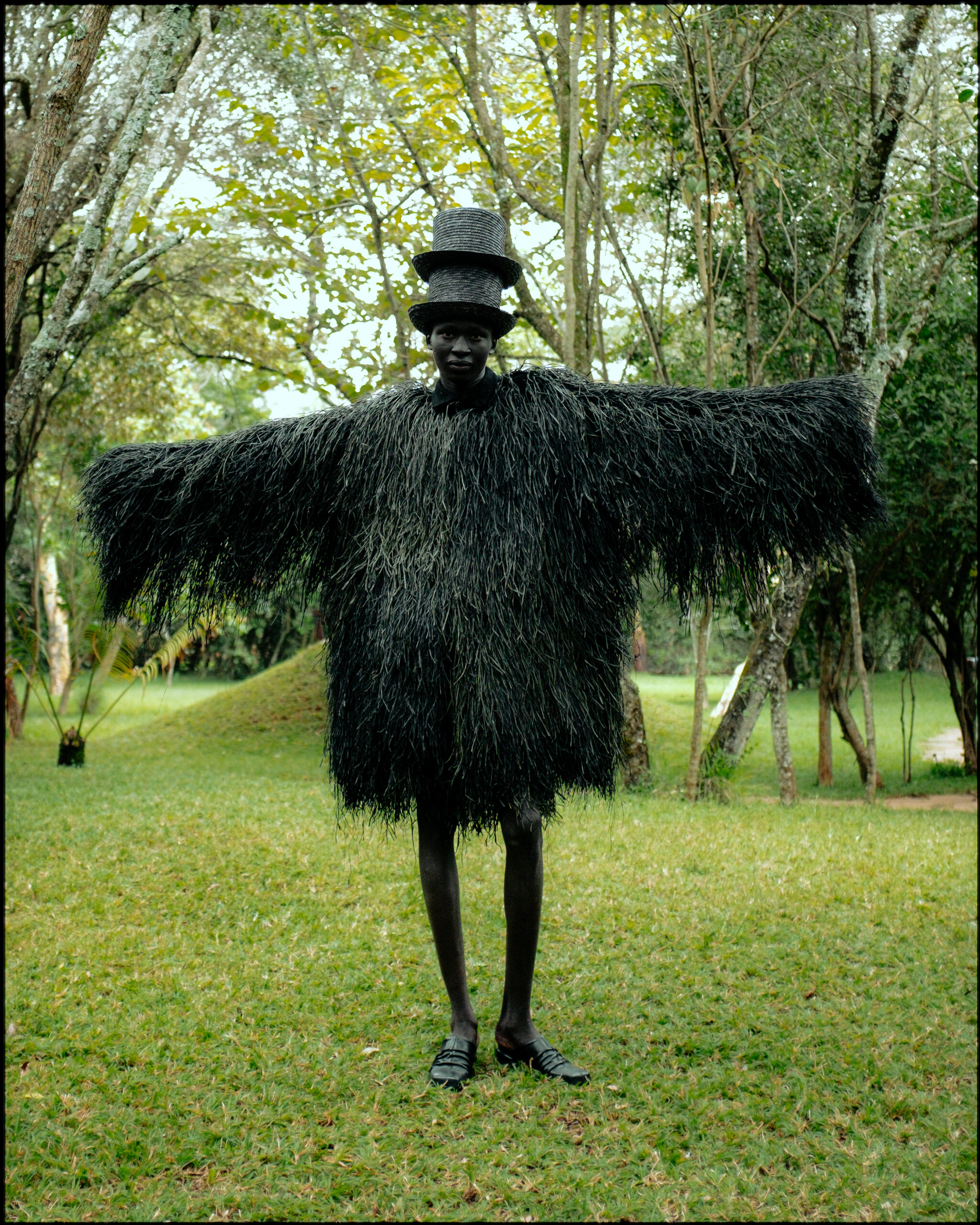
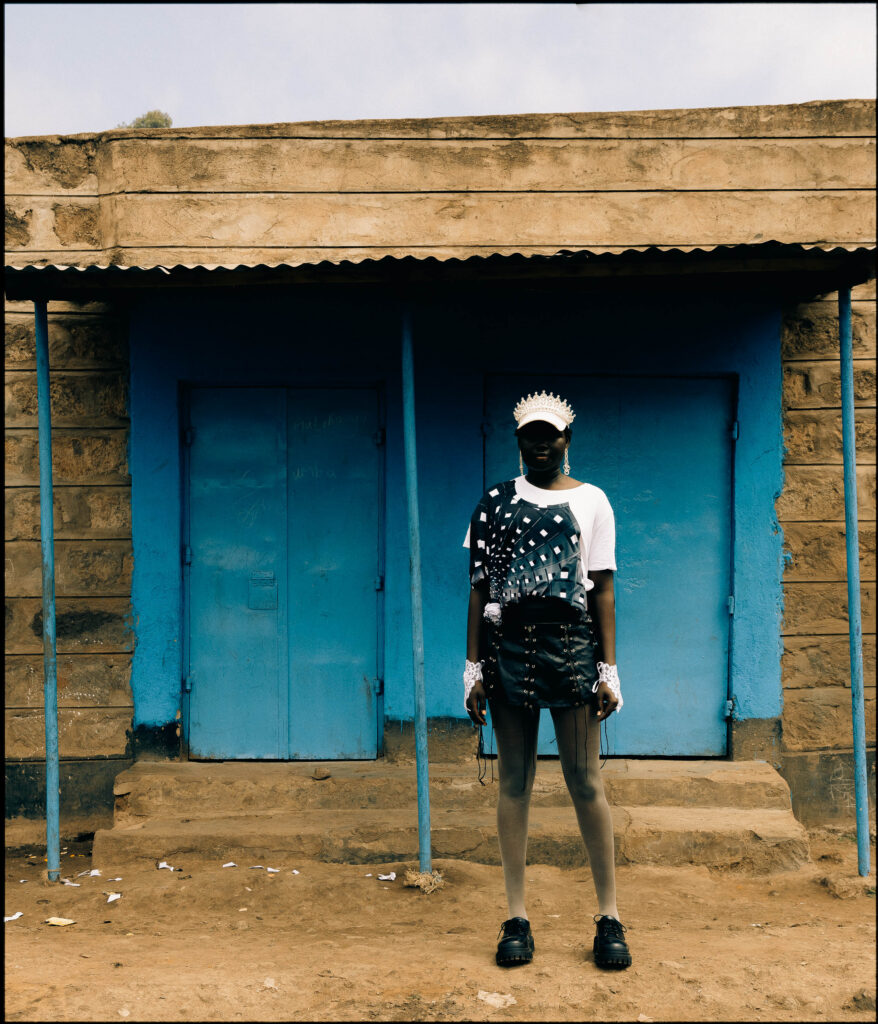
Location speaks a lot about a project. Travelling so much when I was younger meant landscapes, architecture and different environments became a huge part of how I understood the stories I was working on. For me, location is never just a passive background. It’s more like a co-author of the project.
It helps build the character and structure around whatever I’m creating. It can also help the model or subject express themselves differently within the photograph. A lot of it comes down to pre-production and understanding how everything is going to come together. I’ve actually turned down projects because somebody was forcing me to shoot in a location that I knew wouldn’t work.
I’ll explain why it won’t work, but if they insist, I’ll sometimes say, “Look for somebody else who can do it.” At the end of the day, even if somebody has paid me, I still see that image as part of my portfolio. With probably 90% of the projects I work on, I’m asking myself: How could this live in a book? How could this be published?
I don’t want to present something that I don’t believe deserves to be published. The choice of person is equally important. If I’m photographing an older person, how do I speak to them? If I’m photographing somebody younger, how do I communicate with them? All of those elements contribute to the final project.
Your images move quite freely between restrained black-and-white photography and very intentional uses of colour, texture and contrast. What determines the visual language of a particular story, and how much of that is established before you begin shooting versus discovered on the day?
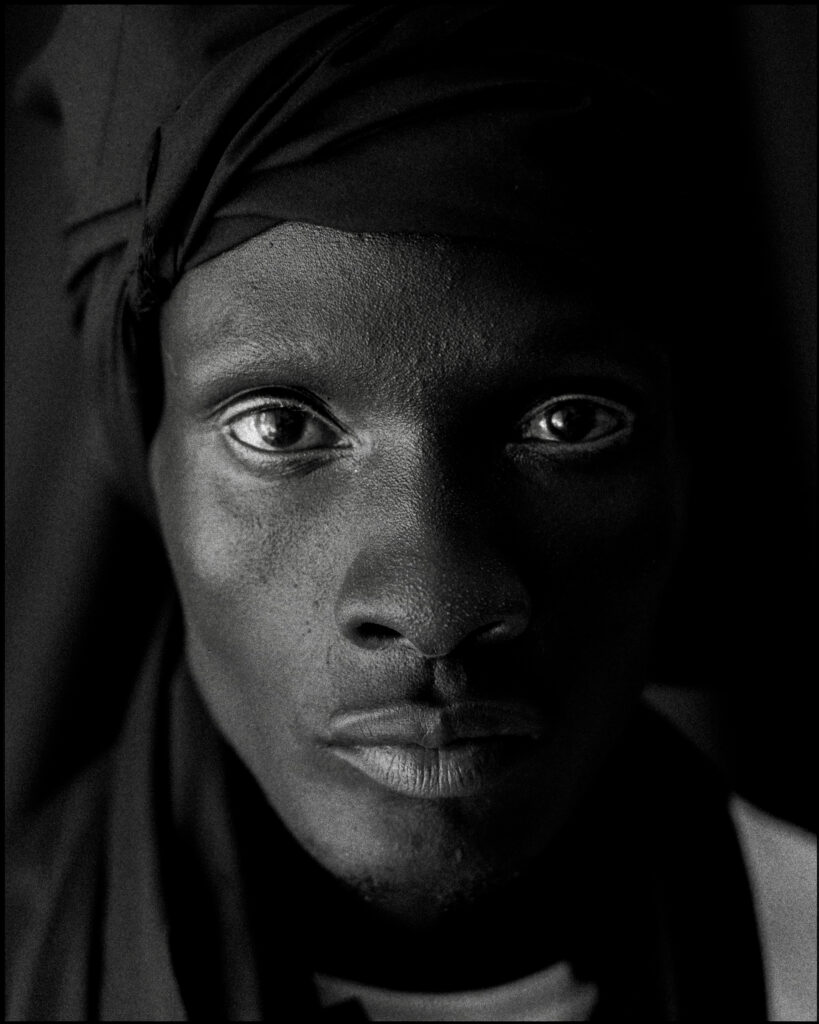
I see colour in black and white. It might sound strange, but that is naturally how I see my photographs. Even when I shoot digitally, I set my camera so that I can see the images in black and white while I’m working. It allows me to focus on contrast, texture and feeling without colour becoming a distraction. There is also a timelessness to black and white that I’ve always connected with, especially in the work of photographers like Mama Casset, Maurice
Bidilou (Studio Pellosh) , and Malick Sidibé. My visual language is also heavily influenced by painting and artists like Kerry James Marshall, because I’m always thinking about how an image can exist beyond simply being a photograph. Even when I paint, I work in black and white. For me, it isn’t just an aesthetic choice; it’s how I understand and see colour.
There's a recurring sense of stillness and directness in the way you photograph people, even when the styling itself is quite expressive. How do you direct your subjects while still allowing them to retain their own presence and identity in the frame?
For me, a lot of it comes down to understanding the person I’m photographing. The choice of model or subject matters, but so does how I communicate with them. You can’t speak to every person in exactly the same way. If I’m photographing an older person, there is a particular way I need to approach and understand them. If it’s somebody younger, the communication changes.
The environment also helps with this. I don’t want the person to feel separated from the space simply because we’re creating an image.The location, the person, the styling and the story have to work together.
That’s when the subject can still exist as themselves rather than feeling like they’re simply being placed into a photograph.
Looking at the work you've built so far, what kinds of projects do you hope to be commissioned for more? Are there particular subjects, industries, publications or ways of image-making that you feel you haven't had enough space to explore yet?
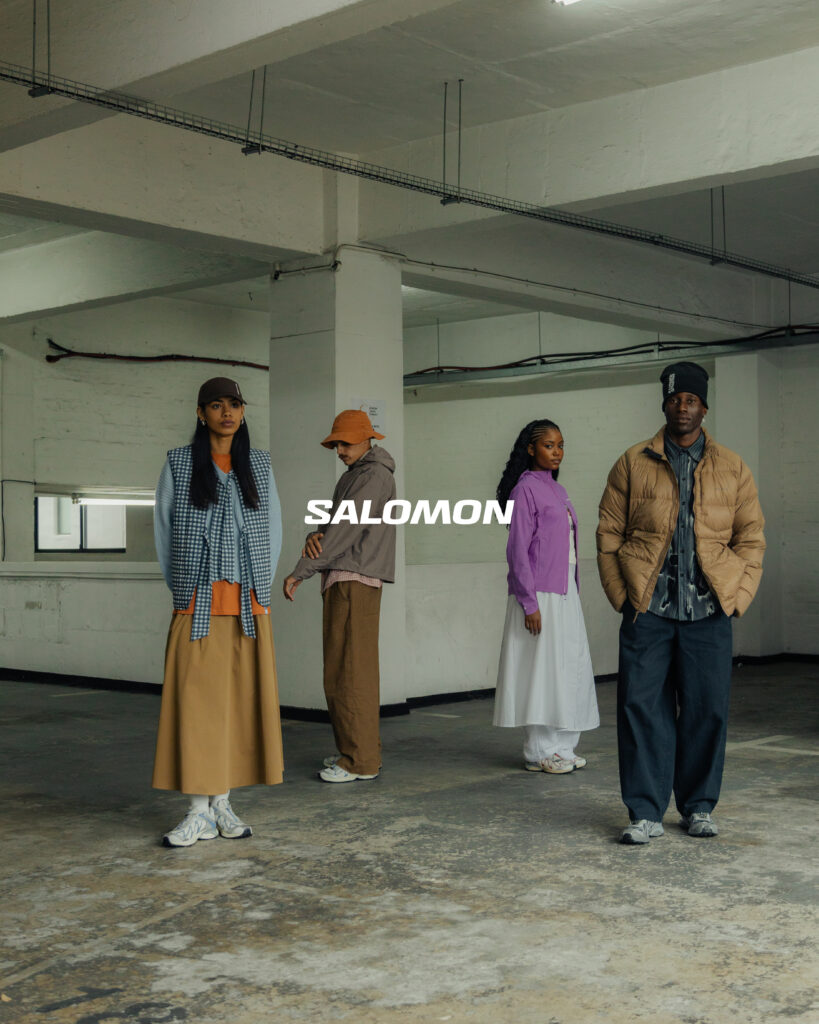
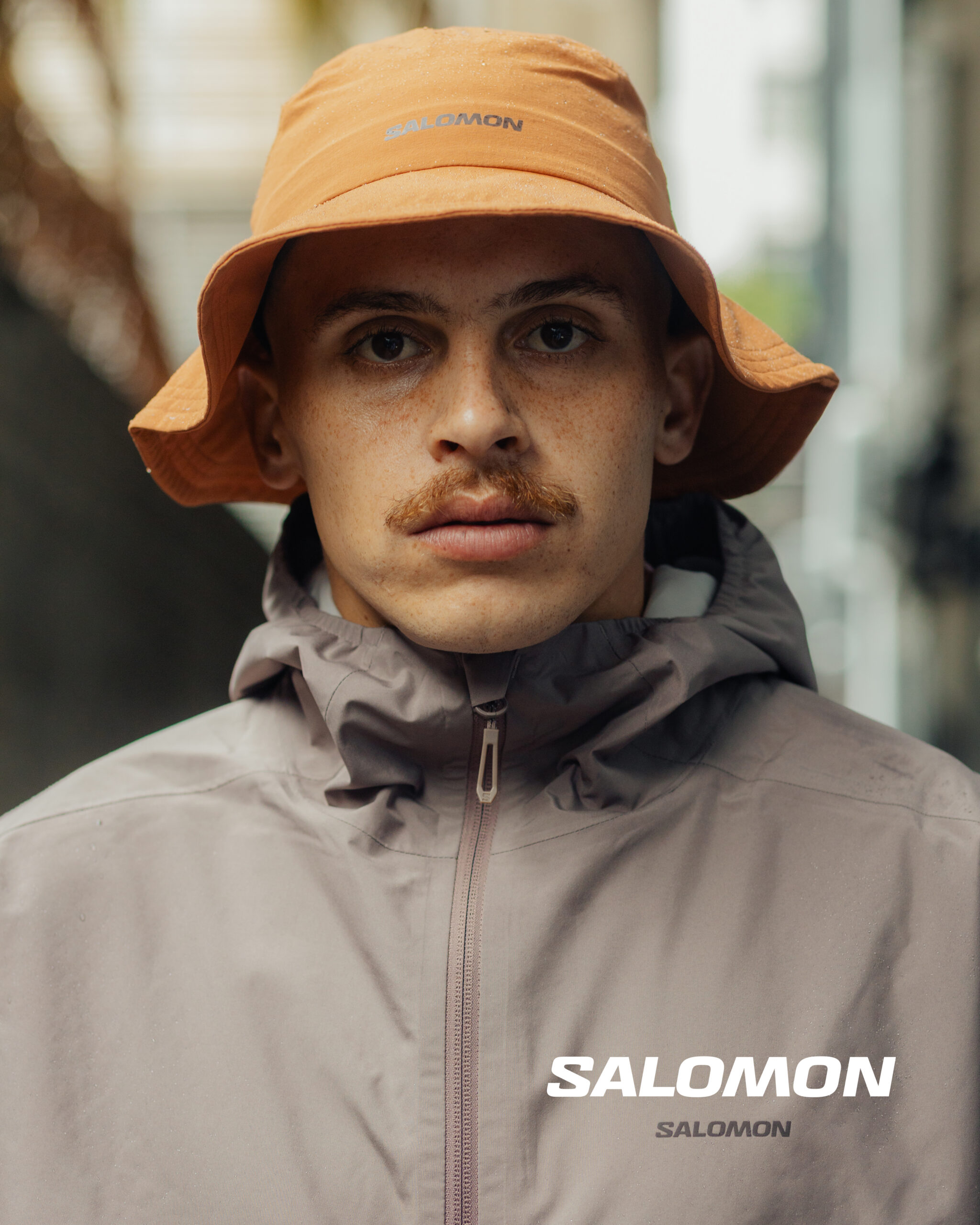
I’d love to shoot more campaigns, particularly in sports. So many incredible athletes come from here, yet major brands often fly in entire creative teams, making those opportunities difficult for local photographers to access. I’ve worked with brands like On Running and Salomon, but I want to approach sports differently, making it feel contemporary, culturally relevant and closer to fine art. I’m interested in commercial photography that feels honest to how a product actually exists in the world, rather than making it flashy for the sake of it.
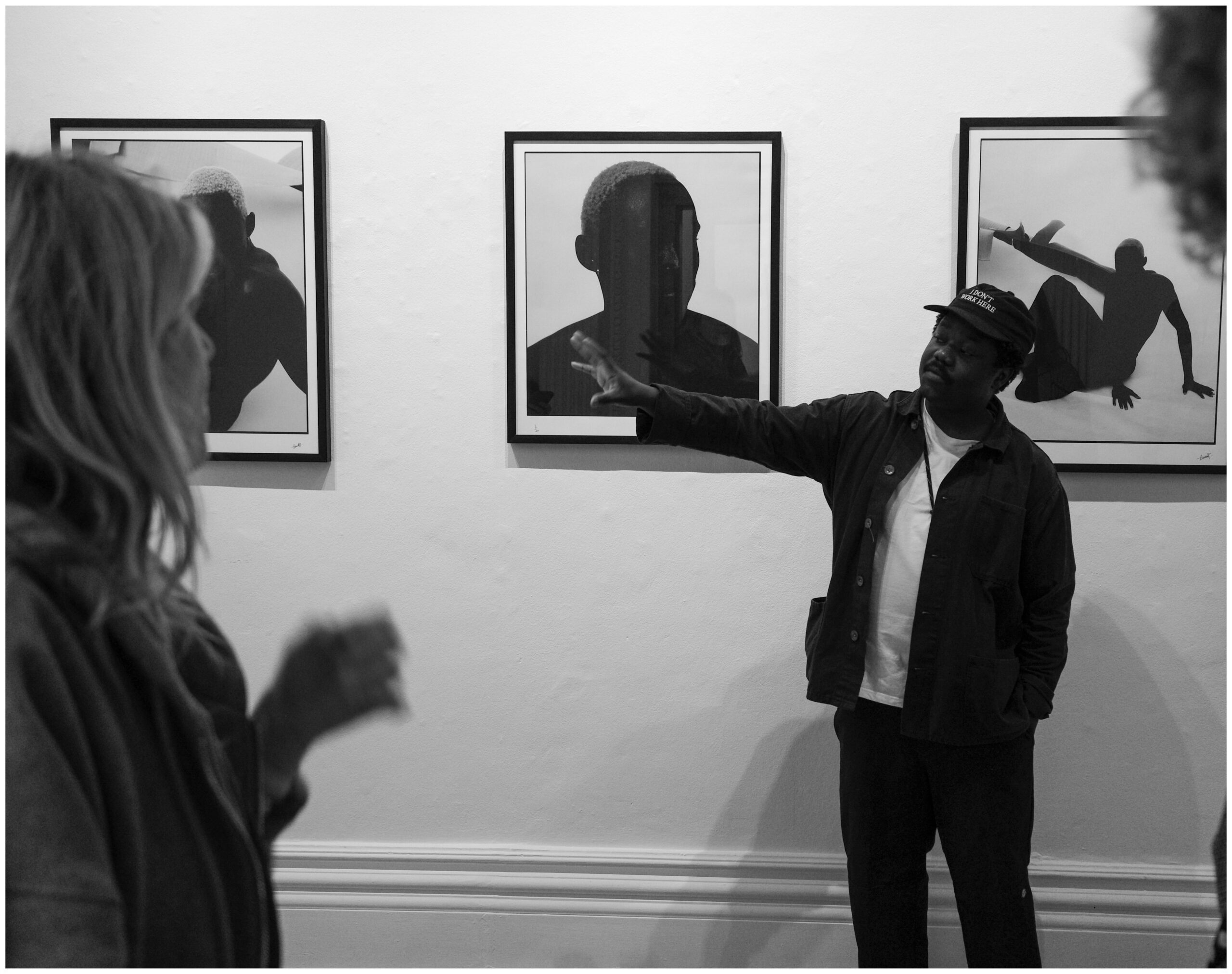
Your first solo exhibition, Mtume Mjini - A Messenger in the City, marked a different way of presenting your photography beyond a screen, publication or campaign. What was the thinking behind the exhibition, and what did you want people to understand or feel when encountering the work together in a physical space?
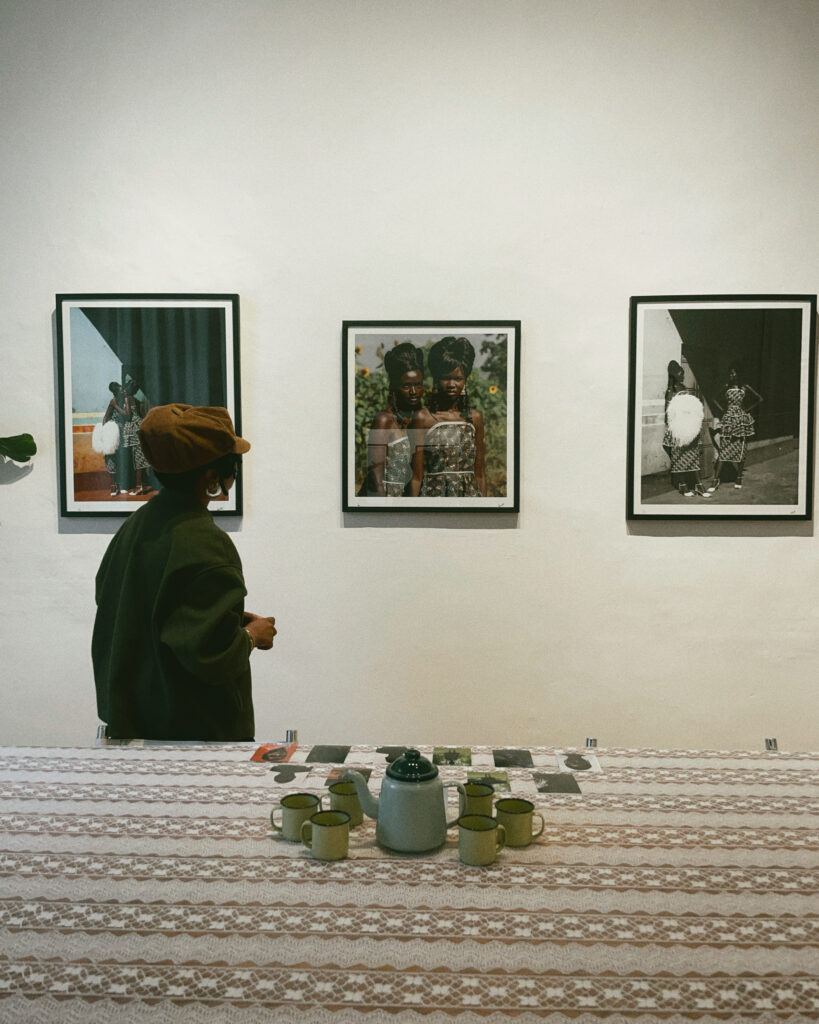
Mtume Mjini is Swahili for A Messenger in the City. Naming my first African solo exhibition in Swahili was intentional , I wanted the work to carry the language and culture of where I come from. Although I had exhibited internationally, from Korea to Berlin, New York and the UK, I had never had a solo exhibition in Africa.
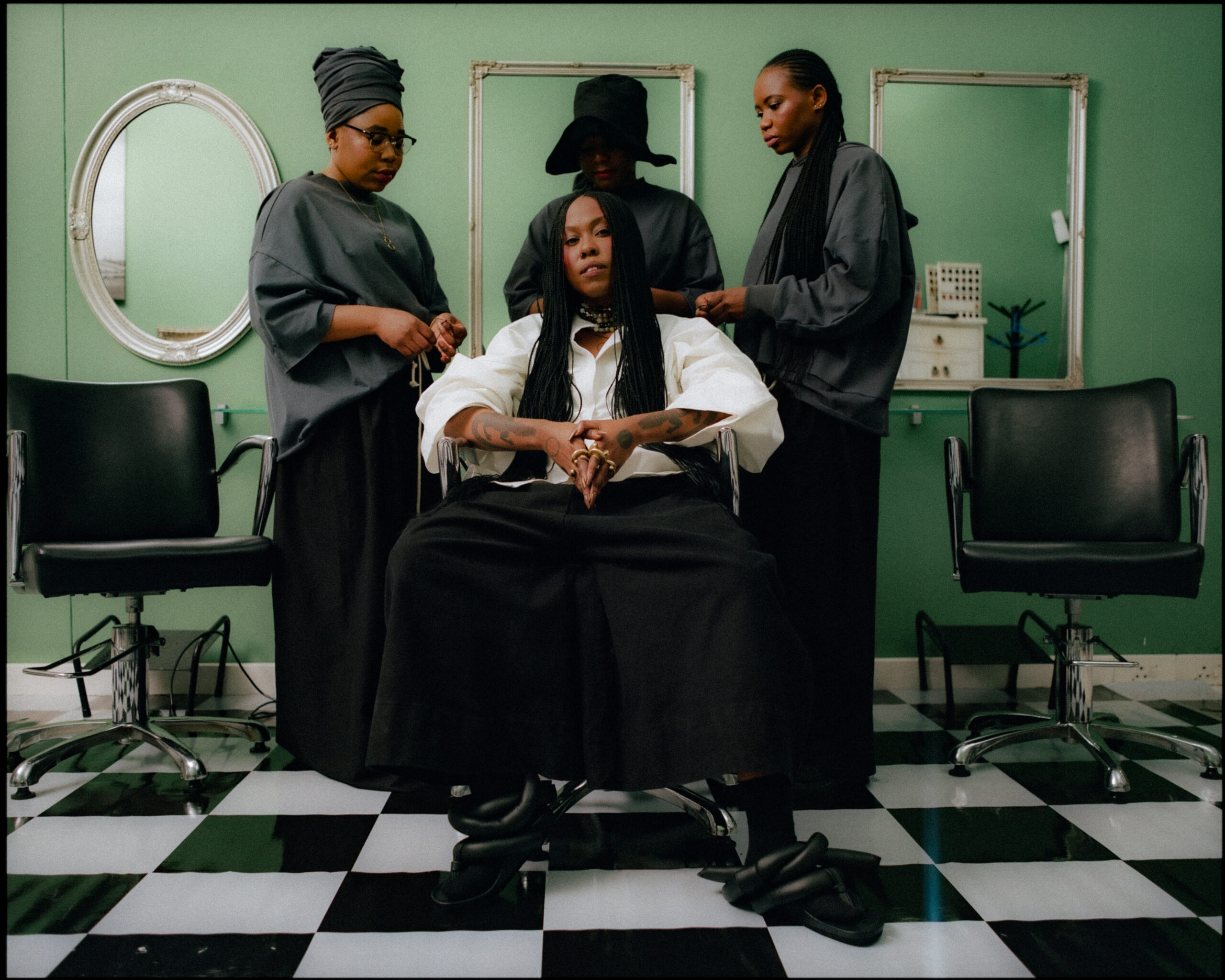
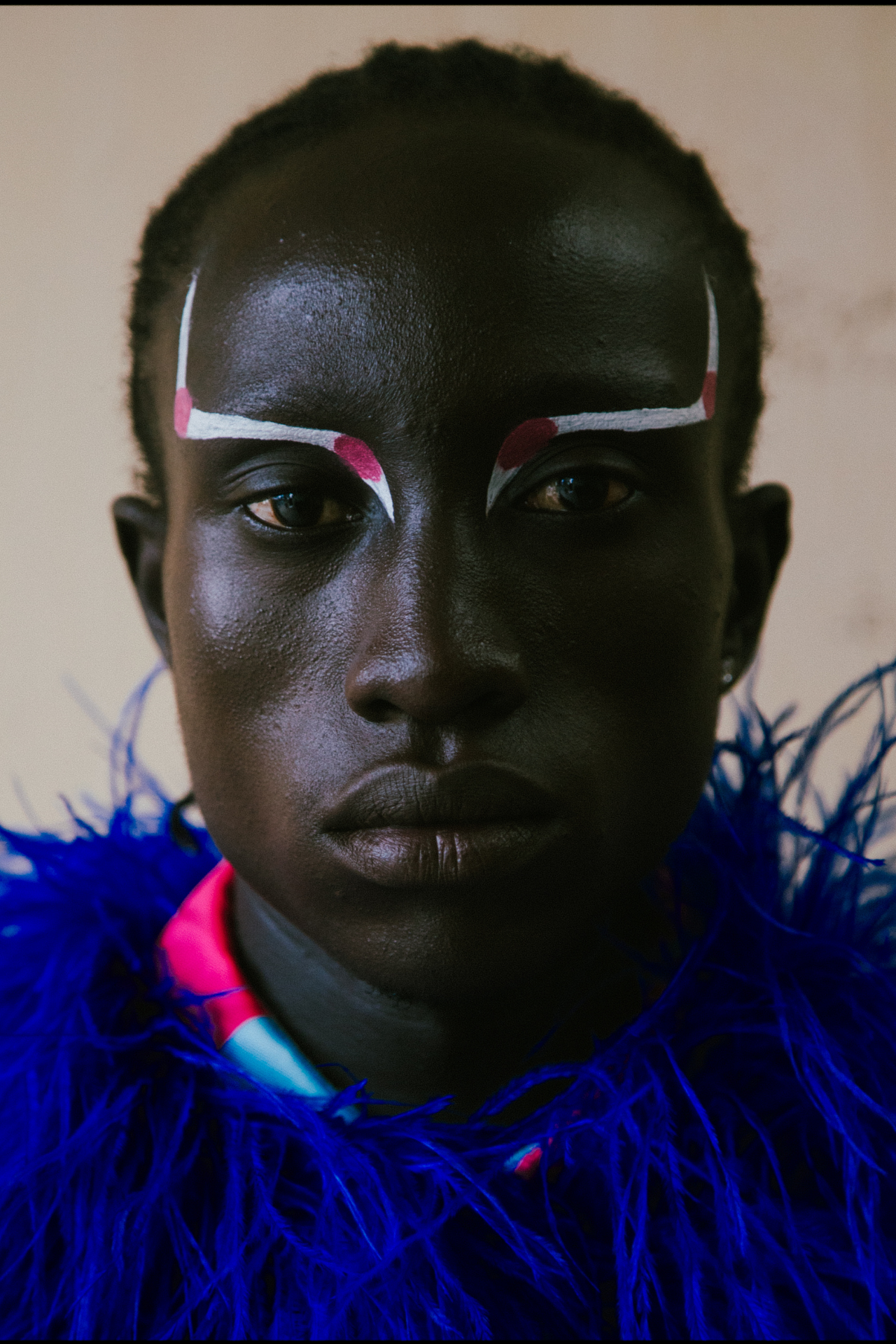
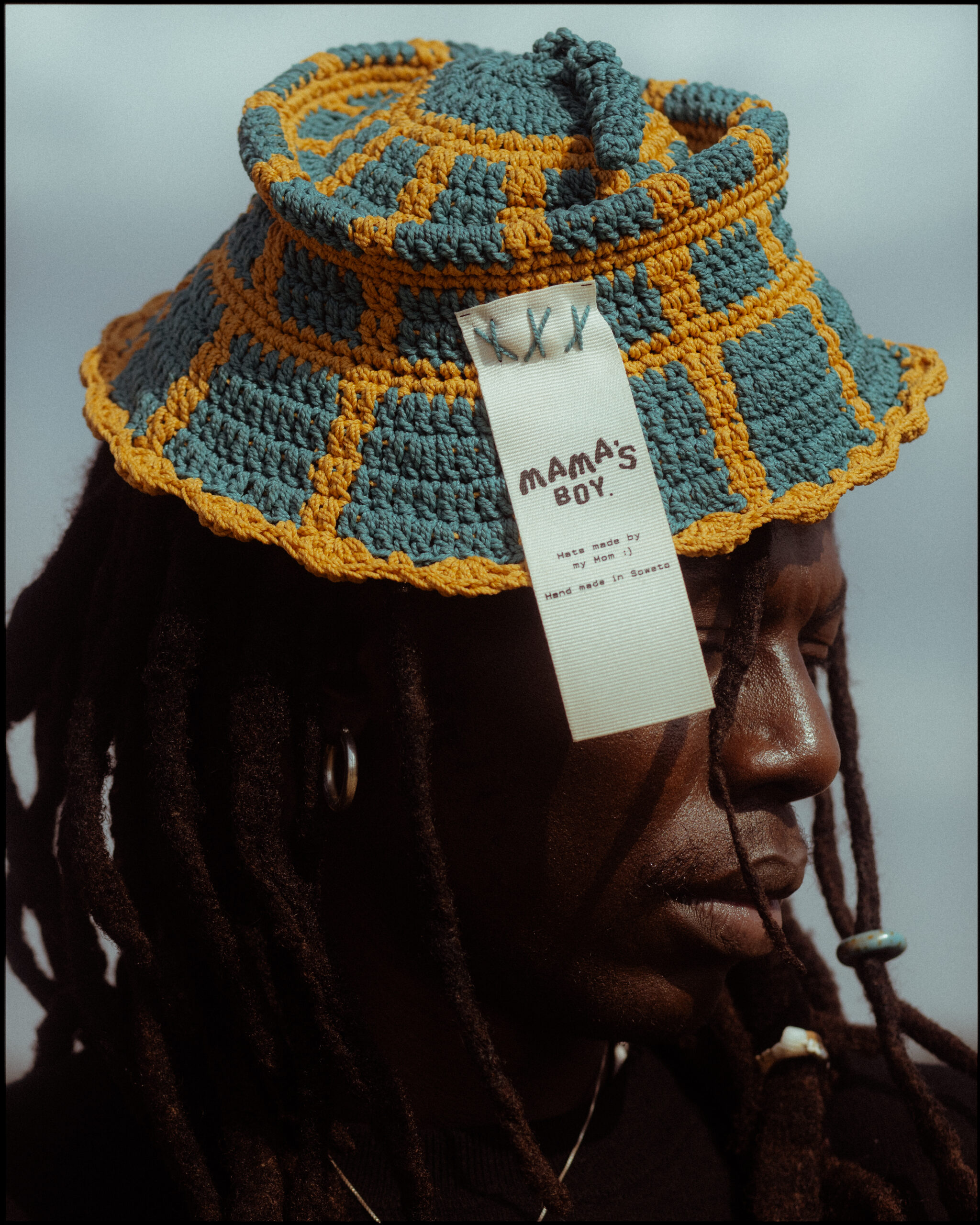
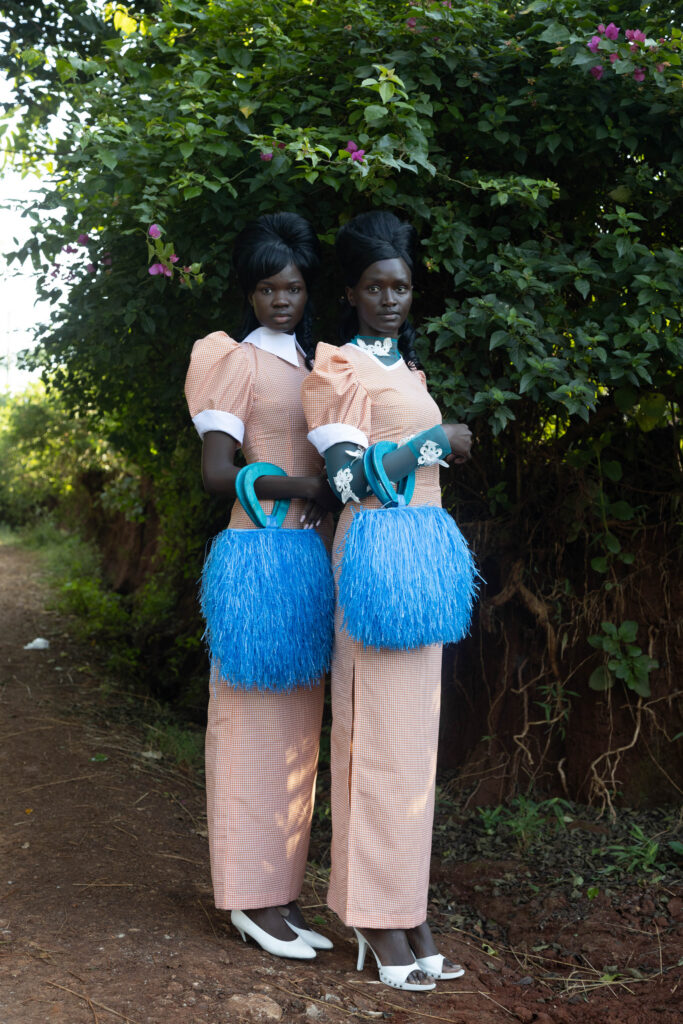
So I took the risk and built it myself, printing and curating the work with a close friend before finding a gallery through Instagram. The exhibition brought together three deeply personal bodies of work: Dual Mandate, Sisterhood, which traces my mother’s relationship with her late sister and my own family history, and Man of Colour, an exploration of migration, colourism and the barriers faced by East African creatives seeking opportunities beyond home.
Mtume Mjini became more than an exhibition; it was a way of carrying stories from where I come from into rooms where they had not always been heard.
Can you take us through the process of actually building Mtume Mjini as an exhibition from developing the concept and selecting photographs to deciding what deserved to be printed and shown? When you have a larger body of work, how do you know which images are individually strong and which images are necessary to tell the larger story?
A lot of my process happens organically. I shoot, step away, return to the images, make test prints and allow the work to reveal what it wants to become. That’s also how I think about exhibiting.
I want the work to exist physically, in art fairs, Design Weeks and galleries, but always with purpose. I’m currently developing exhibitions across Nairobi, South Africa and Copenhagen, alongside a new body of work, Child of Immigrant, exploring movement, belonging and what it means to exist between places. I don’t feel the need to be the loudest person explaining what I’m doing. I simply want to make the work and give it the right spaces to exist.
iQHAWE Magazine is centered on celebrating and representing emerging creative communities while also closing the divide between emerging creatives and their respective industries.








Leave a Reply