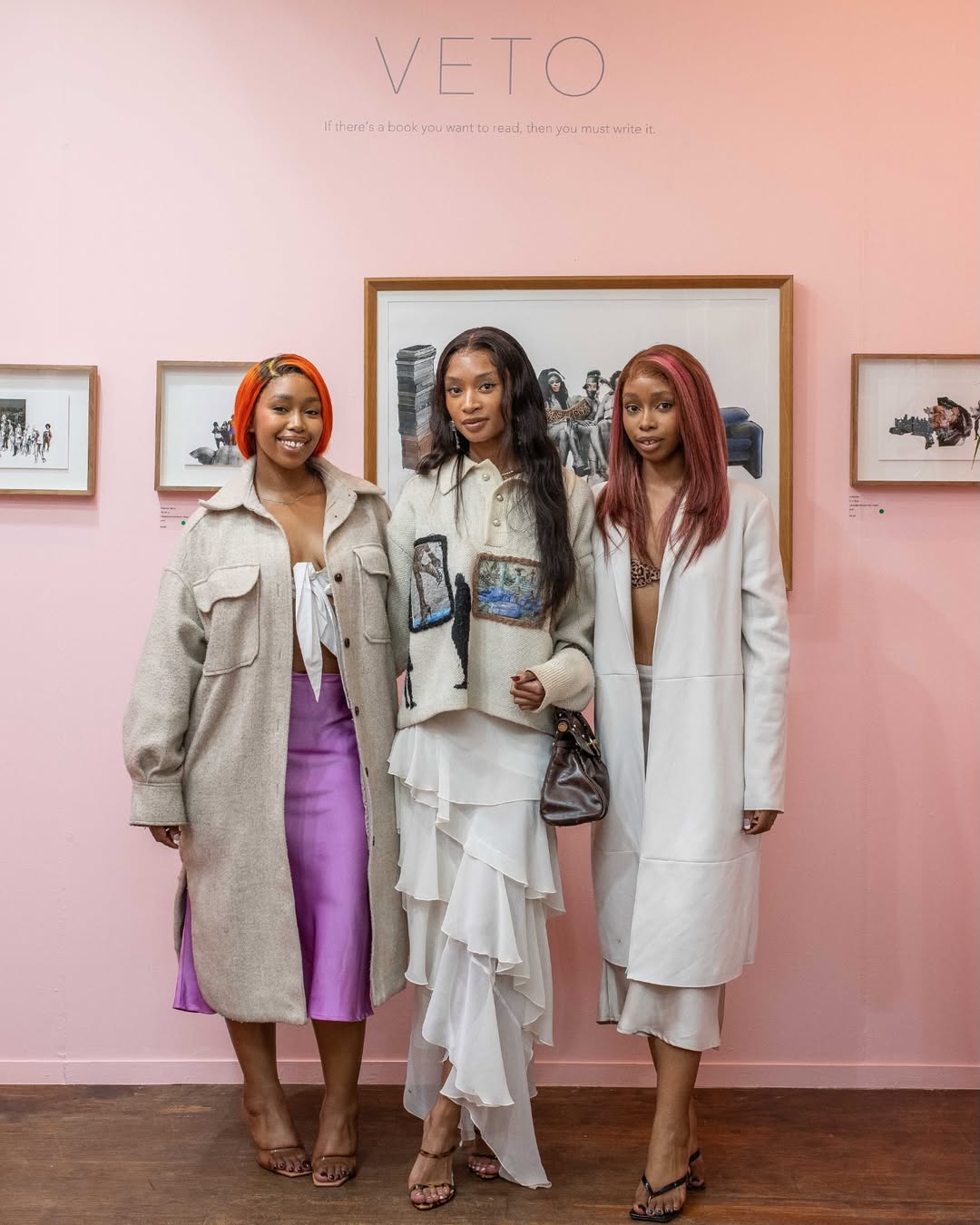
The Personal Archive Becomes Art: Lungile Ngcobo
Lungile Ngcobo is a visual artist from Johannesburg. She studied at the Market Photo Workshop and is part of the “Occupying the Gallery” artist collective, hosted by Mary Sibande and Lawrence Lomaoana. Lungile works in both commercial and documentary photography, using both analogue and digital formats. In 2020, she participated in the Moleskine residency and exhibition at Constitutional Hill titled “What Comes First?” In 2022, she was featured in “Reshape 2022” by Latitude Online and was part of the “What Comes First?” group exhibition at Nirox Sculpture Park. She also took part in Season 2 of “Occupying the Gallery” at SMAC Gallery.
Under the mentorship of Tatenda Chidora during the 2023 Incubator Programme at the Market Photo Workshop, she won first prize in the 2024 Sanlam Group and Youth Content Collective exhibition titled “Roots Unveiled.” In 2024, she exhibited in a pop-up show with Stevenson Gallery Group titled “Kiki” and was part of the Zine launched at the opening of Fouad Asfour’s PhD exhibition at Wits Art Museum.
Lungile’s storytelling prowess shines through her exploration of the themes of “home” and “identity” in her work. Utilizing documentary fashion, she delves into her roots and manipulates images through collage to convey her emotions in her photography.
Has photography and visual art always been something you wanted to do professionally when you were younger?
I think it kind of crept in over time, because I never really saw “art” in a formal or traditional sense. I didn’t know what art was supposed to be in that format. For me, growing up, I just saw those painters as photographers. I didn’t separate it or define it too much. The word “art” was always there, but it didn’t hold much weight until later.
That all started to shift when I studied at the Market Photo Workshop. Initially, I went in thinking I’d just pursue commercial photography because I was really drawn to fashion. I’ve always had a strong connection to visual storytelling and expressing emotion through fashion, so that made sense for me. But as I got deeper into the work, I began to understand what people meant when they talked about things like documentary photography, conceptual work, and visual narratives. That’s when things really started to open up.
The experience has been amazing so far. I’m discovering new parts of myself and exploring other forms of creative expression like painting and working with different mediums outside of photography. At the same time, I’m also learning how to incorporate those techniques back into my photography, to better express what I’m trying to say. The mentorship has been incredibly valuable in helping me grow both technically and creatively.
And yeah, a lot of my work explores the idea of home and identity. Home, for me, isn’t just one place, it’s a layered feeling, tied to memory, emotion, and personal history. That exploration really sparked my interest in using art to convey those inner experiences and connections. It’s been about finding ways to visually represent those intimate parts of myself and my story.
You explore themes of "home" and “identity” . Where is home for you and how did it spark your interest in conveying your memories and emotions in your art?
For me, home is both a physical place and an emotional space rooted in family. In my current project with Occupy, I’m exploring healing both physical and mental as a way to rediscover home. I’m working with memory and personal/collective history, especially reflecting on my grandmother’s role in shaping our family’s sense of belonging. I’ve noticed a lack of visual documentation in my family, especially images of my grandmother and mother with their children. This absence drives my work; I’m reimagining and making visible those undocumented memories, creating space for presence through what’s been left behind.

An image of yours titled “The Maternal” stood out for me because it explores your family’s history through old photo archives, which myself and many readers can relate to - walk me through your creative process and consideration?
It started when I was still a student. I was always drawn to archives, even though I didn’t fully understand why. Over time, I realized it was because of the things my family left behind that I couldn’t let go of. I eventually studied archives and records management at UNISA, but the focus there was more commercial about systems and business processes. That was useful, but I was still looking for something more personal.
I turned back to family archives, talking to my aunts and asking why there were no photos of them with our grandparents. Most didn’t have an answer, it just wasn’t done. That absence really stuck with me. Then, during the Market Photo Workshop incubator program, I had to propose a project. I realized I still wanted to explore archives, but from a more emotional and visual place especially centered on my maternal side, where I was raised.
So I started creating work that didn’t just document but also tried to fill the emotional gaps. I enlarged an image of my grandmother to use as a backdrop, almost like creating a group portrait across time. We wore clothes that resembled or came from her — it was about re-creating presence through memory, stitching together what was never captured.
Let's take a moment to reflect on the significance of mentorship. What have been the most impactful ways Thatenda Chidora has contributed to you as a photographer?
Being mentored by Tatenda was really impactful. He’s still a young photographer, but with so much experience in both the commercial and creative world. That helped me understand that it’s possible to honour personal storytelling while also learning how to survive in the industry.
He’s helped me see how to balance intentional, emotional work with the demands of the commercial space. It’s shifted how I view photography not just as art or memory work, but also as something that can sustain me practically. His guidance gave me the confidence to move between both worlds without losing the heart of my work.
During the Market Photo Workshop incubator, I chose him as my mentor because I wanted to explore both storytelling and commercial photography, and his guidance was instrumental in shaping The Maternal. He helped me find ways to navigate between documentary realism and artistic interpretation, while still holding onto my personal narrative.
I also got the chance to assist him on both personal and commercial shoots. That experience gave me insight into how he works and maintains his artistic voice even in client-based or commercial settings. It made me realize that it is possible to have both, to sustain your creativity and your career at the same time.
How has your experience been navigating the art industry from a business perspective?
It’s been both exciting and challenging. Working with archives isn’t something you just do on the surface you really have to go deep. Even when you find material, there’s still so much research to be done around the history and context behind it. That depth takes time and care.
My experiences across commercial and art spaces have really shaped how I work. I had a big shift when I started working with Mary Sibande and Lawrence Lemaoana that opened doors for me, like going into the Drum magazine archives, where I got to physically dig through materials and start understanding the weight of historical storytelling.
Being part of Occupying the Gallery has been incredibly important. It’s exposed me to the inner workings of the art world from collaborations and residencies to understanding things like contracts, pricing, and copyright. It’s all crucial knowledge.
Right now, I’m not signed under any gallery, but I’m part of the Occupying collection, which feels empowering. It’s a space where I can continue learning, building relationships, and growing my practice on my own terms.
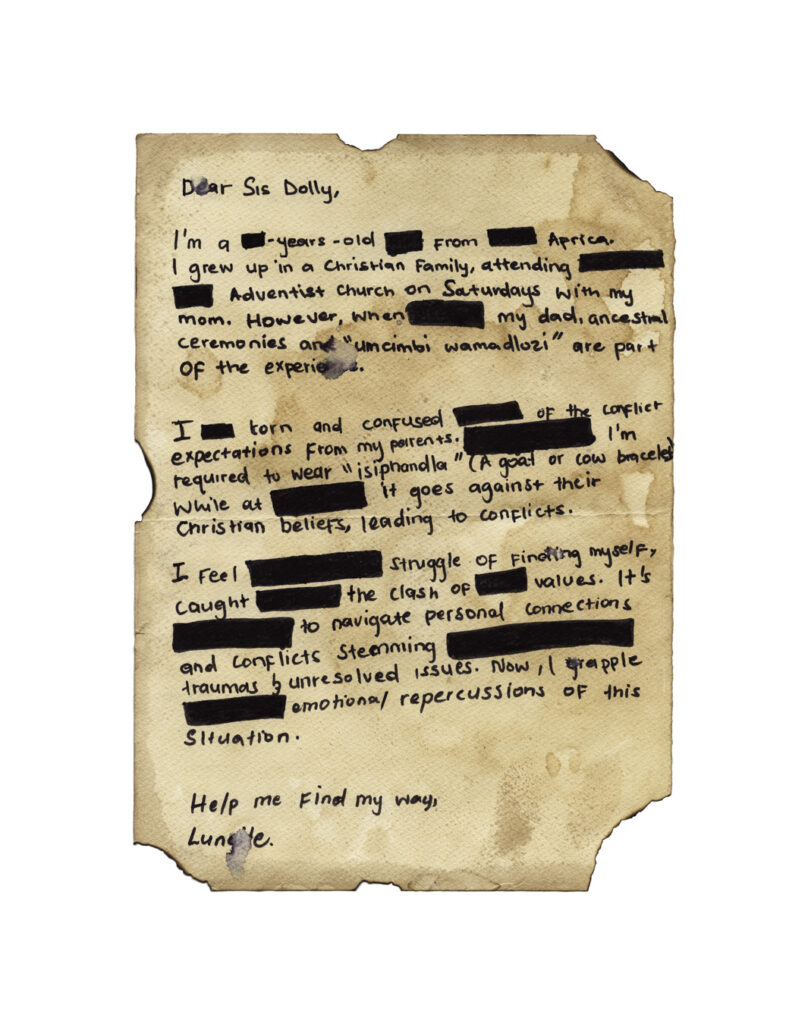
You’ve achieved so much success so far in your journey, what are you looking forward to when it comes to creating , exhibiting and business?
I’m really looking forward to developing my art practice further both creatively and commercially. After the success of the Cape Town Art Fair, I’m excited to share new works made in collaboration with different printing studios and painters. It’s a new direction in terms of medium, but it still aligns with my ongoing themes around memory, archives, and presence.
I’m also excited about collaborating more and growing within different spaces. Working at the David Krut Projects has been such a learning experience. I’m surrounded by artists exploring different mediums, and it’s been eye-opening. It’s not just about making art, it’s about understanding the industry, knowing what to look out for, exchanging knowledge, and building something sustainable.
Ultimately, I want to create more opportunities not just for myself, but for others, too. I’ve been lucky to receive mentorship, support, and platforms, and I want to pass that on. I’m still learning, still exploring, but I’m open to the journey.