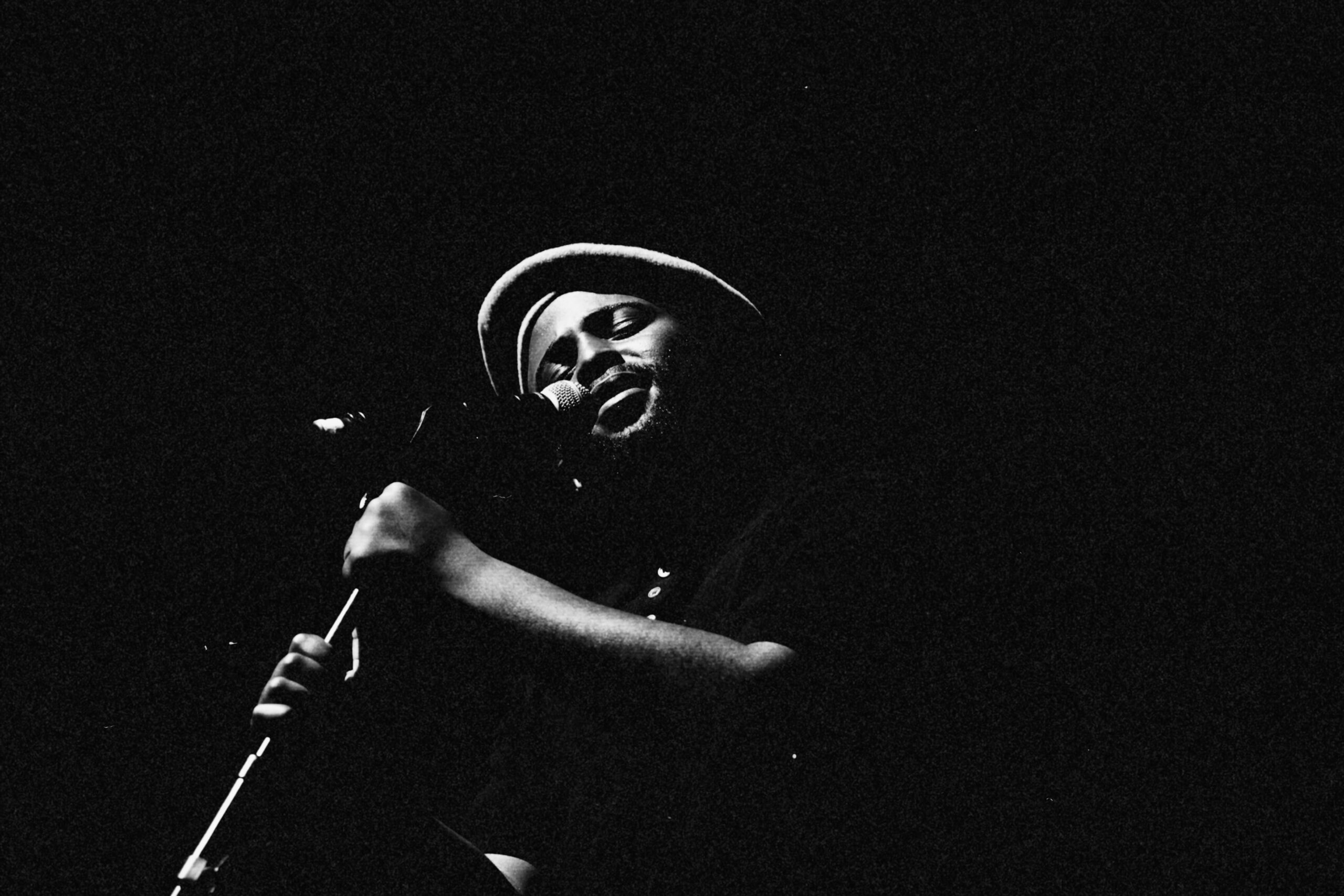
I first sat with Retang years ago as a photographer, in conversation about image-making and observation. Returning to that dialogue now, we meet him again as a commercials director, creating work that challenges norms and asks us to look more closely. He also photographed our print magazine, a collaboration that felt particularly resonant: the same essence, curiosity, and visual honesty.
There seems quiet deliberateness to the way he moves through the world, watching, absorbing, retreating, and returning with intention. Long before titles or mediums entered the picture, his practice was shaped by observation: of people, of culture, of the small, often overlooked moments that reveal something larger about how we live. This way of seeing has become both compass and anchor, guiding a body of work that resists spectacle in favour of honesty.
I hope our conversation invites reflection, and leaves something stirring beneath the surface.

A lot has happened since your photography days, throughout your career and personal growth. Can you walk me through the past six or seven years and where you’re at right now?
When we last spoke, I was fresh out of varsity, just finished my second degree at Open Window. I was eager and excited to start this new life. At the time, during COVID, I was interning at Glow Hire while also assisting. My mindset was: “Okay, I’ll do this for a couple of years, then things will progress.”
Back then I was about 24, still young, still figuring things out. I knew I needed to grow, test more, shoot more, and develop creatively. What hadn’t clicked yet was that the world was really open to me, that if I focused and committed, I could find my own definition of success.
For me, success is about visual impact, creating images and work that contribute to the artistic community. I consider myself an artist, and I want my work to inspire appreciation for art.
I assisted for about two, maybe two and a half years. Then I got my first campaign opportunity through a friend. It started casually: “Hey dude, you’re good. Come do this, we’ll pay you.” From there, things started moving quickly. I began shooting more on my own, started directing, and realized this is serious, I need to take myself seriously.
Since 2022, I’ve been working to stay true to that younger version of me, the kid who wanted to make art that sparks thought and conversation. At the same time, I’ve leaned into commercial work, which I also enjoy. I believe the commercial space is powerful for shaping culture and making commentary, like the iconic Nando’s ads back in the day.
So I took a risk on myself, even if it meant burning a few bridges. That assistant phase is behind me. Now I’m focused on the next stage of my life and career. As I step into my 30s, I want to be more intentional with the work I take on and the projects I attach my name to.

I want to take it back a bit. I’ve been speaking with a lot of directors about their creative frameworks. Many draw from very specific places, childhood, politics, or cultural representations. Since you work across both photography and directing, where does your framework come from?
I’ve always been an observer of people. I love people-watching because truth is stranger than fiction. I don’t consider myself deeply political, but I see beauty in the mundane. Inspiration comes from small, everyday moments.
Every project I’ve done from 2020 until now has been rooted in observation. For example, MindScape Part One came from my childhood fear of water. Many Faces explored the masks people put on and how they present themselves differently in public.
Even my directing projects stem from observation. My first project with Siyababa – Siyathaandana, drew on township culture and the archetype of the “shebeen queen.” My latest with Siya Baba explores intersections between Zulu traditions and queer Vogue culture. So my framework comes from observing reality and translating it into what I hope is art to all.. I’m drawn to those little truths that make you laugh, think, or pause
When approaching projects, is your process the same for photography and directing?
At their core, both are about frames. Photography is one frame; film is a sequence of frames. The difference lies in detail. With photography, you focus on a single image capturing everything you want to say in that one shot. With film, you need to think about what happens before, during, and after each moment, weaving everything into a consistent thread. So my approach is similar, but photography is singularly focused, while directing requires a broader, more layered mindset, I think.


I really liked Fashion Archive and Many Faces. They felt very different. What did you want to express with those projects?
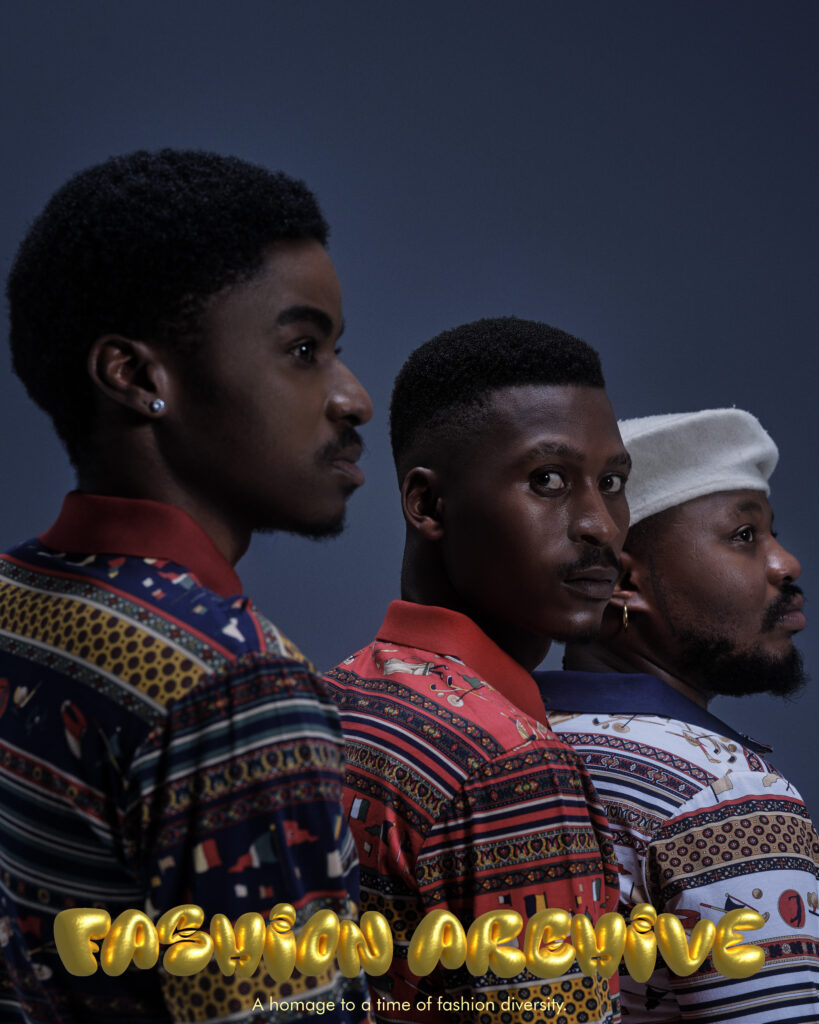
Fashion Archive was about observing how we moved from a golden age of fashion and individuality into more homogenized styles. Back then, subcultures were distinct, hip hop heads, vintage kids, izikothane. Everyone expressed themselves uniquely.
Now, those distinctions have blurred, and in some ways, it feels less colorful. That project was my way of saying, “Remember this diversity of self-expression? It would be nice to bring it back.”
Many Faces were different. Part One explored the masks people wear the facades we present, often borrowed from others. Part Two became more personal: an interrogation of myself, my influences, and my identity. What I love about Many Faces is that people interpret it differently. Some see it as commentary on human sameness, others on individuality. I enjoy leaving it open to interpretation.
You mentioned Many Faces Part Two was about interrogating yourself. What internal battles affect your creative practice?
One of my biggest struggles is forgiving myself for mistakes. That makes me hesitant to take risks sometimes. I think, to be a great artist, you need to face yourself honestly with your flaws, vices, and gifts. That’s something I’m still working on: being fully at peace with who I am.
"We’re not making political statements, we’re observing similarities."
Let’s talk about your collaborations with Siyababa. Why do those projects always feel so bold and provocative?
Because Siya himself is bold and provocative. He makes it easy to take risks. He’s a wrecking ball, while I’m more of an observer. Together, we push boundaries without overthinking.
For example, our latest project, Siyalwa “Raging Bull” started as an idea about vogue battles in a boxing ring. After research, we merged that with Zulu traditions, highlighting those cultural intersections.
Our dynamic works because I allow Siya the freedom to be as controversial as he wants, while he pushes me to dig deeper and not hold back. We allow each other freedom and create a space to have fun. We both like exploring ideas, sparking conversations, and making people think. I really value that collaboration.
Yeah, that’s rare, what have been some of your worst or most challenging experiences on set, especially as a director? What tested your character?
Directing has made me grow a lot. It forces you to stand firm in your vision, even when clients and creative directors have their own ideas. One of my toughest experiences was on a shoot in Limpopo, not far from my grandmother’s house. I had convinced the client to let us shoot there instead of Johannesburg, which felt like a big win. But on set, some team members questioned me constantly not in a constructive way, but in a dismissive, “you’re young, you don’t know what you’re doing” way.
That taught me I needed to be firmer. Sometimes, you need to protect the purity of the project. Too many conflicting opinions dilute the work. It’s not that I don’t welcome feedback, I do, but it has to build, not tear down. Since then, I’ve learned to work only with people who actually want to work with me. In commercial spaces, people sometimes take jobs just for the paycheck. When that happens, they don’t care about the vision. But when you collaborate with people invested in the project, everything they contribute elevates it. That’s the difference.
Let’s talk about These Things Happen. What was that experience like, coming from the commercial world into long-form storytelling?
I used to say I could only think in 60-second blocks because of directing commercials. So when Cebo Mtshemla approached me with the script, at first I hesitated. I thought it was too big for me. She initially asked me to just DP it, but I knew I couldn’t do it justice alone, I needed a team.Making a film is a huge undertaking. It’s not just about shooting, it’s about reading between the lines of a script, finding what needs to be shown visually, and building narrative over time. At first I doubted myself, but eventually I leaned into it.
These Things Happen is a people-watching, voyeuristic project rooted in nightlife and club culture. For me, it’s a springboard into bolder, more experimental work outside of advertising. It taught me a lot about collaboration, especially with Cebo and Liso Ceza. We fought plenty, but that’s part of the process. I want to expand the world of These Things Happen, even into a music video. Same world, same location, just on the dance floor this time. For me, it’s been a big step in sharpening my directing chops.
In another interview you said you want your images to “say something meaningful.” What does “meaningful” mean to you in today’s media landscape?
Advertising right now is weird. Content is easy to make, which means people don’t interrogate what they’re making. You end up with stuff that looks cool but says nothing. For me, every piece of work must carry meaning. Meaning is about context: what is this really saying, and to whom? Brands like Chicken Licken get it right; they hardly mention their product, but they tell extraordinary stories rooted in ordinary South Africa. That’s meaningful.
In photography, I’ve stepped away from fashion because too often it’s just “cool pose, nice backdrop.” But designers put meaning into their garments, and it’s our job as image-makers to translate that. Photographers should interrogate: Why am I shooting this? What does it mean?
Not every project has to be activist art. But every image should communicate something intentional, whether it’s selling convenience in banking or showing individuality in clothing.I believe we need to “shoot less, think more, read more, write more.” Even research whether deep academic reading or just studying culture on TikTok sharpens meaning. That’s the kind of work I want to do.

Okay, last question. Instead of a headline, I like ending interviews with a sentence or motto the person lives by. If today were your last day, what words would you leave behind?
“Do better.”
There’s a line in a track I love: “There’s nothing I can do that I can’t do better.” That’s how I live. Every day, I wake up and ask myself: How can I do better than yesterday in my relationships, my health, even something simple like washing my face at night. It’s not about trying, it’s about actively doing better. If I can be better today than I was yesterday, and better tomorrow than I am today, then I’m living fully in the present.