

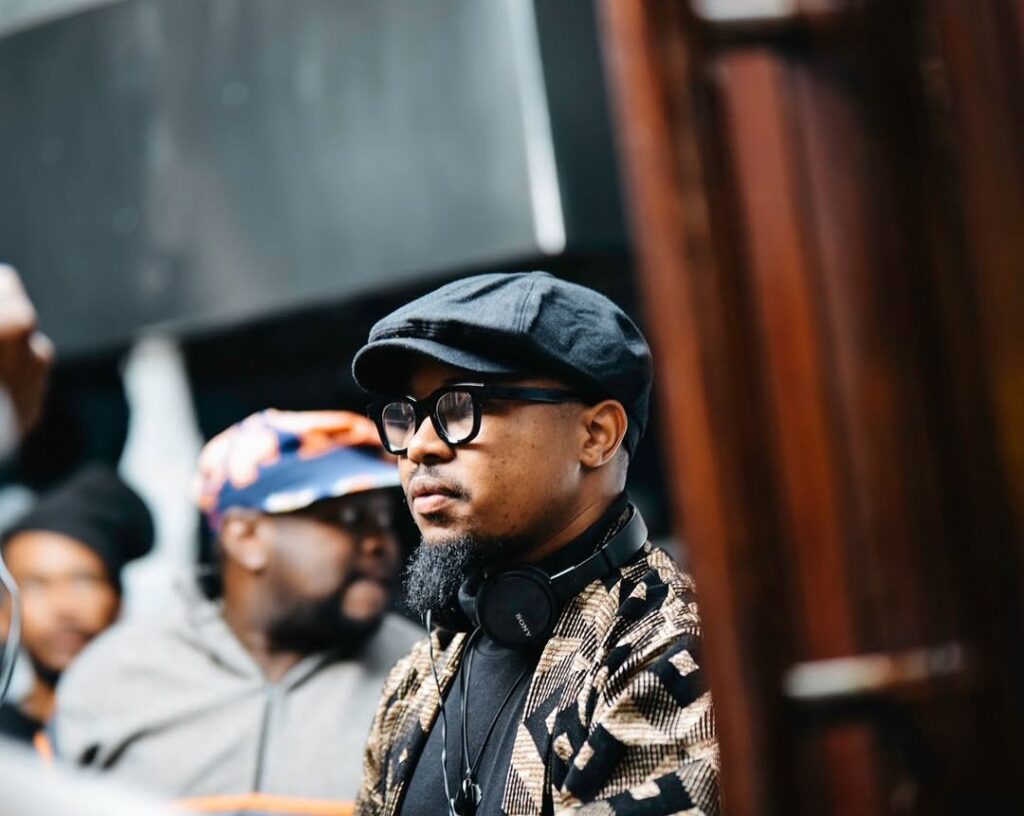
Charlie Samson tells stories the way some people breathe, instinctively, urgently, without permission. His journey unfolds far from traditional entry points, shaped instead by classrooms turned stages, friendships built on belief, and a quiet refusal to wait for access. His path is marked by sacrifice, improvisation, and an unwavering commitment to feeling over form. Samson’s films carry the weight of memory and the softness of music, drawing from personal loss, love, and longing. What emerges is work rooted in lived experience, tender and deeply honest, where storytelling is not a profession, but a necessity.
My conversation with Charlie felt less like an interview and more like a reunion, a gentle catching-up with an old friend, listening as he traced the distance between where he began and how far he had come.
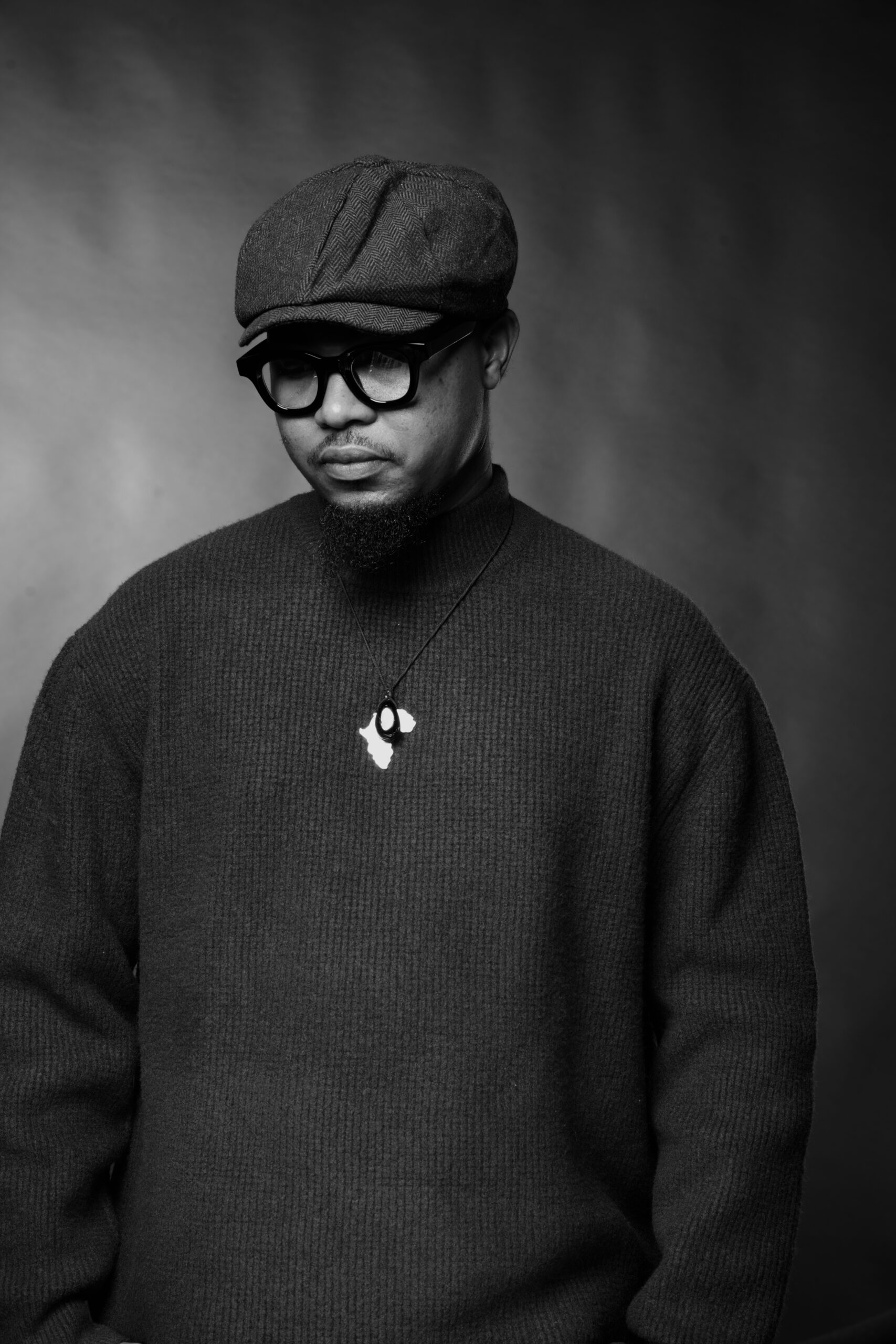
Being a 15-year-old theatre kid in Richards Bay probably came with its own experiences. Do you mind sharing some?
At 15, that’s when the dream and the hunger found me. I grew up in Richards Bay, and drama wasn’t really big there. We didn’t have exposure beyond school activities. But every time we had an oral presentation, we’d turn it into a performance. Because of that, our teacher started giving us tasks to create plays. That’s really where it began. I didn’t fully understand what I was doing at the time. Only later, around 19, when I was studying acting, did I realise this was actually what I wanted to do. I always wanted to be a filmmaker, but I couldn’t afford film school, so I studied acting instead. Theatre came from that. So no, I wasn’t really “doing theatre” properly at 15 but the ambition and hunger started there.
It began with a short play. It wasn’t a school assignment; it was for a parents’ festival. I wrote it and cast it with my friends and myself. But while performing, I felt misplaced. So I asked a friend to take over my role and watched instead. I didn’t realise it at the time, but that was the beginning of my directing journey.
The play was five minutes long, and people loved it. My lecturer challenged me to turn it into a full production about an hour long. I didn’t write any dialogue. I wrote the storyline and scenes, then workshopped them with the actors. They created the lines themselves.
We went to the Ishashalazi Theatre Festival, then qualified for Grahamstown. We won a Standard Bank Ovation Award, sold out six performances, and received standing ovations. But we didn’t make money. The Department of Arts and Culture wanted to pay us R150 per performance for Cape Town, which was ridiculous, so we refused. That’s when I realised theatre wasn’t sustainable for me. That’s when the hunger to move into film began. I started writing short films. At the time, my mom sent me R1,600 a month. Rent was R900. I’d spend about R200 on groceries, rice and soya mince and save whatever was left for films. A friend would hold the money until I had enough. I’d use it to buy food, pay for transport, feed my friends just so we could shoot.
That’s where the indie spirit really started. I went from spending R1,500 to R70,000, then R200,000 on my latest short film. At first, I stayed with a Zimbabwean family who fed us. Then I moved into a flat with ten people, separated by curtains. Hot water ran out by five in the morning, so you had to wake up at four to bathe. Food would get stolen. Privacy was almost nonexistent. But I was studying what I loved. I look back now and think, damn I was broke, but I didn’t feel poor. I never went to bed hungry. Those years taught me a lot.
You’ve described yourself less as a conventional “director” and more as a storyteller.
Yeah, that’s true. I don’t like calling myself a director. Directing is easy, telling people where to stand, where the camera goes. Anyone can do that. Storytelling is different. Moving an audience through dialogue, through a shot, through emotion that’s the work. That’s what I aspire to. Working in theatre, then telenovelas, teaches you that TV is a sausage factory. You’re shooting fast, with limited shots and limited time, trying to preserve quality. On a telenovela, you shoot 14 to 20 scenes a day, sometimes 30 pages. In an indie film, you might shoot four scenes. That difference shapes how I think about storytelling versus directing.

Let’s talk about A LAMENT. Why that story?
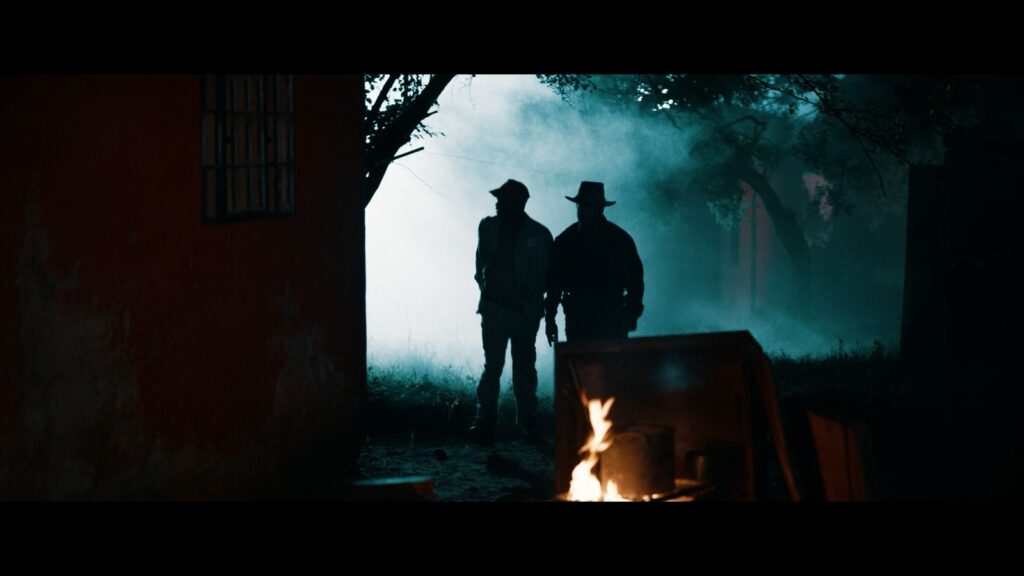
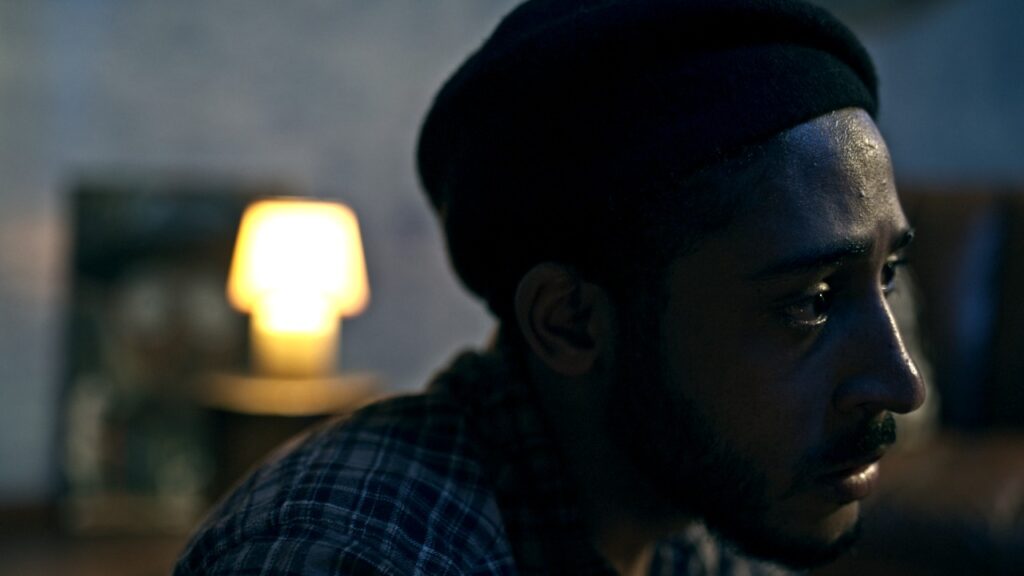
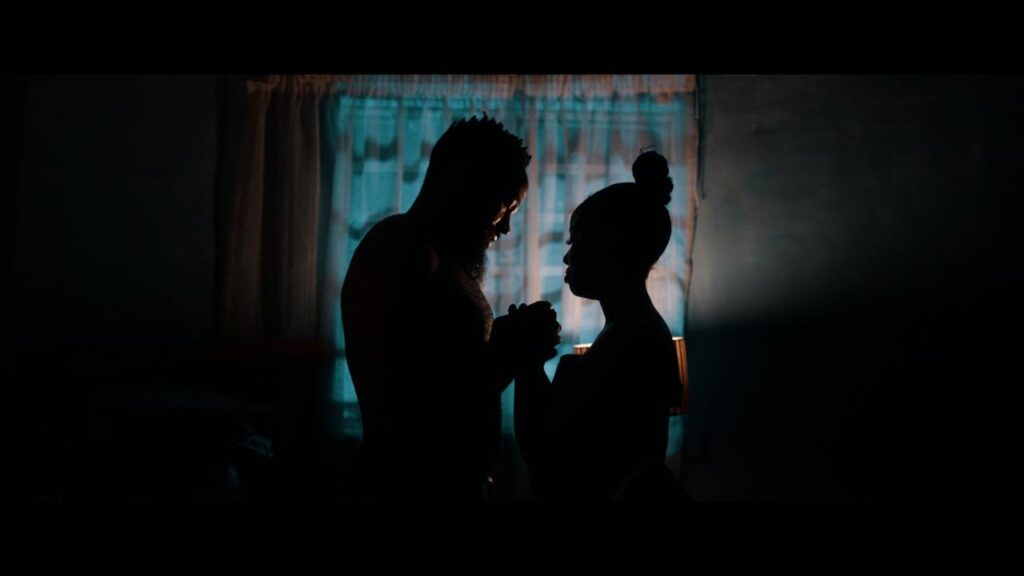
It’s loosely based on my life. I had a girlfriend I left in Durban when I moved to Joburg, and the relationship didn’t survive. I needed a film for my New York Film Academy application, something that showed struggle. The visuals came to me before the script. Music played a big role. I wanted to tell a story without dialogue through emotion, sound, and strong imagery. I wanted it to feel nostalgic. After making Toxic, which was performance-driven but visually weak, A LAMENT helped me find my visual language.
Your upcoming film has a striking title: My Mother Loves My Father, and That Makes Me Sad.
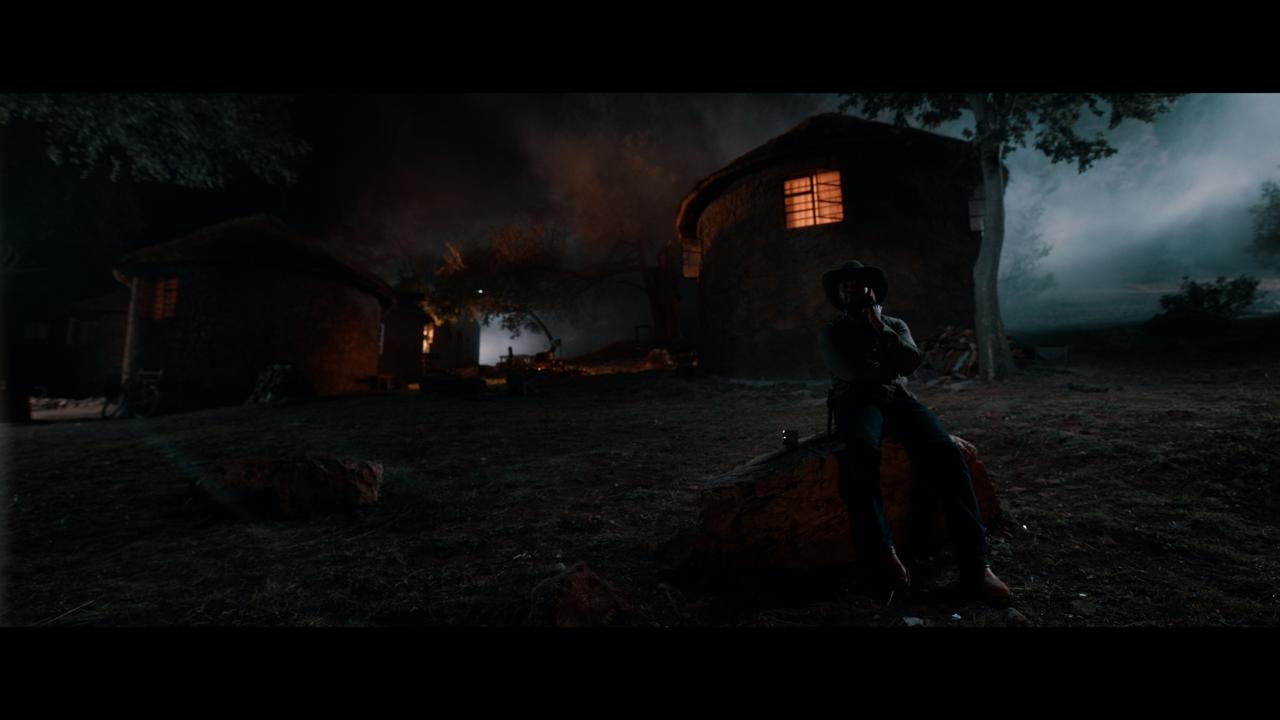
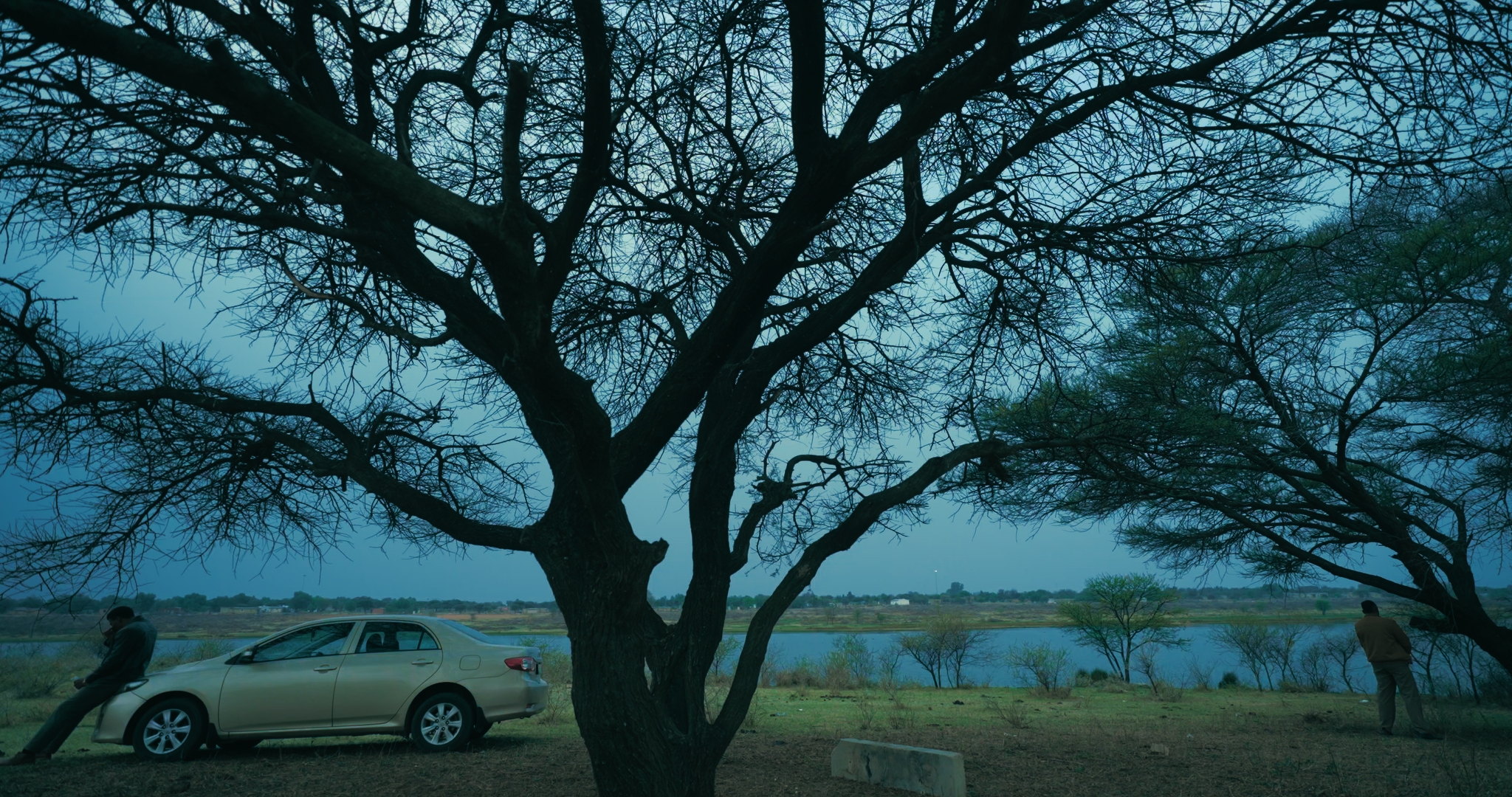
It wasn’t meant to be my second film. Originally, we planned a different project with R100,000, but the logistics fell through. So I quickly wrote this script. The idea was first inspired by a J. Cole song, and then I drew from my own life when shaping the characters. My mom was a nurse and my father was a policeman, I borrowed names, memories, emotions. The film explores unconditional love, but from a son to his mother. A young boy takes care of his alcoholic mother, who is still in love with a man who isn’t there. Every night she waits for him. He never comes. It becomes a cycle, until it eventually explodes.
Talk to me about your collaborations and your relationship with Mazi.
Honestly, I wouldn’t be where I am without Mazi. That’s my creative soulmate. We met while working at the Multichoice Talent Factory. We’ve written scripts together, watched films together, challenged each other. He’s invested financially in my directing craft, A LAMENT, My Mother Loves My Father. There’s no way to repay that. That’s my brother. I hated the film at first. I stopped working on it for six months. I thought I’d wasted R200,000. Then one night, around 2am, I revisited it and fell in love with it again. I finally saw its intention. It’s not perfect, but the performances are strong. It’s my best work in terms of directing actors and shaping the story. We’re planning to release it this year.
How do you balance indie work and television, especially around representation?
Indie gives freedom. TV gives stability. TV isn’t a director’s medium, it belongs to producers and broadcasters. But even on TV, you can still influence how Black people are portrayed, the details, the authenticity. Research matters. Listening matters. Being a working creative is a blessing. TV gives dignity, being able to work as a man, and take care of your loved ones. That’s dignity, at least to me. Indie gives voice. I’ve learned to balance both.
“We’re gonna be happy for a very long time.” It’s a state of mind.
What’s a quote you live by?
I have a few, but I’ll share two. The first is something I came up with: “We’re gonna be happy for a very long time.” It’s a state of mind. Film and TV have given me everything at such a young age. Being able to do what you love every day is a huge privilege, one I’ll never take for granted. So yes, we’re going to be happy for a very long time.
And then there’s “Chasing Glory.” I’ve lived by that since 2015. To me, it means God has shown me what I’m capable of so anything less than an international career would be a disservice to the gift He’s given me.


