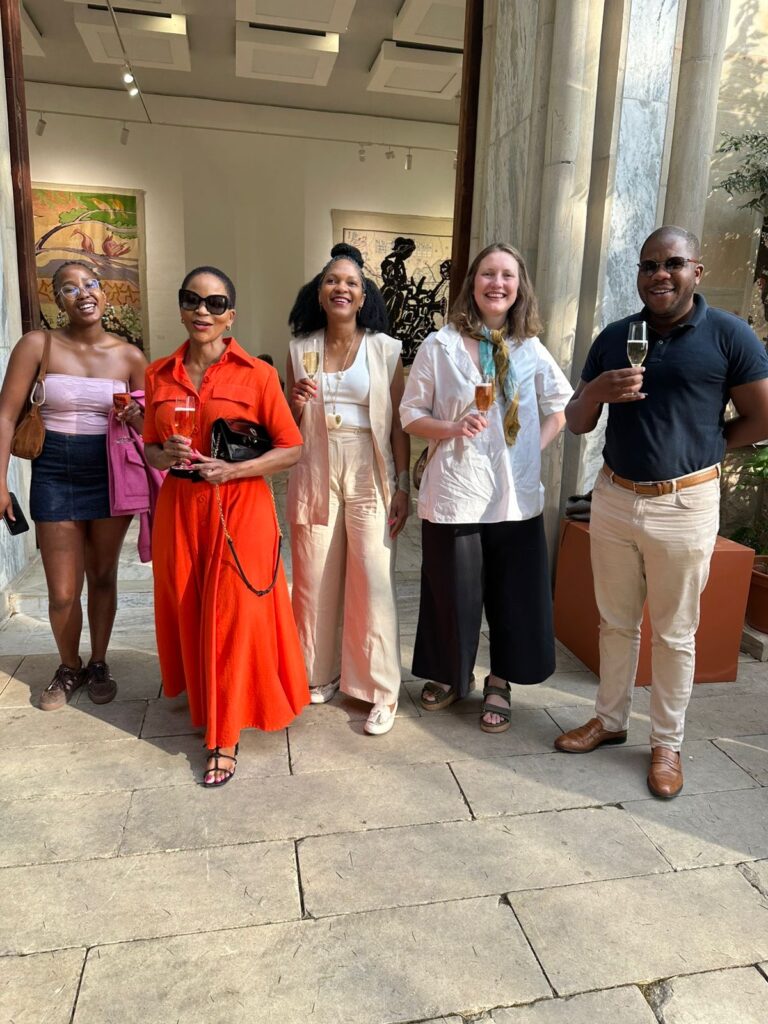
A stokvel for art lovers? Canvas Capital is making it happen
Interview by Anastatia Nkhuna
“Ke Stokie Stokvela” — don’t lie, you sang that with me. I used to love watching this sitcom. Stokvel arrived as more than just a TV show; it was a reflection of how South Africans have long understood wealth. Rooted in trust, shared goals, and the quiet power of collective contribution, the series takes a familiar financial system and transforms it into a layered story of friendship, ambition, and the delicate politics of money.
In a country where collective saving has long been a tool for survival, Canvas Capital reimagines the stokvel as a gateway into art ownership. Positioned at the intersection of culture, finance, and community, the platform is building a new generation of collectors, one rooted in accessibility, shared investment, and a deeper connection to the value of art. By translating a familiar financial model into the art world, Canvas Capital challenges exclusivity and opens up participation in an industry that has historically felt out of reach.
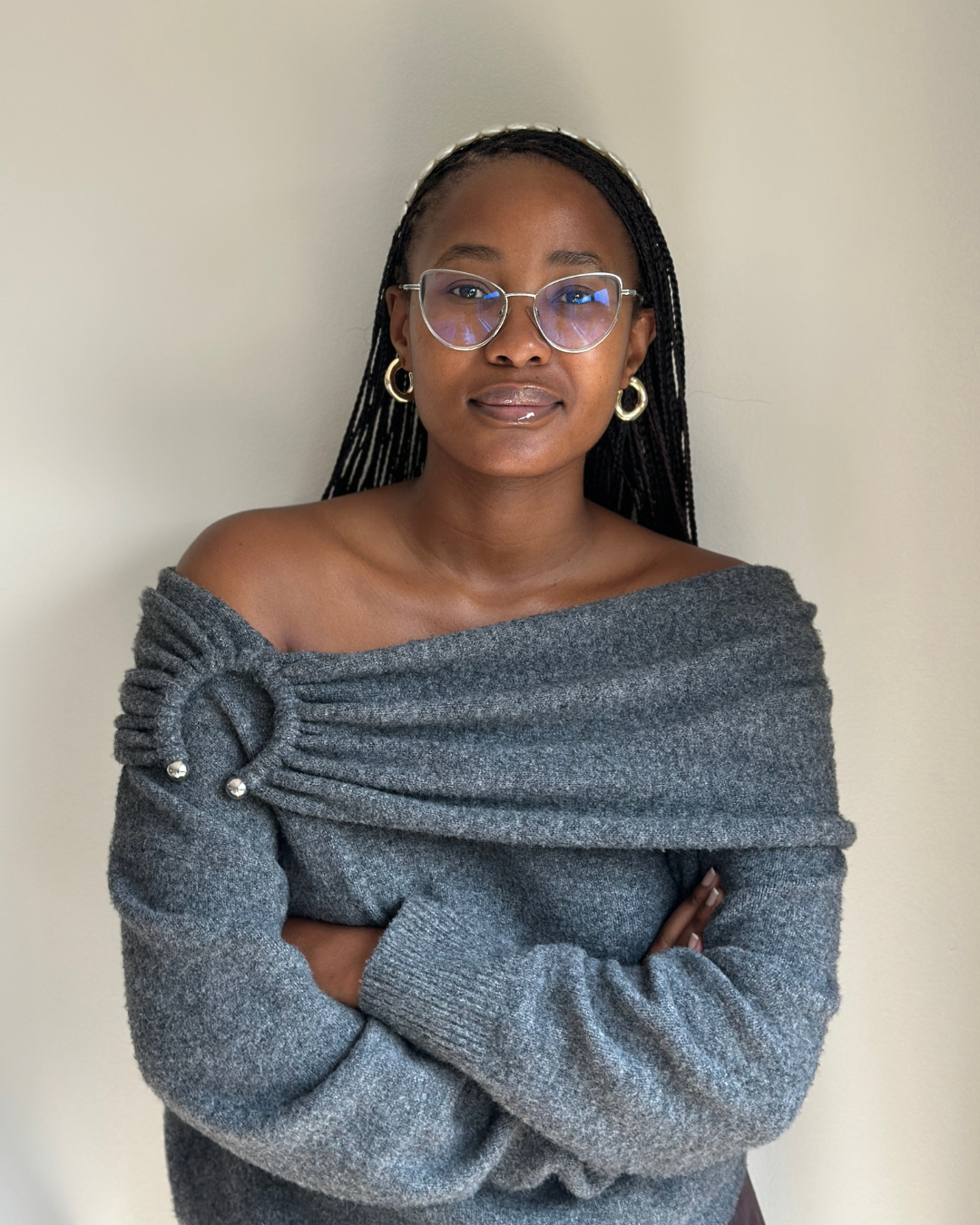
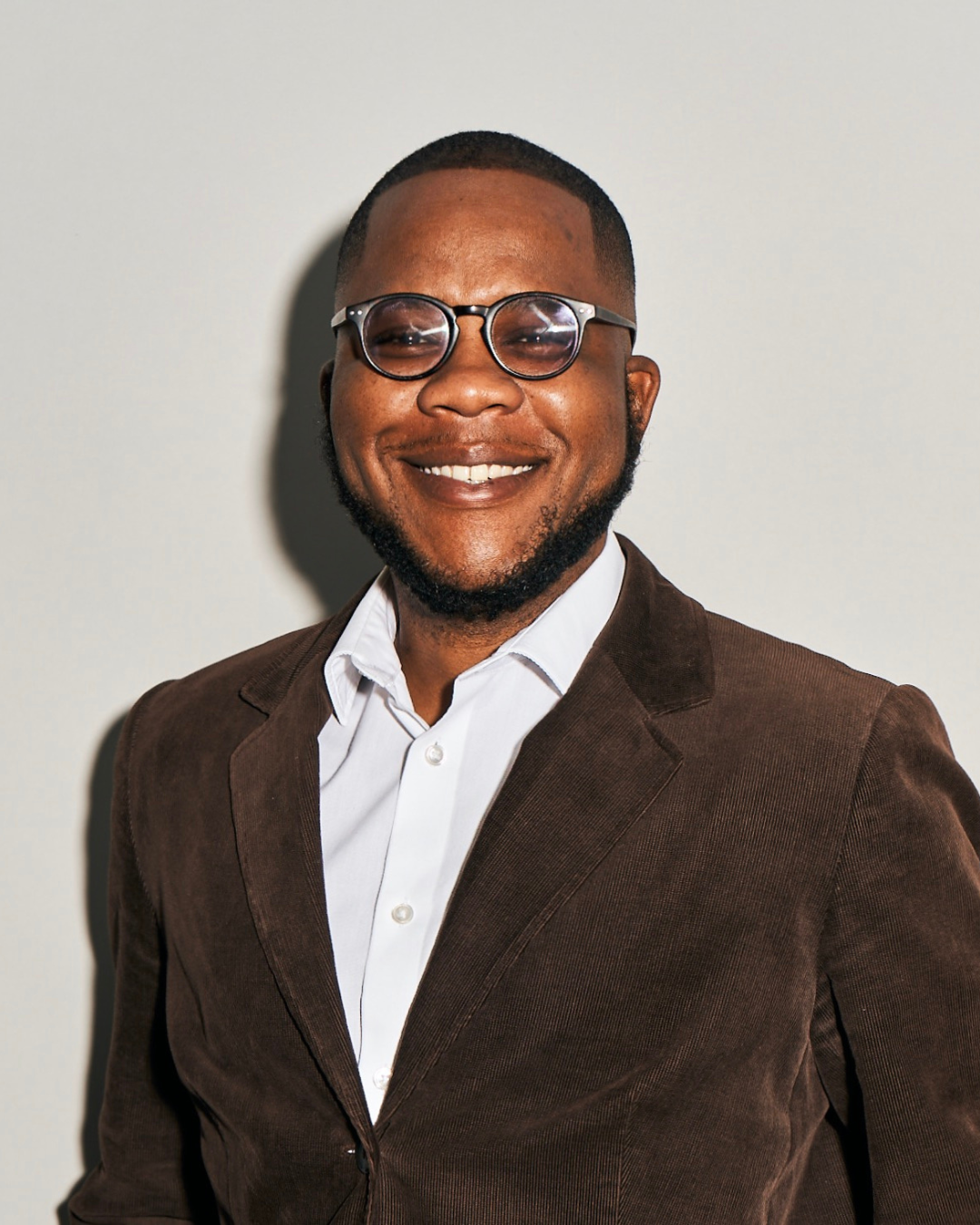
Founded by Motlhoki Nono and Tokelo Matlou, Canvas Capital sits at the intersection of art and finance. Motlhoki brings a deep understanding of artistic practice and the challenges faced by creatives, while Matlou contributes expertise in financial systems and accessibility. Together, they merge creative insight with structured financial thinking to reimagine how art can be owned, shared, and sustained.
You pride yourself in saying you’re South Africa's first digital art collection stokvel platform. Given the country’s deep history of collective saving and community-based investing, what inspired you to start Canvas Capital?
The idea came from a clear gap in the art market, people are interested in buying art but feel excluded by pricing. At the same time, stokvel culture has always been a trusted system for collective financial participation. Combining that with my experience in the arts and my co-founder’s fintech background, we saw an opportunity to use a familiar, community-driven model to make art collecting more accessible without compromising the value of artists’ work.
You mention “fractional art ownership” as part of your model. How do you see this shaping the future of art collection in South Africa?
Fractional ownership allows people to collectively access assets that would otherwise be unaffordable. In a tough economic climate, it lowers the barrier to entry while still enabling participation in the art market. The opportunity lies in leveraging community and shared resources but the challenge is ensuring people understand the value beyond aesthetics, and see art as both cultural and financial investment.
Building a vibrant collector community is central to your mission. What kinds of engagement opportunities do you offer?
We plug our members into what’s already happening in the art ecosystem. Gallery openings, talks, exhibitions rather than recreating it. Alongside that, we offer art education and advisory sessions, creating spaces where members can learn, ask questions, and build confidence. It’s about making the art world feel accessible and social, not intimidating.
Your onboarding starts with a consultation. What do prospective members usually want to know, and how do you tailor their journey?
We work with a mix of people, some experienced, some completely new. Most questions revolve around affordability, understanding the art market, and what they should be collecting. From there, we tailor guidance based on their knowledge, taste, and goals whether that’s sourcing specific works, building foundational knowledge, or curating pieces for their homes.
Art collecting is often seen as exclusive. How are you actively dismantling that perception? & Can you share a success story of someone becoming a collector through your platform?
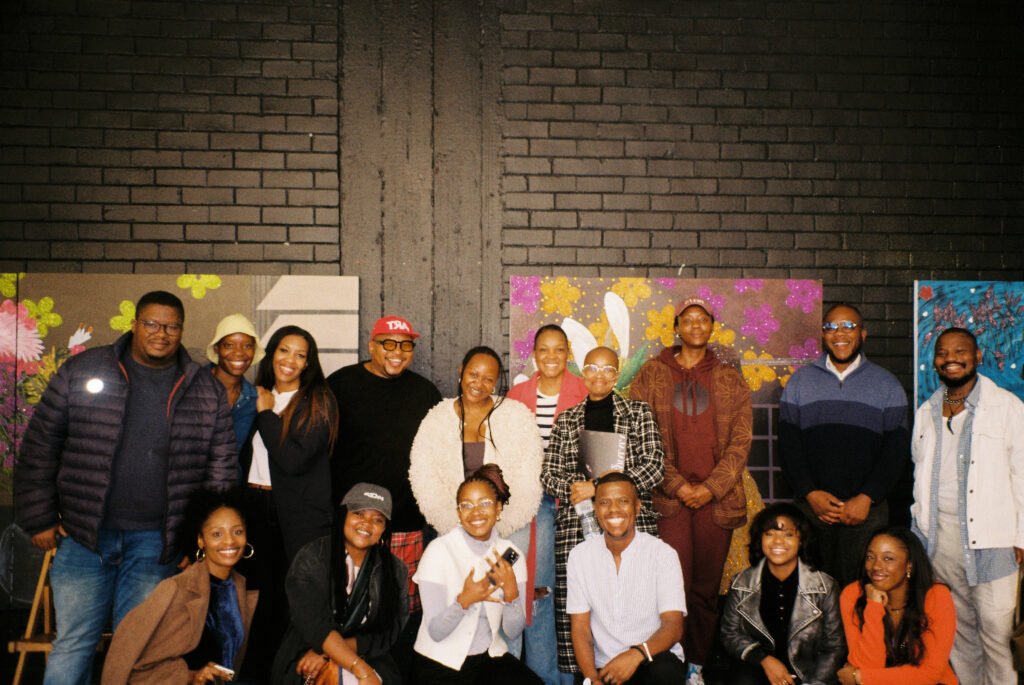
The stokvel attended the FNB Art Fair last year, and collectors shared that although they have been attending the fair for several years, this was the first time they felt truly oriented, as they were experiencing it as a community. One collector mentioned that, for the first time, they approached the fair with intention, as they had a stokvel budget set aside specifically for purchasing art, something they had never had before. We’ve found that the stokvel gives people a strong sense of purpose and intention in how they navigate the industry, and that has been our greatest success.
By creating entry points that are financially accessible and community-driven. We also meet people where they are, whether they’re highly knowledgeable or completely new and guide them without imposing a singular taste or hierarchy. It’s about shifting art from something intimidating to something participatory.
Looking ahead five years, how do you see this model evolving? And are there opportunities for cross-country collaborations?
The model is designed to grow it’s not a once-off intake, we’re continuously onboarding new members and expanding the collector base. Long-term, we see opportunities to scale across cities and into the continent, building networks of collective ownership. The potential for cross-country and diaspora collaborations is huge, especially as more people begin to engage with art through shared investment models.
iQHAWE Magazine is centered on celebrating and representing emerging creative communities while also closing the divide between emerging creatives and their respective industries.