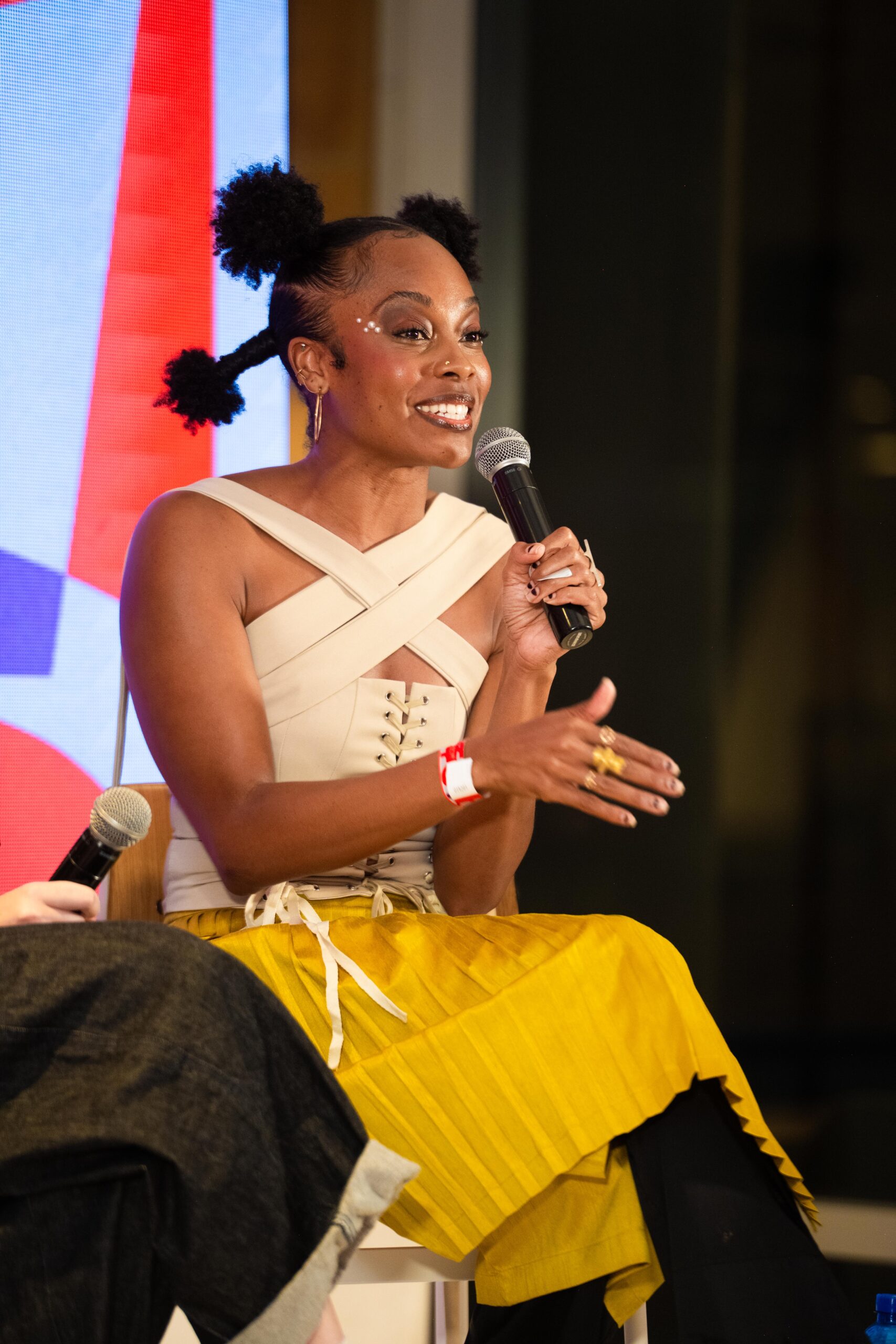
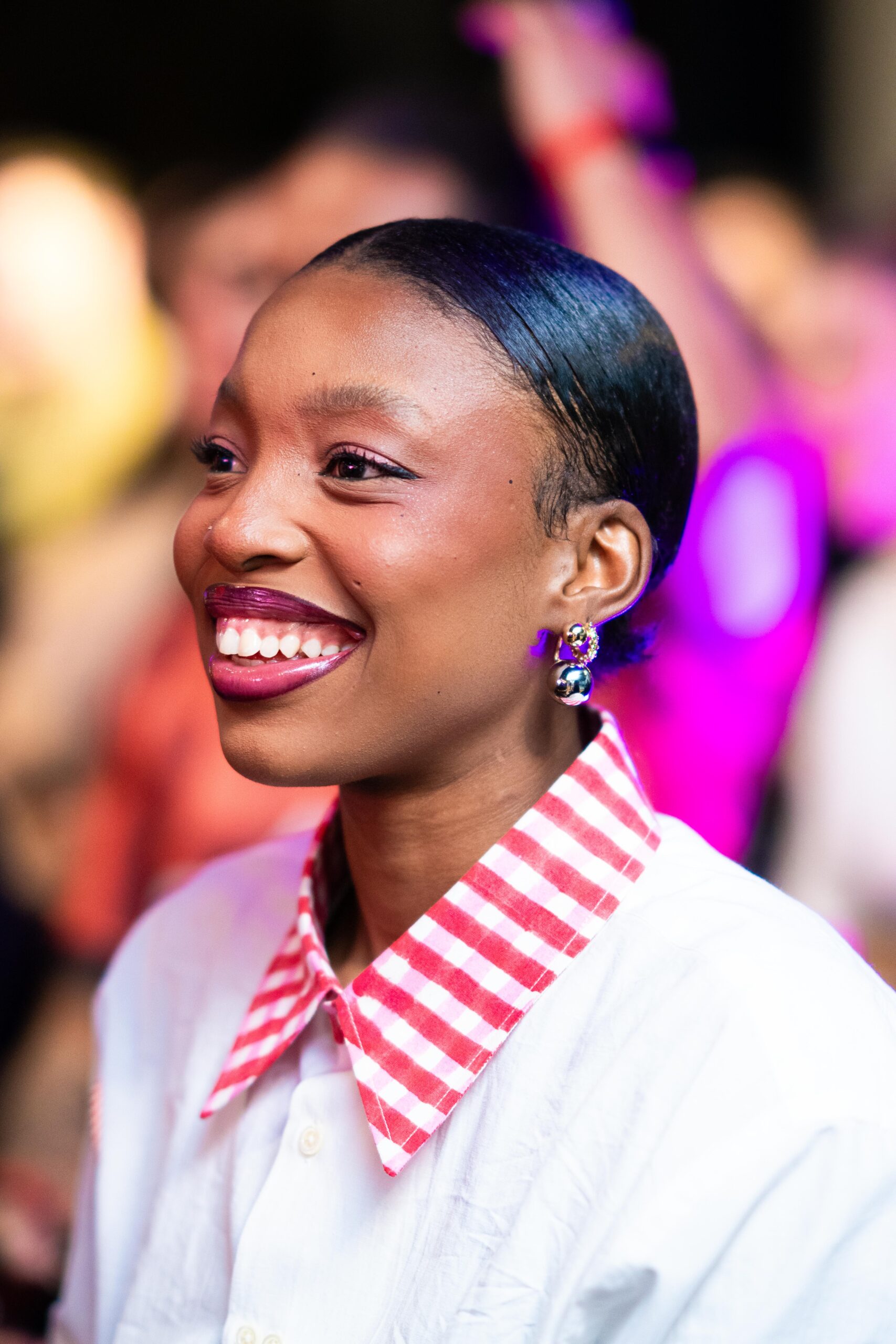
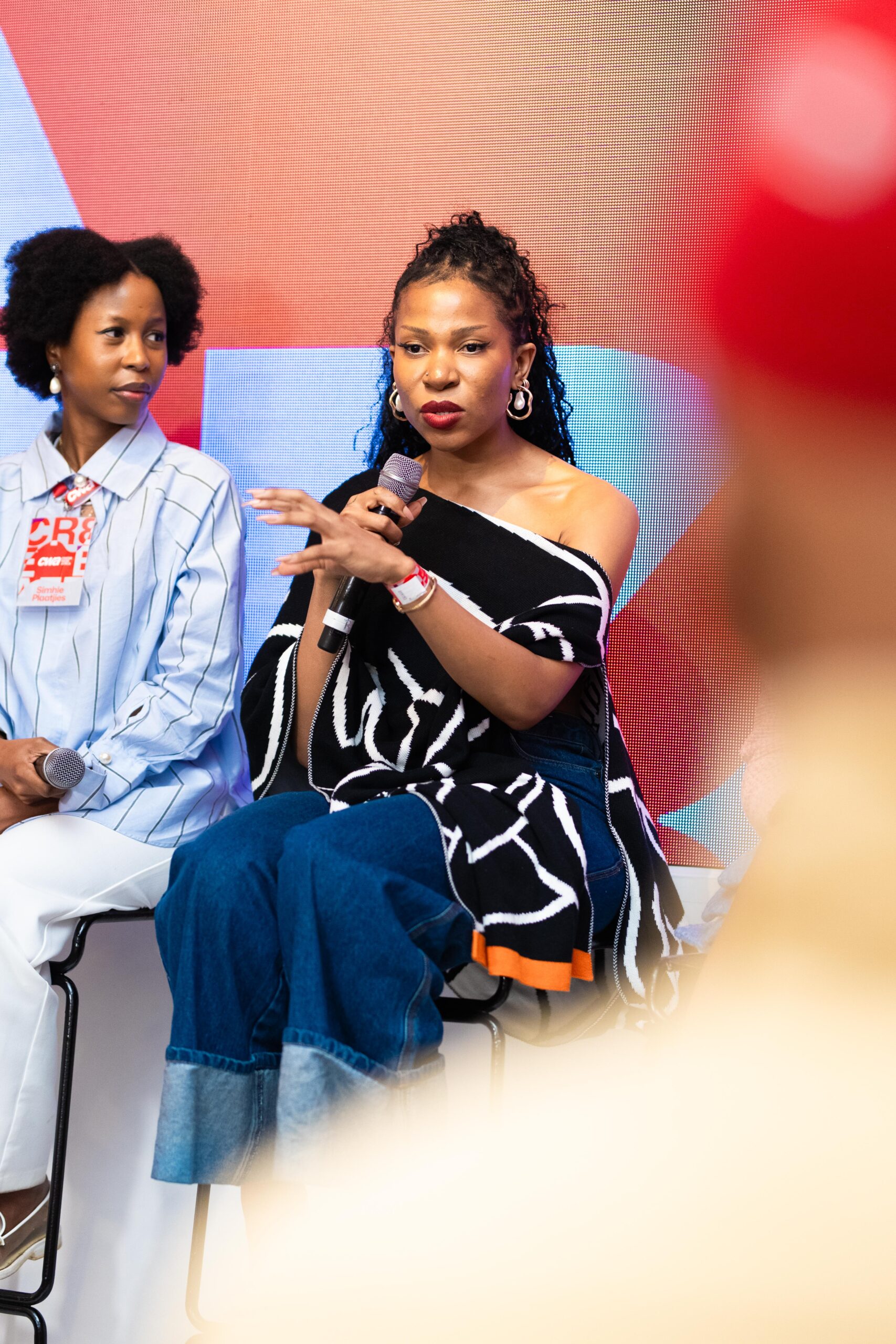
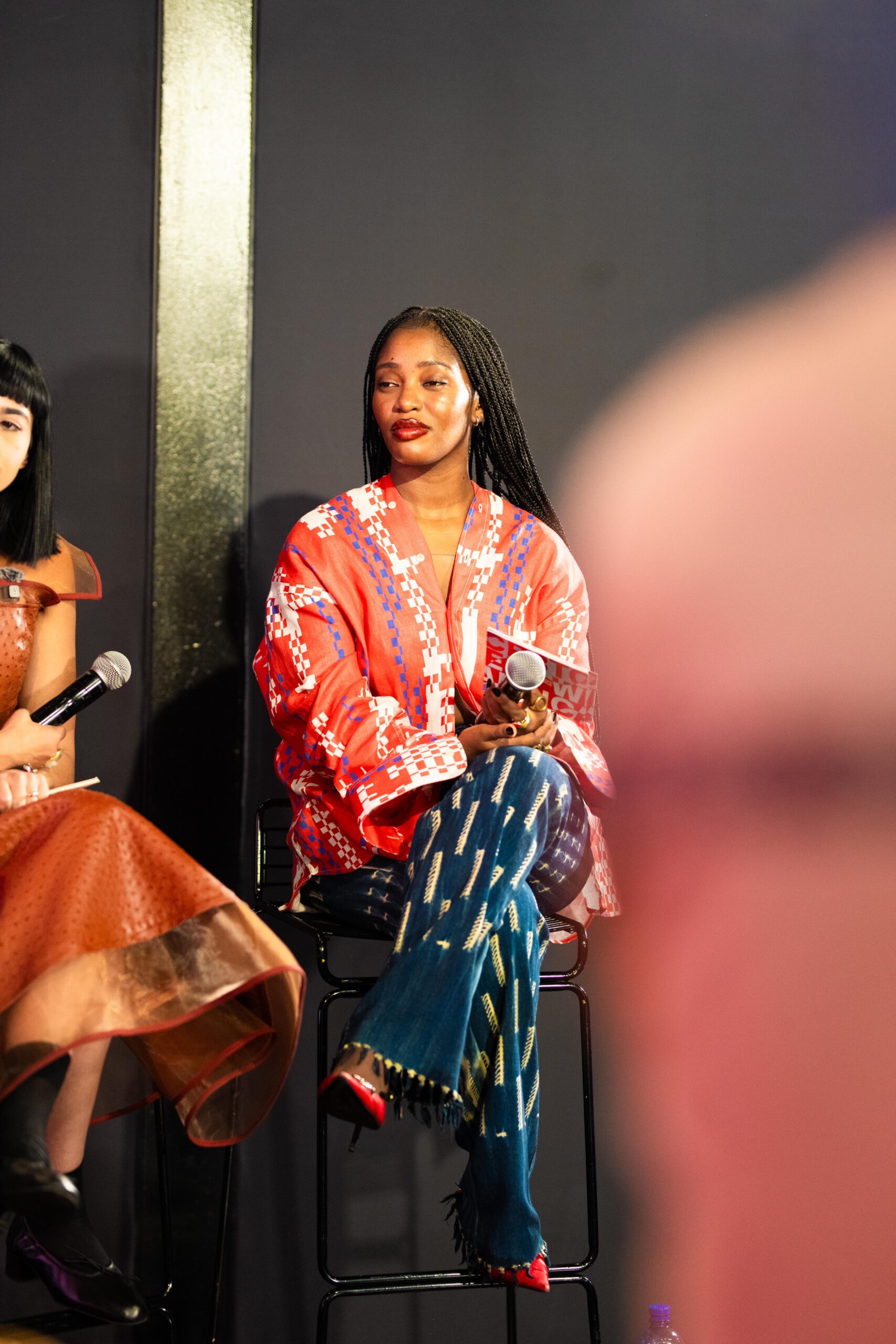
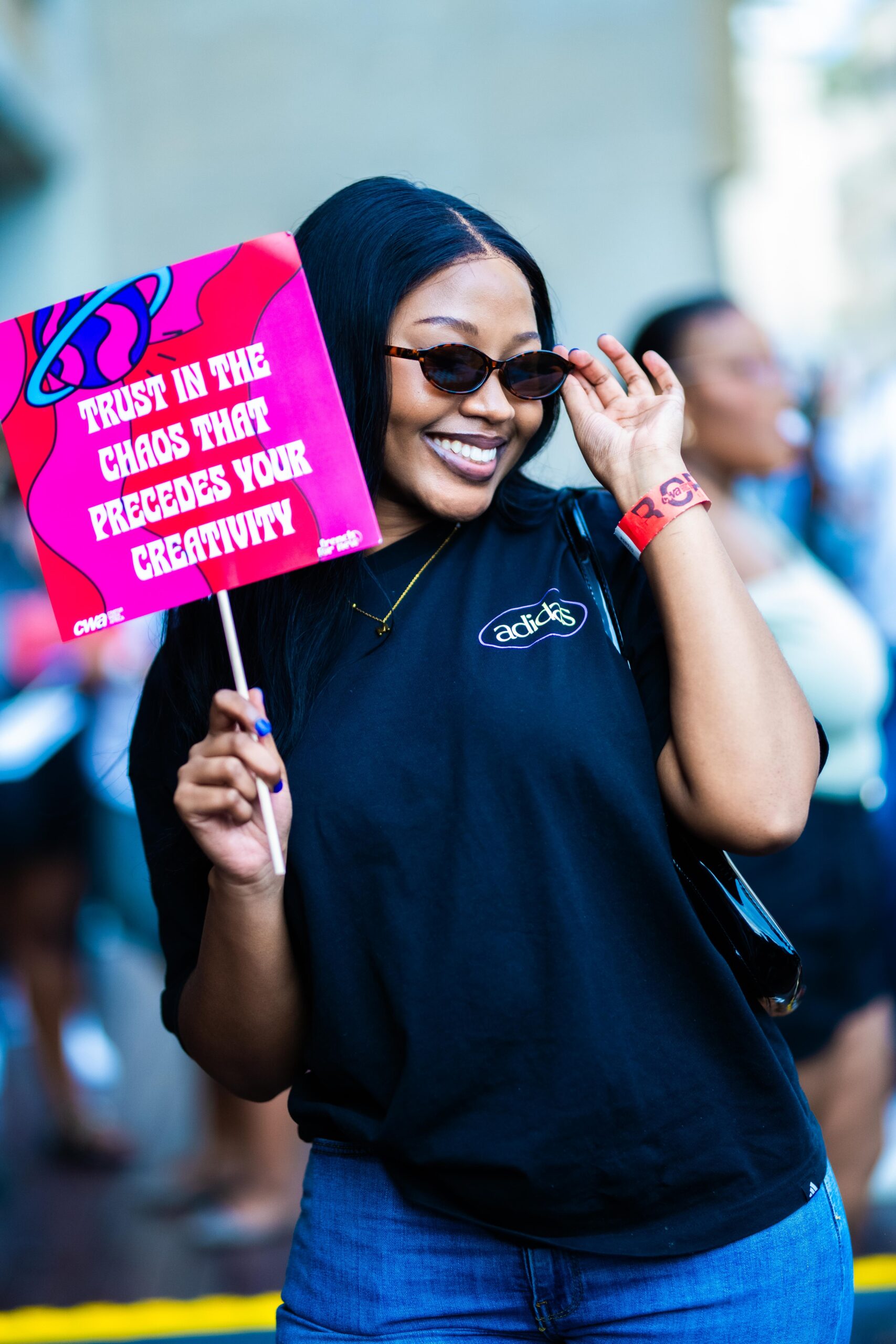
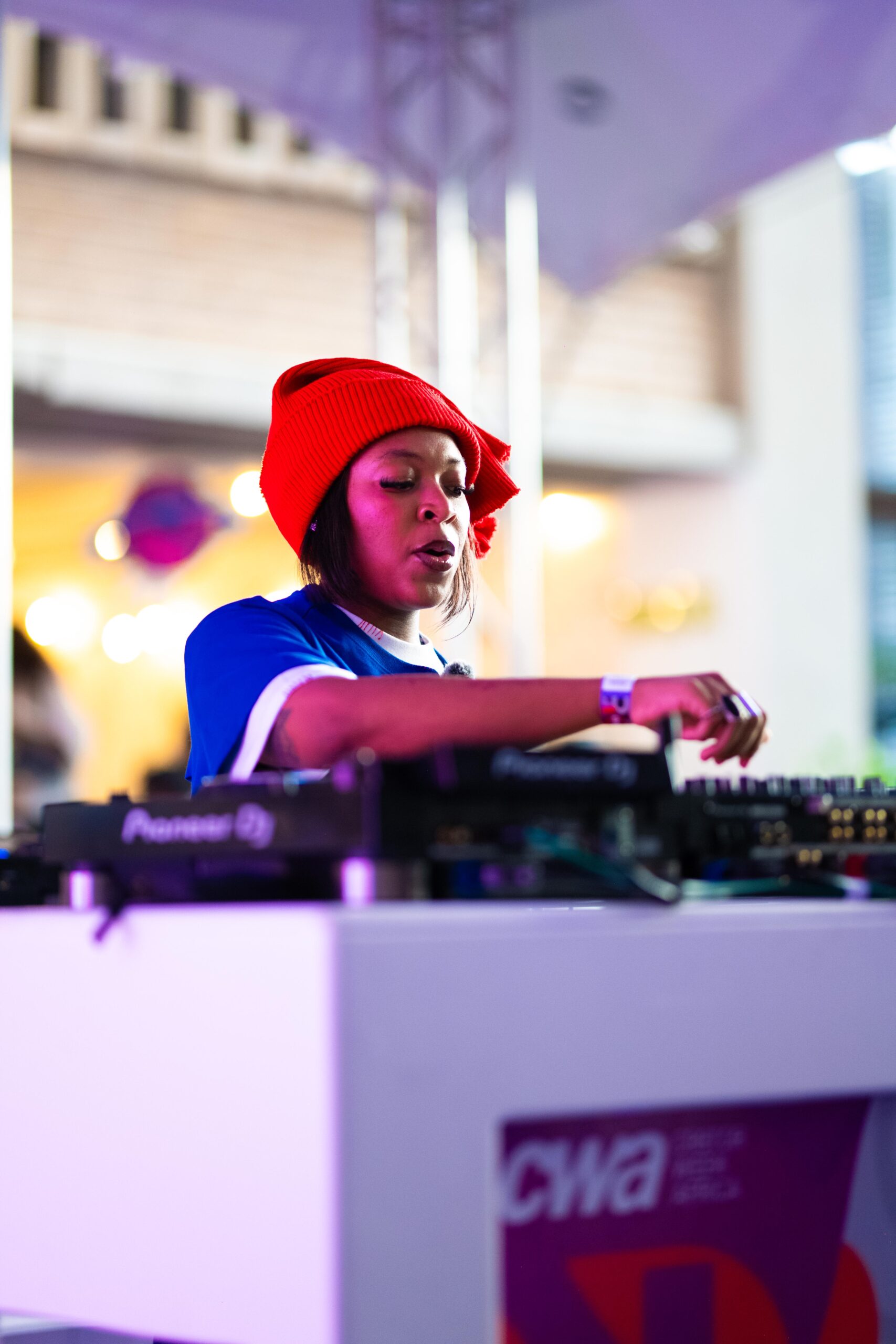
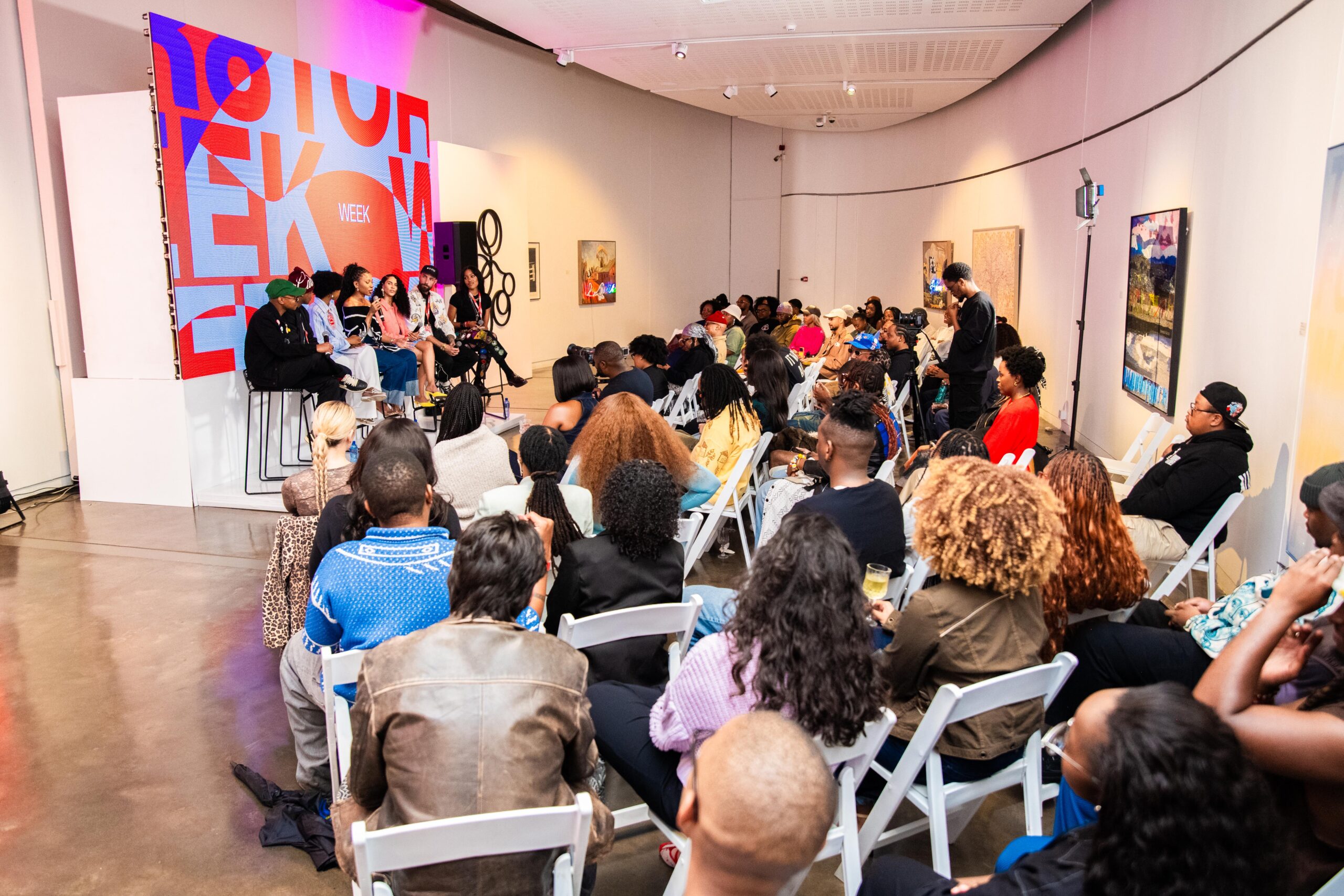
There are moments where you can feel a shift happening in real time. CR8TOR Week Africa 2026 was one of those moments.
Held in Johannesburg from 24–29 March, the inaugural edition of this now-expanded platform marked more than just a gathering, it signaled a recalibration of how Africa’s creative economy sees itself, and how it wants to move forward. What began as CR8TORCON has grown into something far more expansive, a continental ecosystem built for Creators, by CR8TORS.
This evolution matters. It reflects a deeper understanding that creativity in Africa is no longer just expressive, it is infrastructural. It builds industries, shapes economies, and defines cultural identity at a global scale.
Across the week, the energy was clear: creators are no longer asking for space, they are building their own. CR8TOR Week Africa didn’t follow a single format. It moved. It stretched. It existed across disciplines.
From immersive talks and panel discussions to DJ sets, showcases, and networking sessions, the experience blurred the line between conference and cultural happening. There were conversations led by voices like Sean Brown, Nene Mahlangu, Simhle Plaatjies, and Jena Dominique each bringing lived experience into dialogue, grounding theory in practice. But more than the names, it was the exchange that mattered. The quiet conversations in between panels. The spontaneous connections. The kind of networking that doesn’t feel transactional, but necessary.
What stood out most was the refusal to silo creativity. Music, Fashion, Art, Design, Corporate these weren’t separate verticals. They existed in conversation with each other. The week became a living ecosystem where collaboration wasn’t encouraged, it was inevitable.
This is where CR8TOR Week Africa found its strength. Not in presenting finished work, but in exposing the process. In showing how ideas move from concept to culture.
Hosting the first edition in Johannesburg felt intentional. The city has always existed as a cultural nerve centre fast, layered, constantly negotiating identity. CR8TOR Week Africa didn’t try to redefine Joburg; it amplified what was already there.
In doing so, it positioned the city as a key node within the global creative landscape, reinforcing Africa’s growing influence across storytelling, media, and innovation.
If there was one underlying thread across the week, it was this: the creator economy is maturing. There is a move away from surface-level output towards purpose-driven work, sustainable models, and culturally grounded storytelling. Creators are thinking beyond visibility. They are thinking about ownership. Infrastructure. Longevity. And perhaps most importantly, they are thinking collectively.
CR8TOR Week Africa didn’t end when the programme did. Its real impact lives in what follows the collaborations sparked, the ideas carried forward, the networks that continue to build beyond the rooms they were formed in.
Because ultimately, this was never just about a week. It was about setting a precedent. A reminder that Africa’s creative future is not something to wait for. It is something already in motion.
iQHAWE Magazine is centered on celebrating and representing emerging creative communities while also closing the divide between emerging creatives and their respective industries.