

How Is Freedom Remembered, Documented, Embodied, And Passed On Across Generations?
Written by Renaé Mangena
Day 1 of Basha Uhuru Creative Week invites audiences into an exploration of the stories, memories, and struggles that have shaped South Africa’s ongoing journey toward freedom. Through a compelling programme of film screenings, archival storytelling, and artistic expression, the day interrogates themes of identity, resistance, womanhood, memory, land, and queer liberation. Bringing together filmmakers, artists, cultural practitioners, and audiences, the programme asks an urgent question: How is freedom remembered, documented, embodied, and passed on across generations? Through intimate personal narratives and collective histories, these works explore the ways in which memory itself becomes a site of liberation, challenging erasure, reclaiming narratives, and imagining new futures. This curation creates a space for reflection, remembrance, dialogue, and a deeper engagement with the cultural archives that continue to inform our present and shape our future.
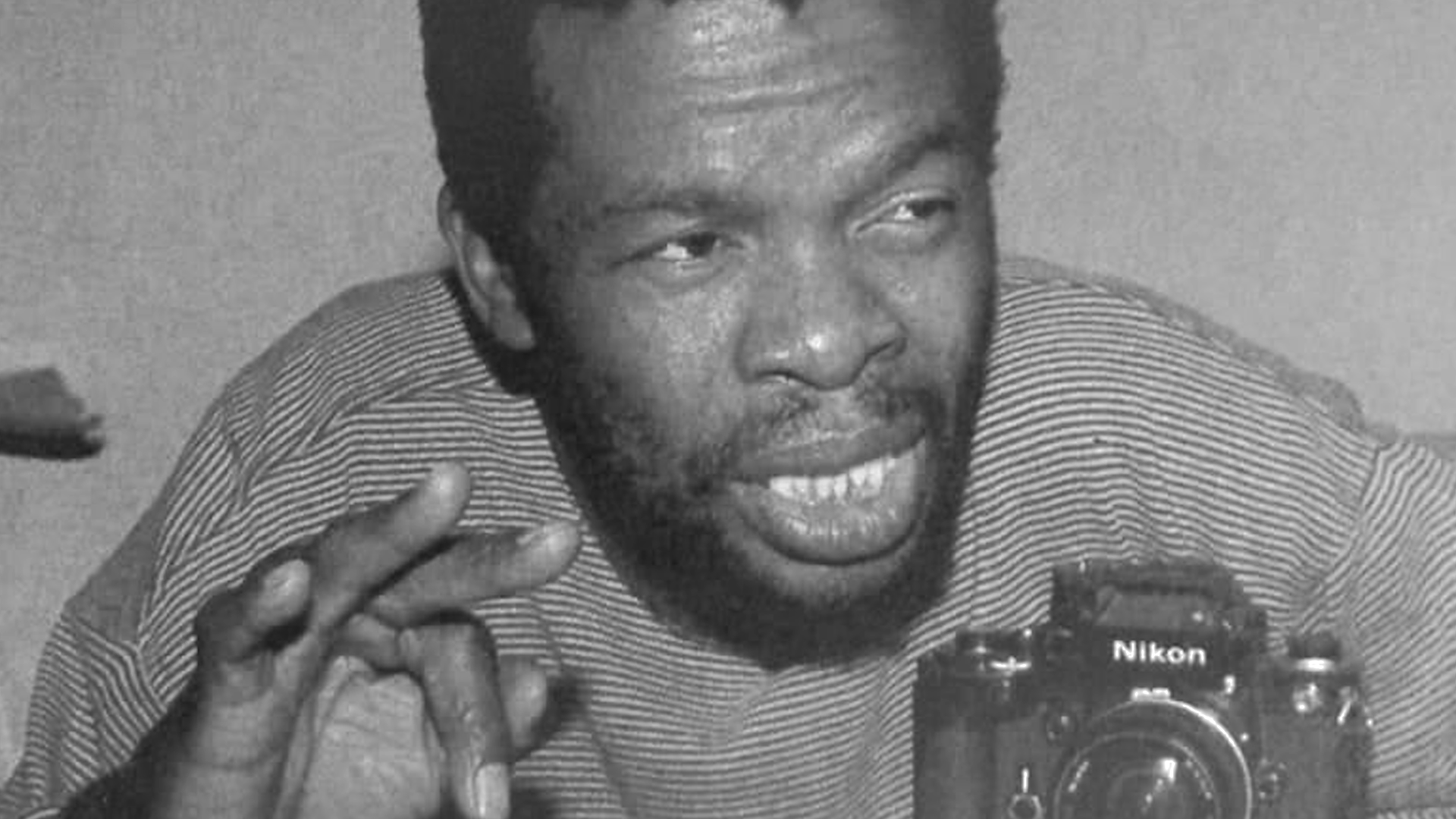
Sam Nzima: A Journey Through His Lens (2024) Director: Nhlanhla Mthethwa
Going behind the lens of one of history’s most recognised photographs, Sam Nzima: A Journey Through His Lens traces the extraordinary life of photojournalist Sam Nzima, whose iconic image of Hector Pieterson during the 1976 Soweto Uprising exposed the brutal realities of apartheid to the world.
The documentary follows Nzima’s journey from rural Transvaal to becoming one of South Africa’s most influential journalists. It explores the profound impact of his work, the political consequences he endured including forced exile and the complexities surrounding ownership and representation of Black narratives. Through rare archival material, exclusive interviews, and deeply personal accounts, the film reveals the immense power of a single image and the sacrifices made in pursuit of truth, justice, and freedom.
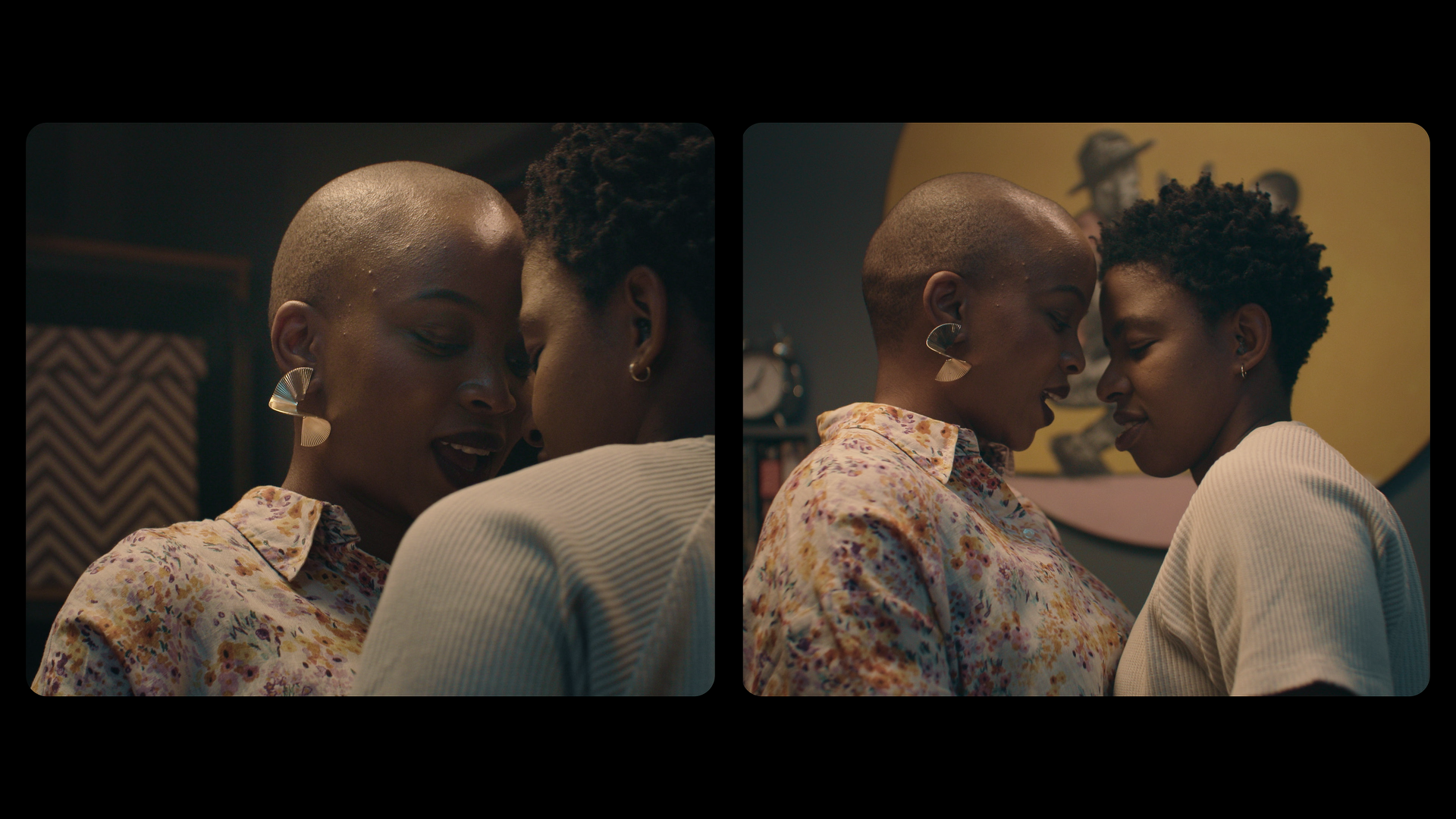
Blind Spots, Director: Miselwa “Missy” Ngamlana
Blind Spots follows the intertwined lives of Nandi and Sinethemba, two women navigating love, vulnerability, and self-discovery in the age of digital connection. Nandi, a charismatic yet restless graphic designer, drifts through a series of fleeting romances while searching for something more meaningful. When she meets Sinethemba a free-spirited yet enigmatic woman carrying her own hidden wounds, their connection is immediate and profound.
As their relationship deepens, unspoken truths and lingering insecurities begin to surface. Through moments of tenderness and tension, the film examines the complexities of modern intimacy, exploring how past experiences, personal fears, and social façades shape the ways we love and connect. Caught between the comfort of familiarity and the uncertainty of new love, both women are ultimately forced to confront their own blind spots in order to truly see one another.
Ekstasis, Directed by Emilie Petra Badenhorst | Co-Directed by Kanya Viljoen
Set in the fishing town of Velddrif, ekstasis is a lyrical coming-of-age story that explores love, intimacy, loss, and belonging through the eyes of a young woman navigating a blossoming relationship with her best friend while witnessing the dissolution of her parents’ marriage.
Through its exploration of multilingualism, Afrikaner culture, and LGBTQIA+ identities, the film examines what it means to exist between worlds and within the social borders that define contemporary South Africa. Badenhorst and Viljoen use the landscape of the young female body as a lens through which to investigate identity, desire, and the search for connection. The result is a nuanced reflection on the complexities of growing up and finding oneself within intersecting cultural and personal realities.

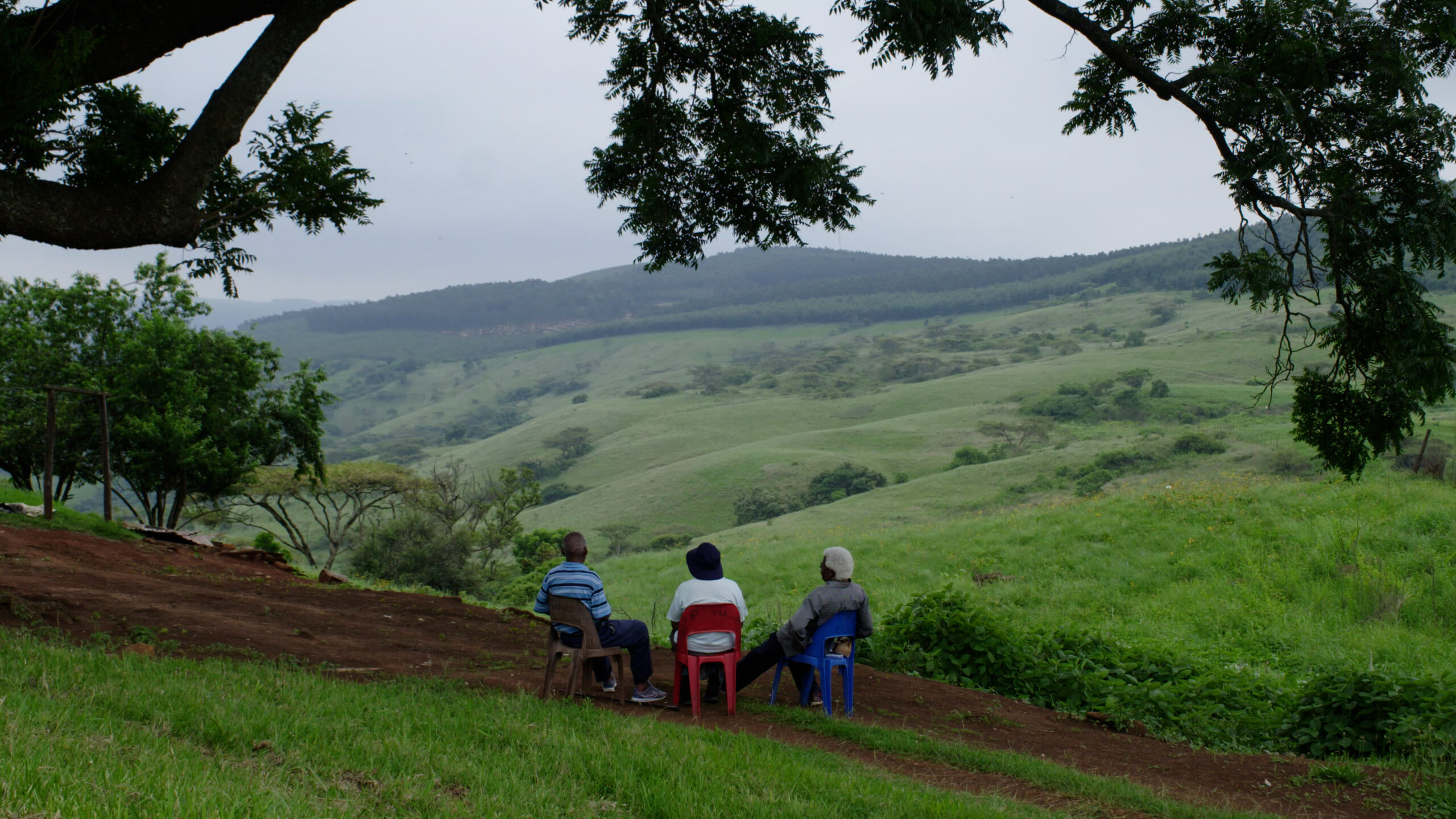
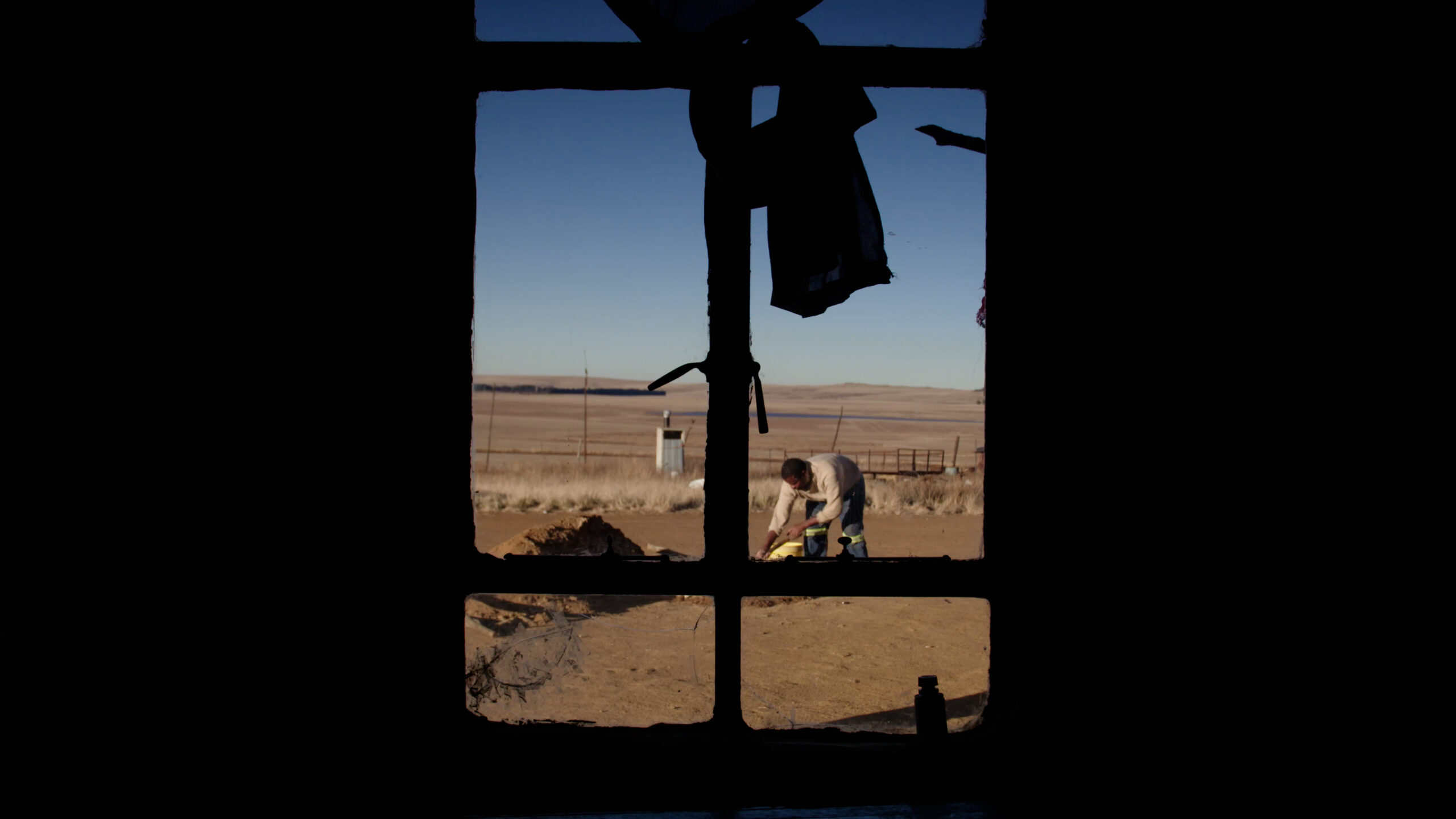
Mathonga Elizwe, Director: Tsogo Kupa
Mathonga Elizwe chronicles the lives of Black families who continue to live under conditions of dispossession on white-owned land in South Africa. Through intimate storytelling, the film sheds light on the enduring legacy of land theft, the loss of ancestral territories, and the ongoing struggle for land justice and restitution. At its heart, the film is a powerful meditation on memory, belonging, and the unfinished project of freedom in post-apartheid South Africa.
UBANI LORE? Director: Nqanawe Shangase
Three eccentric friends embark on a quest to find a book that doesn’t exist. Part surrealist comedy, part cultural excavation, UBANI LORE? follows three close friends as they uncover forgotten and often overlooked moments of South African popular culture. Through humour, absurdity, and nostalgia, the film celebrates the richness of local lore while questioning how stories are remembered and why some are forgotten.
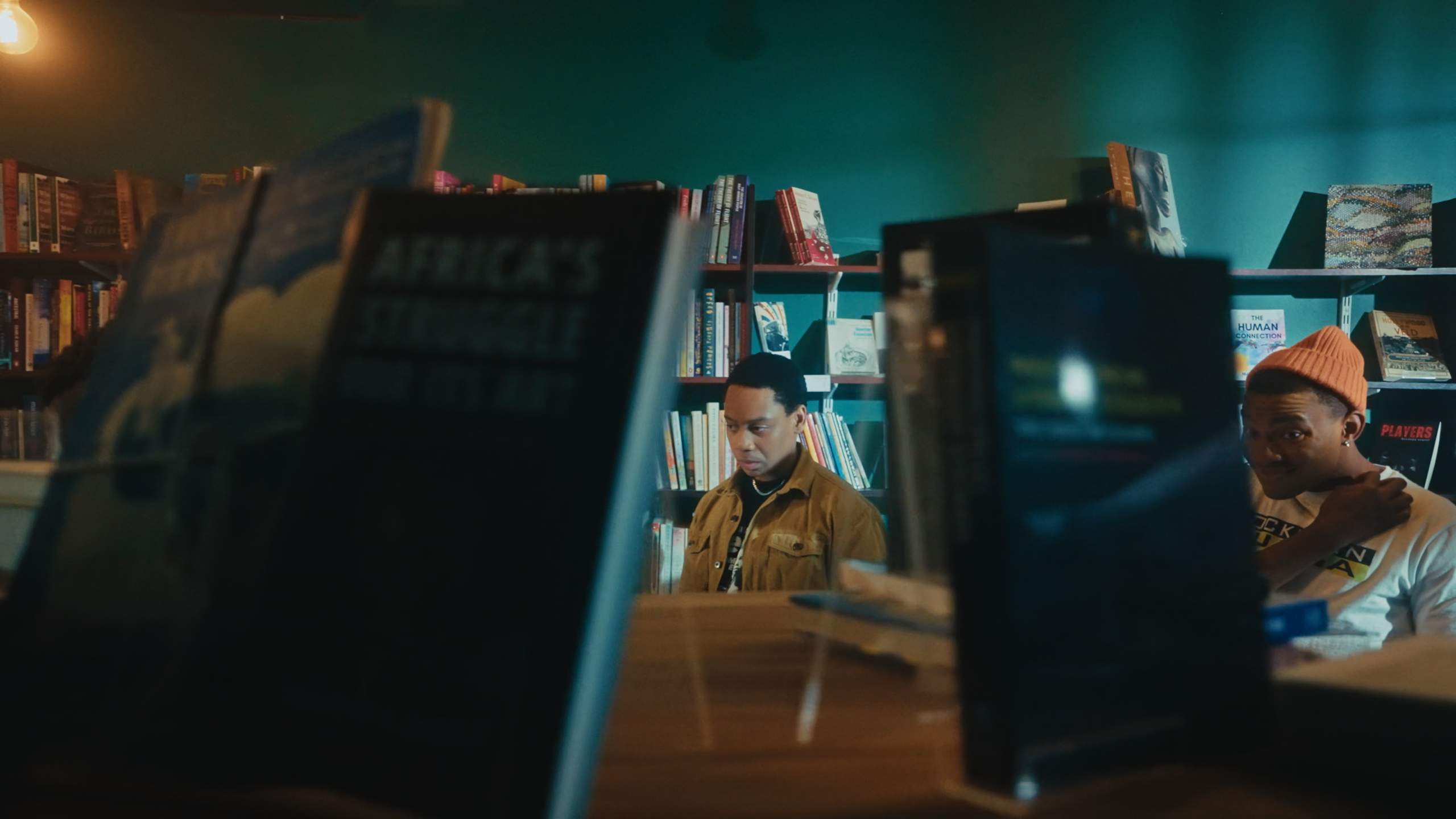
What Did You Dream? Director: Karabo Lediga
Set during the summer school holidays of 1990, on the cusp of South Africa’s democratic transition, What Did You Dream? follows 11-year-old Boipelo as she spends her holidays at her grandmother’s home in Atteridgeville.
As the country stands on the threshold of profound change, Boipelo grapples with transformations in her own life, including the prospect of attending a multiracial school for the first time. Amid everyday routines, family tensions, and the looming presence of her grandfather’s declining health, she becomes preoccupied with one troubling reality: she can no longer remember her dreams.
When her grandmother continues her cherished ritual of asking about those dreams for use in the local Fahfee lottery, Boipelo embarks on a heartfelt mission to dream again seeking not only to comfort her grandmother but also to hold onto a sense of belonging before everything changes. Tender and nostalgic, the film reflects on memory, family, and the uncertainties of transition.

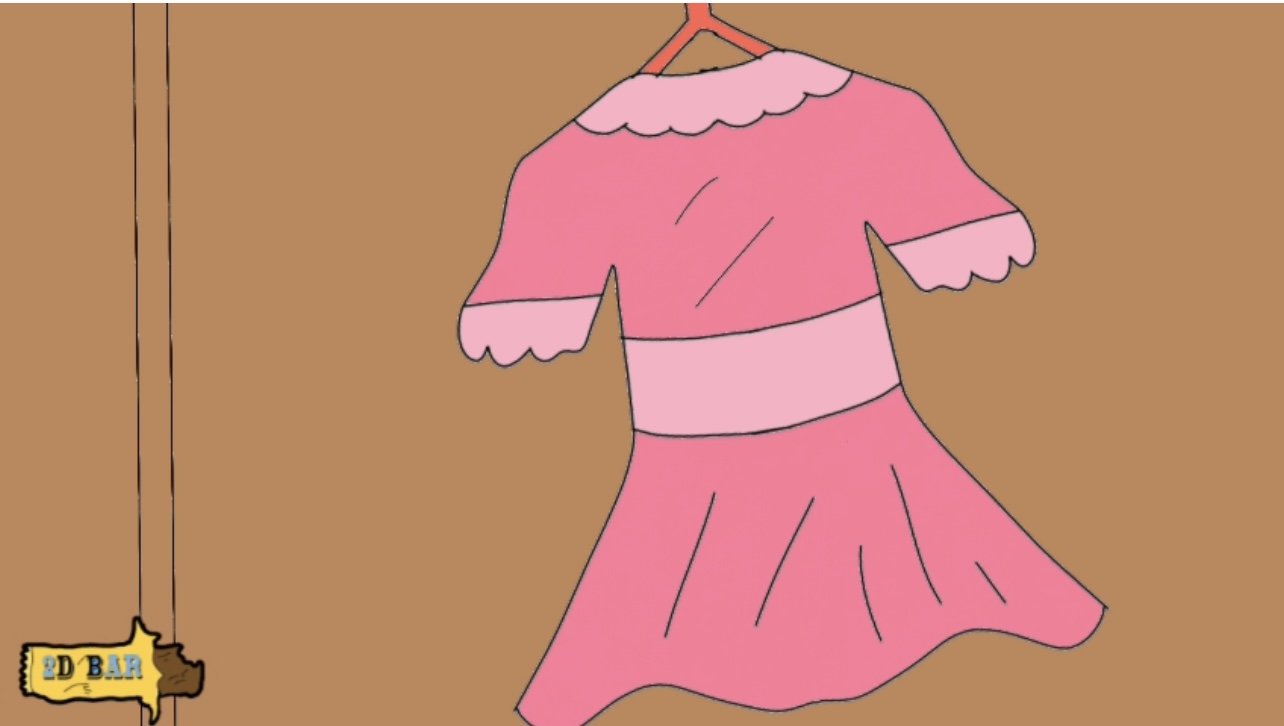
Sipho’s Pink Dress by Tshegofatso Magolego
Adapted from the acclaimed children’s book by Tshegofatso Magolego, Sipho’s Pink Dress is a moving short drama that celebrates identity, self-expression, and belonging.
The film follows young Sipho, whose joy in wearing his favourite pink dress is met with ridicule, exclusion, and pressure to conform. As he navigates a world determined to dictate who he should be, Sipho must find the courage to embrace his authentic self despite societal expectations and prejudice.
Through stories of remembrance, identity, land, and self-determination, this curation invites audiences to consider how liberation continues to be imagined, contested, and lived today. Together, these films create a rich tapestry of memory and possibility, reminding us that freedom is not only inherited it is continuously made, remembered, and reclaimed.
Date: 25 June 2026
Time: 17:00 – 21:00
Entry: FREE (Registration Essential)
Secure your spot today – https://bashauhuru.co.za/

Leave a Reply