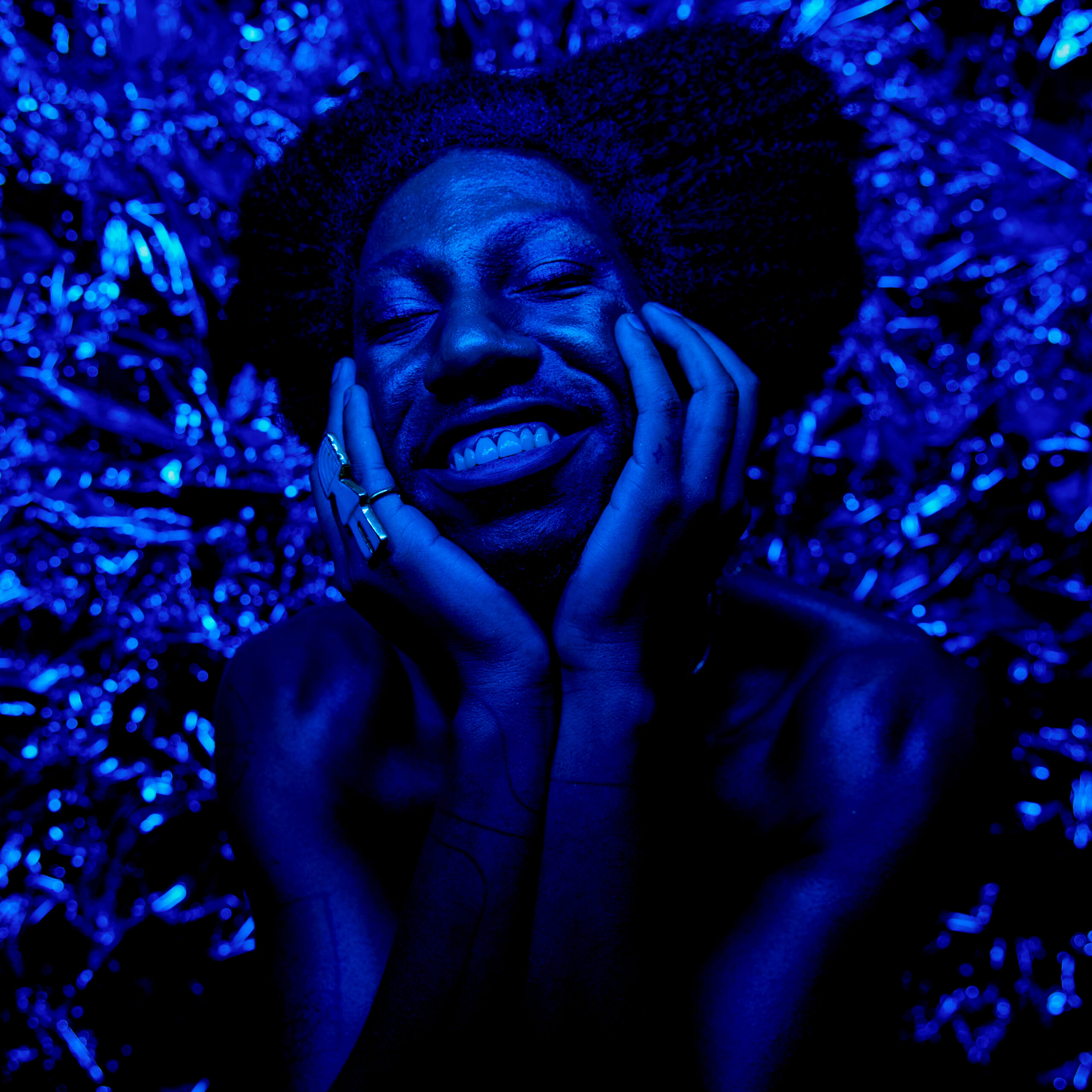
For Musa Keys, performance has always been about more than what happens behind the decks. It is physical, demanding and built on the kind of stamina that allows him to move from studio sessions to stages across the world without losing momentum. As his career has evolved, so too has his understanding of the body and mind as instruments that require the same discipline as his music.
It’s a philosophy that finds common ground with Under Armour, a brand built around helping athletes and performers push further when conditions become more demanding. Through innovations such as HeatGear, designed to support performance as things heat up, the brand continues to build a world where movement, focus and self-improvement are inseparable.
For Musa, that pursuit has become increasingly personal. Training has helped him rethink not only how he performs, but how he approaches pressure, creativity and the person he is becoming. In this conversation, the “Tsonga Michael Jackson” reflects on growing up surrounded by music, discovering the keys in church, the evolution from TAYO to Xigubu, and learning to become comfortable with the discomfort of reinvention.
“I have to let go of the old version of myself, work on a new version, and learn to get comfortable with being uncomfortable.” – Musa Keys
You grew up in Giyani and later Polokwane. Please paint a picture of what your childhood looked like. What did those environments give you creatively that you still recognise in yourself today?
To be quite honest, I grew up in Giyani, but not for the majority of my life. That was before Grade R, and then when I started Grade One, I moved to Polokwane. I feel like that’s where my life really started to take shape. But coming from Giyani, I grew up around a lot of music. You would almost think families were in competition on the weekends because every other household would be playing music out loud. As you walked down the road, you’d hear something different coming from each house.
That’s actually how I came to know certain artists, because their music was played so much. You could walk past five different households and hear the same song over and over again. When I started making music, I remember going back home one day and experiencing that again. I told myself, “One day, maybe my music is going to be playing on these people’s radios in the same way.” So I think growing up in that kind of environment definitely influenced me and drew me towards music.
There is a physicality to what you do. You aren’t only producing music; you’re eventually required to take that music onto a stage and command thousands of people. When did you realise that your body was part of your instrument too?
I realised it when I was doing so many shows back-to-back. People around me couldn’t understand how I was keeping up. But I’ve always been super active and competitive. Growing up, I wanted to participate in everything and I always wanted to win. I’ve always believed that whatever I do, I can become the best at it, so I really put my time into learning and improving.
I didn’t realise that being fit my whole life would eventually carry into performing. As my sets got longer, I started getting tired on stage, so I got a vocal coach who taught me how important breathing was. I found the same thing when I started running. That’s when I realised how much my fitness connects to what I do on stage. I’m very active when I perform, and when I’m fit, it feels seamless and effortless. Even after an hour, I still feel like I can keep going.

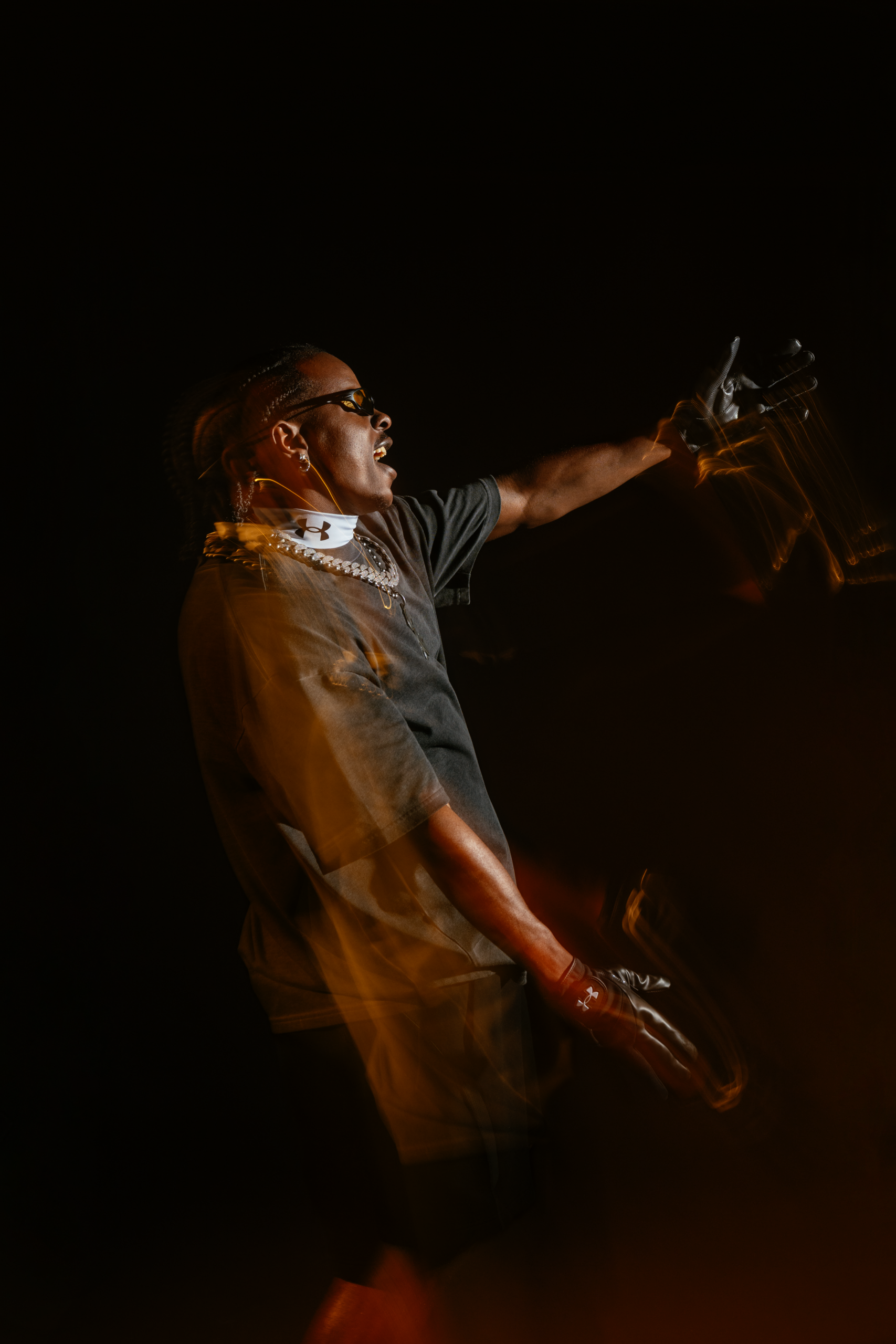
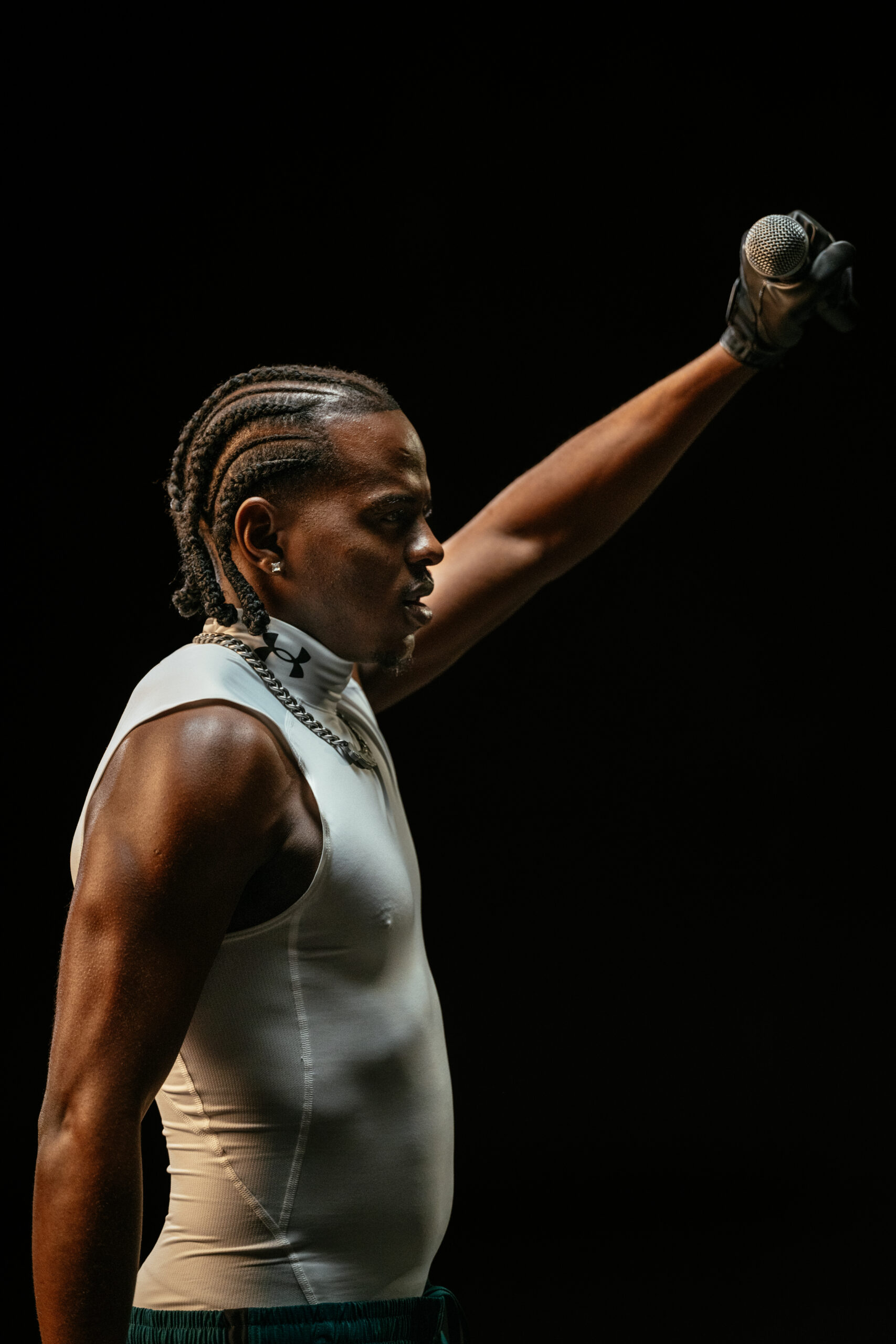
Under Armour’s HeatGear is designed around allowing you to stay focused on performance as things get hotter and more intense. When the pressure builds, what helps you remain present and focused on what you need to do as our “Tsonga Micheal Jackson” ?
My life has always been very fast-paced, and I got comfortable with a lot of pressure from a young age. So I’ve learned that I work pretty well under pressure [laughs]. For the past couple of years, I’ve been in this space where I’ve really been trying to reinvent myself. Every time I go through that phase, I really go through it because I have to let go of the old version of myself, work on a new version, and learn to get comfortable with being uncomfortable.
I had to get my mindset intact, which is why I started training so hard. I had to let go of certain things and basically transform, not only physically, but mentally as well. The more I trained and went to the gym, the more it started changing my perspective on music, how I approach it, the kinds of topics I can talk about, and even what my next project could sound like.
I’m in a much better place mentally, and I believe that’s what the next Musa is about. It’s me stepping out and being comfortable with the new me, with who I’m becoming and who I’ve become. It’s about staying fresh, keeping my head strong and keeping my mind straight.
If we consider TAYO, Rirandzu and now Xigubu as chapters in your story, what does Xigubu reveal about Musa that those earlier projects couldn’t?
I think TAYO was the very beginning; me trying to figure things out. In that phase, I was pretty much just being bold. It was a very bold phase for me.
Then Rirandzu was the phase where I discovered that I am lovable, but that I can also get hurt. Xigubu was more like, “I actually don’t care that much anymore. Let me just be wild and free.” And now, with this next phase, I’m done with all of that. I’m in a better state. I understand where my life is, where I want it to go, and where I’m trying to take it.
I want to ask what might seem like an elementary question, because it’s always nice to reintroduce people to who you are. Where does the name Musa Keys come from? Who named you Musa, and how did “Keys” become part of your stage name?
Who named me Musa? I actually don’t know. Somewhere between my mom and dad but I’ve never really had that conversation with them.
“Keys” came from what I started doing. I got into the music industry through church. A friend of mine invited me to church and said, “Yo, let’s go. Please accompany me.” When I got there, I started understanding how the music actually happens. Before that, when I saw people playing in church on Sundays, I thought they were basically lip-syncing, that they were pretending to play while the music was playing in the background. Maybe the singers were actually singing, but I didn’t understand the rest of it.
Then I realised that, in music, there are all these different parts that come together to make a whole. You add different layers, and each layer has its own importance. That influenced me to become a producer because I started understanding that, for a song to become a song, there are all these different elements that have to come together. Back in Polokwane, every musician who was really good had a stage name, so I felt like I needed one for myself. But I always told myself that even if I became a full-on artist, I would never change or run away from my real name. I didn’t want some random stage name that had no connection to who I am. I’ve always loved my name ; Musa, grace. I’ve always believed that I have, and will continue to have, grace in everything I do and everything I touch.
So I knew I had to keep my name and add something that represented what I did, which was the piano. I was playing piano in church and, at the time, I was pretty much known for being a pianist. I had seen other pianists calling themselves “Keys,” and I thought, “Okay, in the world of pianists, we’re the keys guys.” So I decided to go with that. That’s how I became Musa Keys.
Musa means grace, kindness or mercy. Where in your life or career have you experienced a moment that made you think, “This is my name at work”?
To be honest, it’s every day. Even just waking up where I wake up, I’m super grateful. I look at everything around me and think, “It didn’t have to be me.” I’m just grateful for how comfortable my life is. But there have also been certain shows where I’ve stopped and thought, “How did this happen? How did I make it to this kind of stage?” It usually happens when I find myself in places or reaching heights that I never imagined I would.
One that comes to mind was headlining Afro Nation. Another was performing with Chris Brown and Davido at the same time, in front of something like 90,000 people. I remember thinking, “This is crazy. How am I here?” Those are the kinds of moments where I really see that grace.

As Under Armour’s HeatGear is built for performance when things heat up, Musa is learning what it means to remain focused through the pressures of becoming. Discover the innovation designed to keep up with every move and shop the Under Armour HeatGear collection here.