Written by Renaé Mangena
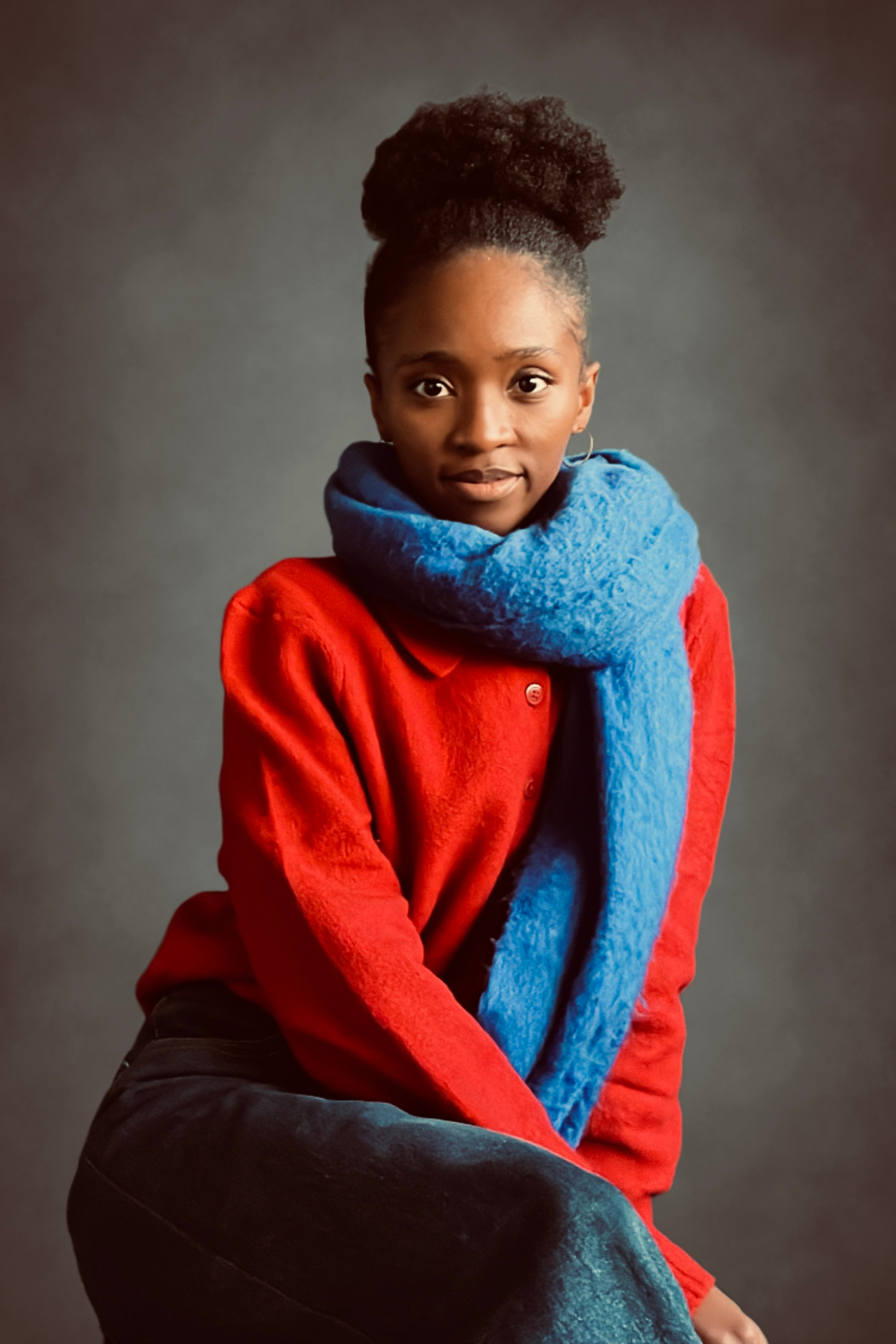
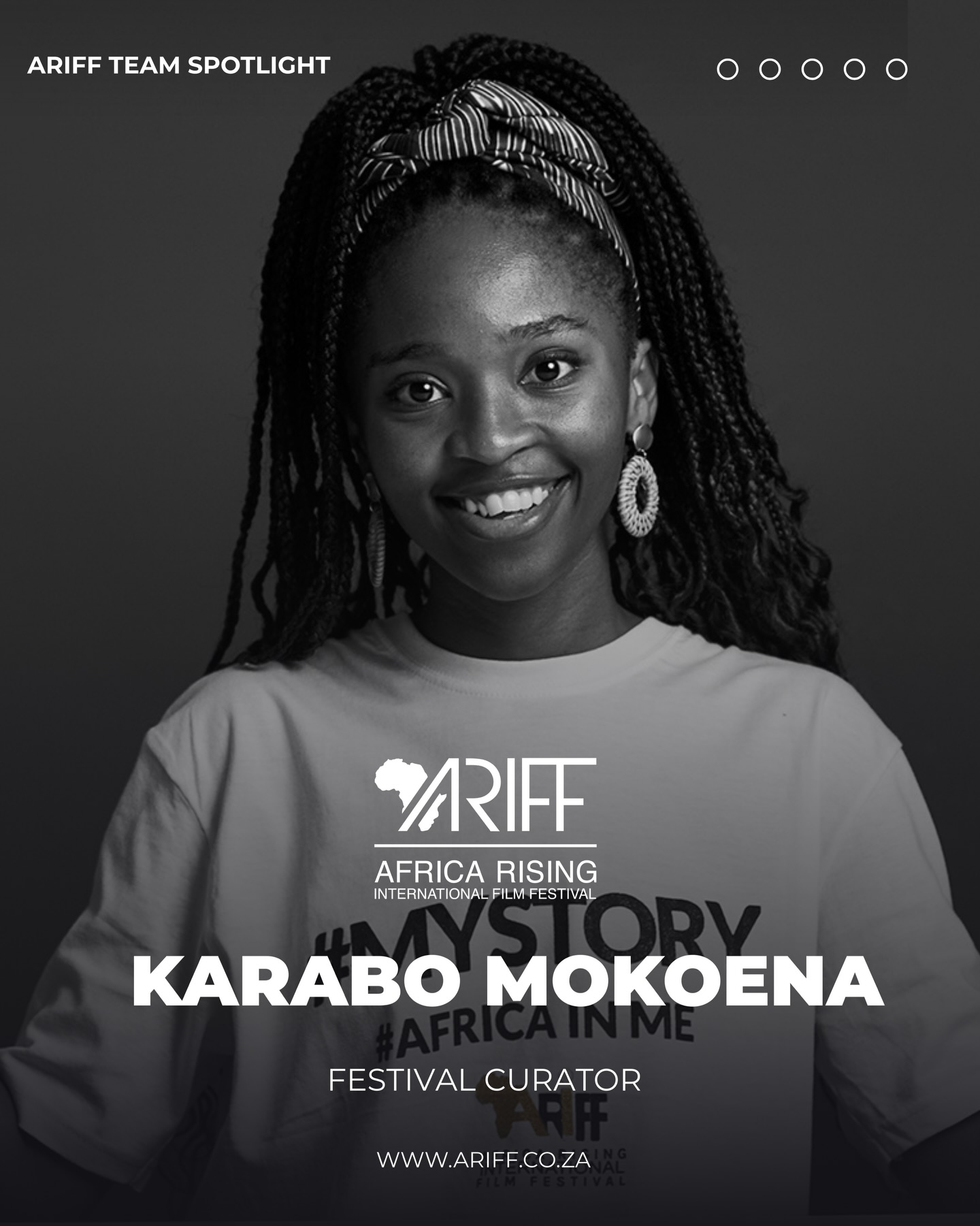
I first met Karabo at university. We were in the same class and had the opportunity to work on several projects together. It felt only right to begin our conversation by speaking about what I admire most about her, both as a person and as a storyteller.
What has always stood out to me is the deep care Karabo has for her characters. She holds them with remarkable gentleness, allowing them to exist as fully realised people beyond herself. Although she is the one bringing them to life, she never seems interested in controlling them. Instead, she creates the conditions for them to become independent of her, to inhabit the worlds she builds with honesty. There is something incredibly distinctive about this approach. It reveals her philosophy as a writer, and also the way she moves through the world, with empathy, curiosity, and a profound respect for human complexity.
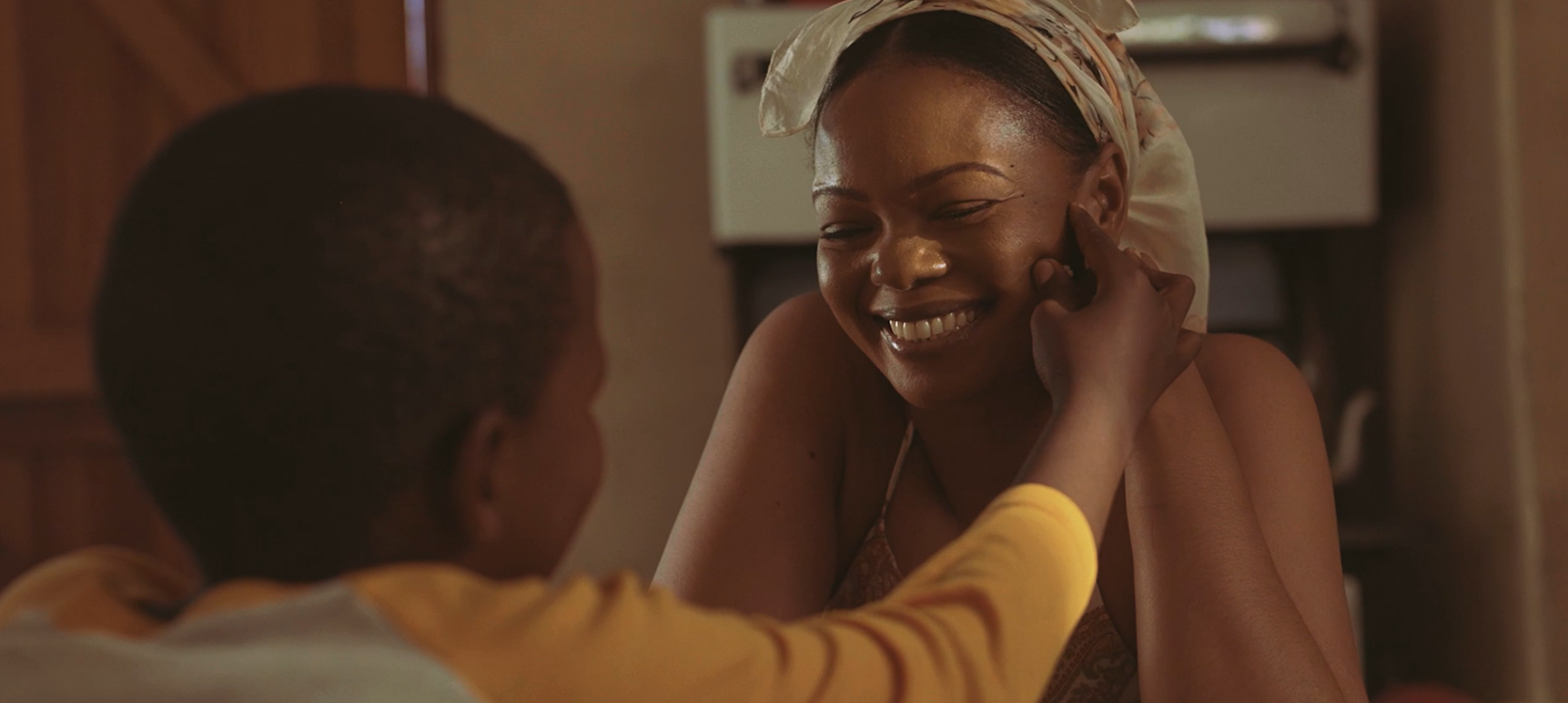
Her work as a writer and creative producer mirrors this beautifully. Rather than imposing a singular vision onto a story, she allows the needs of the narrative, its characters, and its world to guide the creative process. With Colour Me Blue, the series she is currently writing and executive producing, Karabo explores multiple interconnected stories bound together by one enduring theme: human connection. It feels like the natural culmination of everything that defines her work. The series reflects her belief that our lives are shaped not only by who we are, but by the ways we encounter, care for, and transform one another.
Let’s start at the beginning. Where did it all begin for you?
I used to spend a lot of time with my uncles as a kid. Looking back now, I think that’s where it all started. One of my uncles had a Mercedes-Benz and he would often take me and my cousin on drives into town. Those drives always came with music and stories. Sometimes they would tell us stories about their own lives and other times they would make up characters. What I remember most is how human those characters felt. They sounded like people we knew, whether it was a neighbour, a cousin or a family friend. They were familiar in a way that made them believable, even when the stories themselves weren’t. Of course, they would exaggerate everything. The characters were bigger, the situations were wilder and the details became more dramatic with every retelling. But that was the fun part. The stories were never meant to be serious. The goal was always to make us laugh.
I think those moments taught me to appreciate people and their stories. They made me realise how much inspiration exists in everyday life and in the people around us. Even now, my approach to storytelling is rooted in curiosity. I’m curious about people, their experiences and the things that shape them. I’m interested in what their stories reveal about who we are and what they can tell us about the world we live in.
What kinds of stories do you feel most compelled to tell, and why do you believe those narratives are important?
I’m most compelled to tell stories about people., ordinary people navigating complicated emotions, relationships and circumstances.
I’ve always been fascinated by the things that shape us as human beings from why people make the choices they do, how they carry pain, joy, hope or regret, and how those experiences influence the way they move through the world. The stories that draw me in are often the ones that ask us to look a little closer at people we think we already understand. I think that’s why I tend to gravitate towards character-driven stories. For me, the most interesting part of any story is the person at the centre of it and what their journey reveals about the human experience. I believe these narratives are important because stories help us understand each other. They create space for empathy, reflection and conversation. They allow us to see parts of ourselves in people whose lives may look very different from our own. At their best, stories remind us that we’re more connected than we often realise.
As a storyteller, I’m interested in exploring the emotional truths that exist beneath the surface. I’m curious about what our personal stories can reveal about the families, communities and societies we belong to. Those are the stories I keep returning to because they help us make sense of ourselves and the world around us.
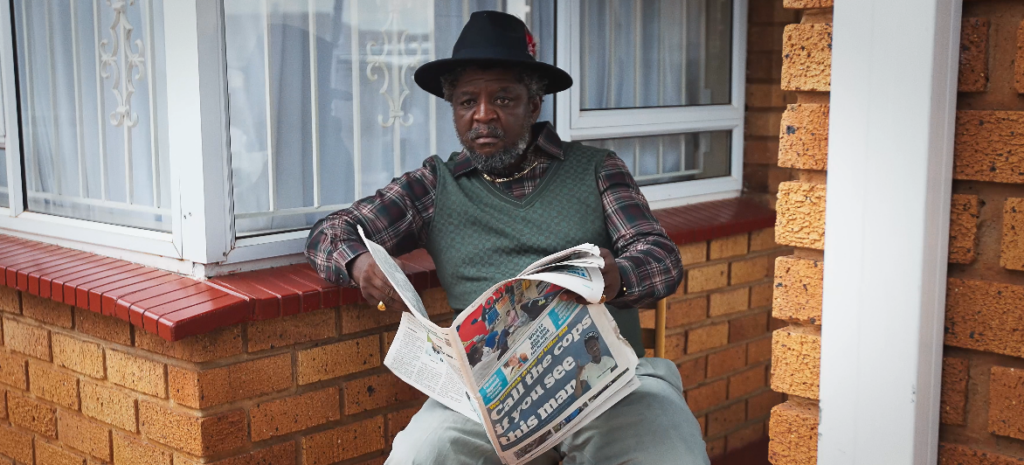
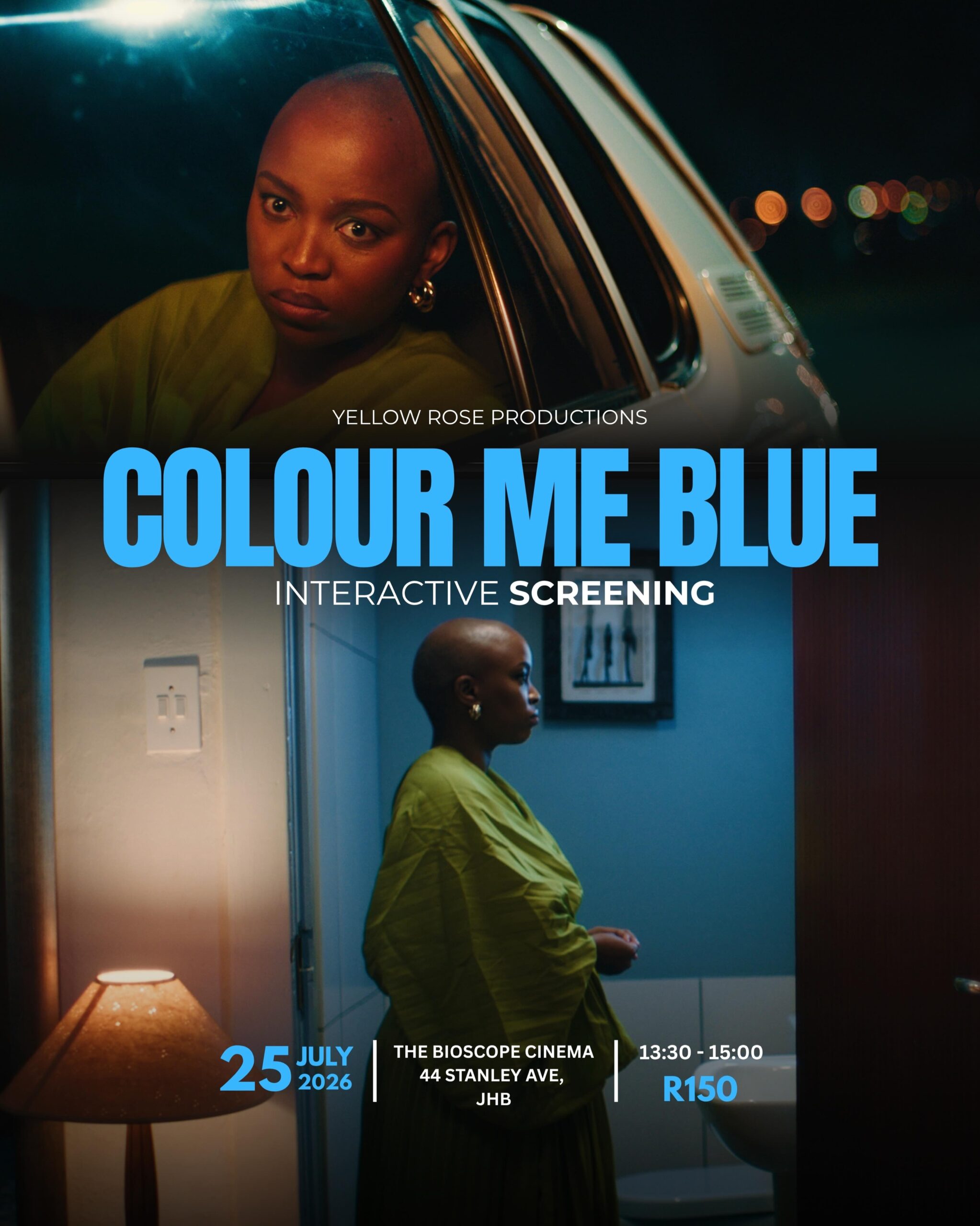
Colour Me, Blue, walk me through the inception of the project. Where is it now, what do you hope to do with it, and why does this story matter to you?
Colour Me Blue is literally six years in the making now. I was in my final year of varsity when the story came to me. At the time, I was very curious about depression. As I started developing the story, I wasn’t interested in telling a story about depression alone. I was interested in the people around it. The family members trying to understand it, the friends who don’t know what to say, the people carrying things they cannot always articulate and the ways all of those experiences intersect.
The story soon expanded beyond mental health and became a story about identity, relationships, grief, belonging and healing. The characters became richer and the world became bigger than what I had initially imagined.
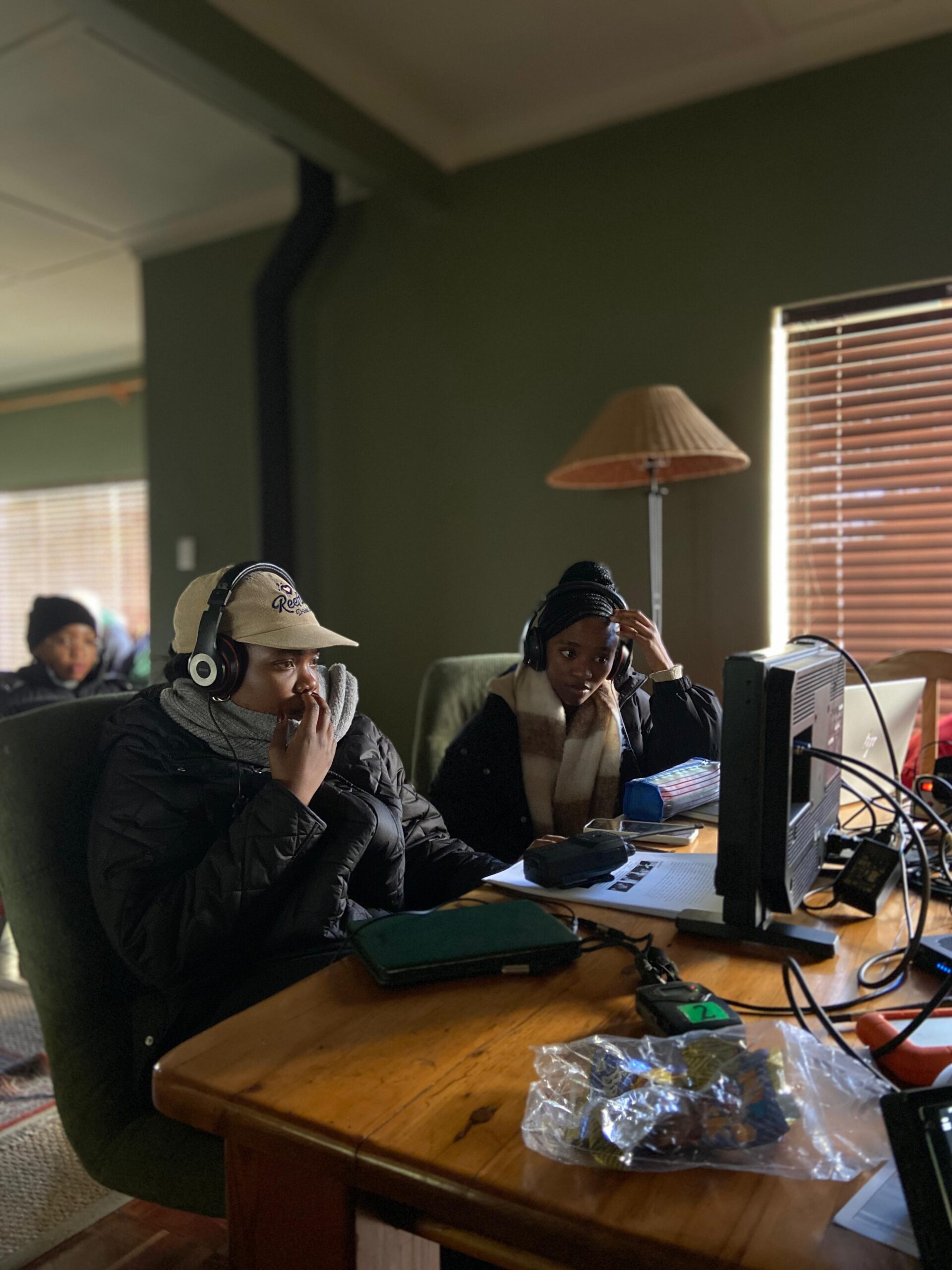
Most recently, we produced a proof of concept through funding from the NFVF. It was originally intended to function as a pilot, but through the process we realised it worked better as a proof of concept. What we have now introduces the world, the characters and the themes while giving us a foundation to continue developing the series. At the moment, the project is in development. We’re preparing for a focus group screening where we’ll gather feedback from audiences and use those insights to strengthen the story further. The long-term goal is to continue developing the project, secure financing and ultimately bring the series to screen.
This story matters to me because it explores experiences that are deeply personal but also incredibly universal. We all know someone who is struggling or just what it feels like to carry something difficult, to search for connection or to want to be understood. My hope is that Colour Me Blue creates space for those conversations through characters and stories that feel honest, familiar and human.
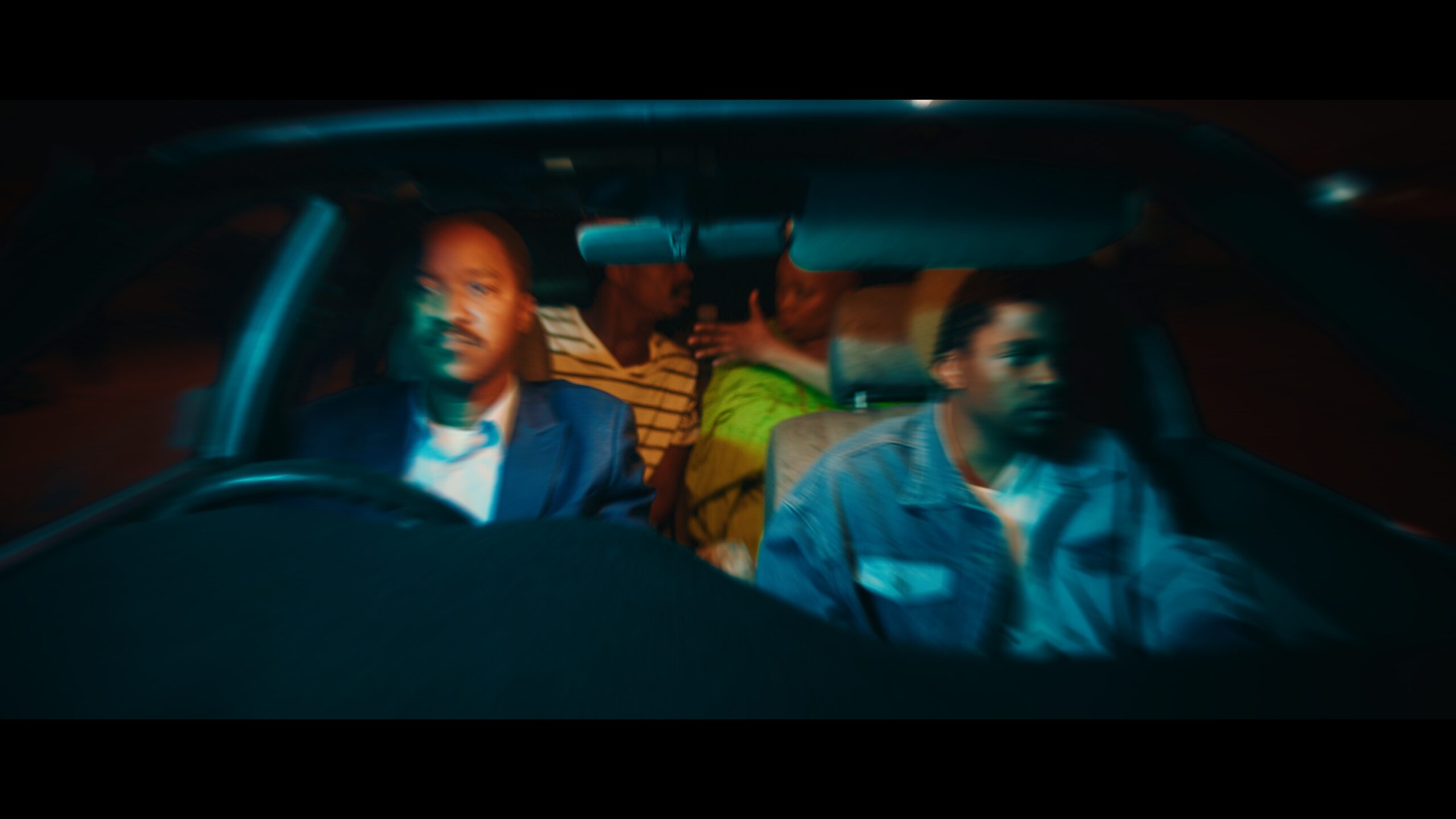
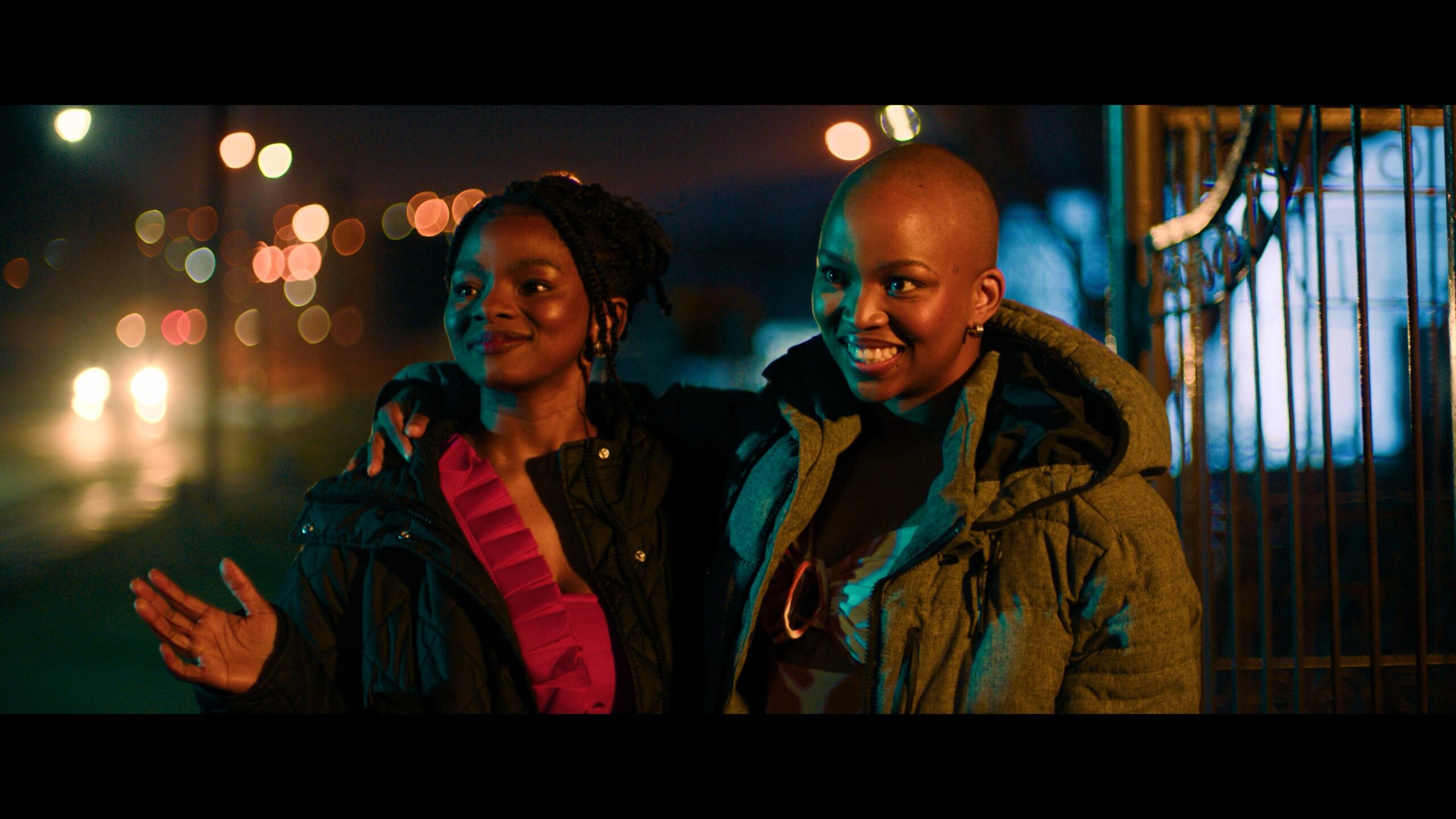
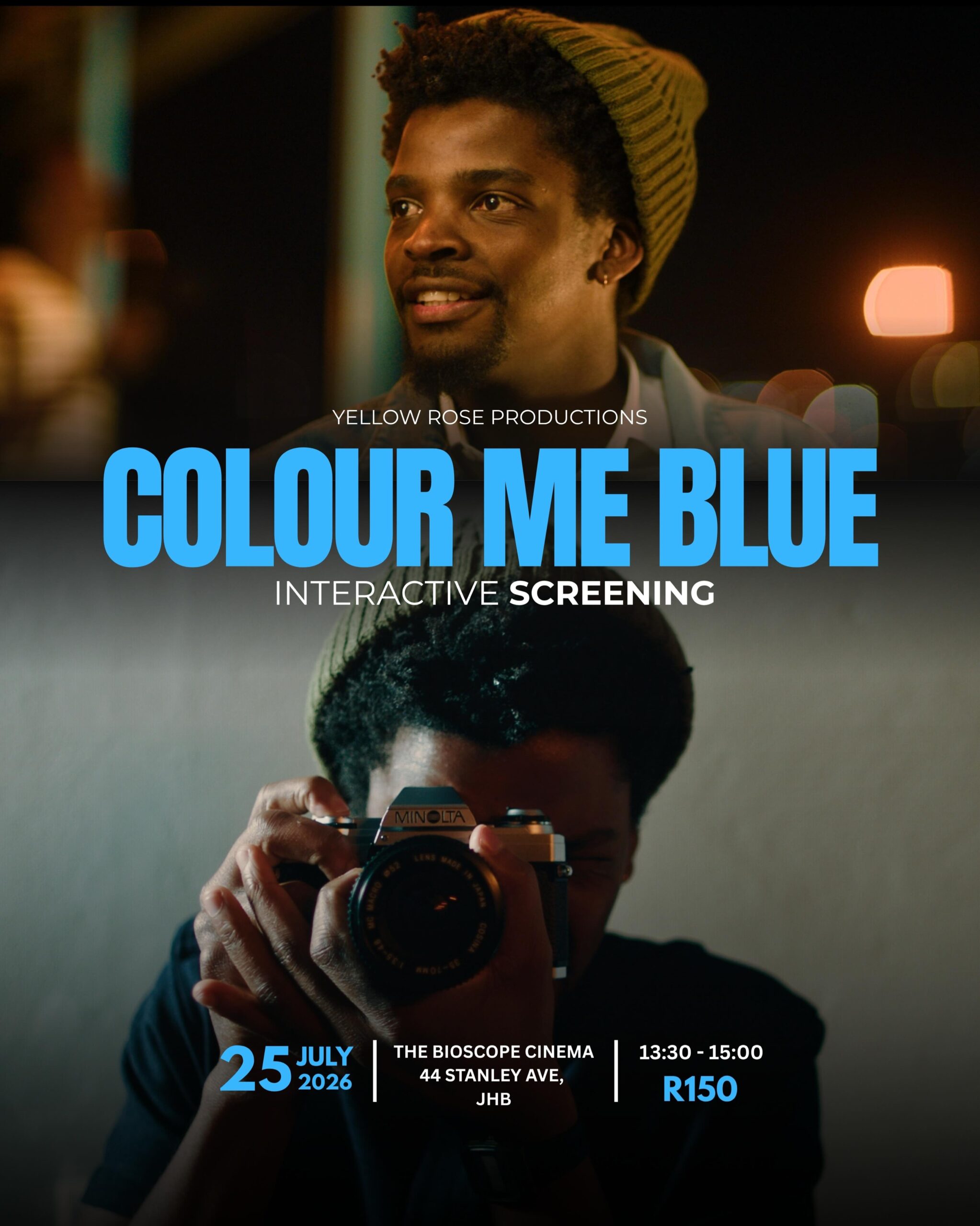
Karabo Mokoena will be hosting a screening of Colour Me Blue will be hosting an interactive screening of the concept, starring this talented and phenomenal cast, at The Bioscope Cinema, 44 Stanley Avenue, Milpark, Johannesburg, from 13:30 to 15:00 in collaboration with Lulama Wellness
Having curated the film festival for Africa Rising International Film Festival over the past few years, what themes, narratives, or shifts are you noticing in the work currently being produced by African filmmakers?
One thing I’ve really appreciated through my time curating for Africa Rising International Film Festival is seeing just how diverse African storytelling has become. There isn’t one singular African story being told anymore, and I think that’s a really exciting thing. I’m seeing more filmmakers lean into specificity. There seems to be less pressure to explain ourselves to the rest of the world and more confidence in telling stories that are deeply rooted in our own communities, cultures and experiences. Ironically, the more specific those stories become, the more universal they tend to feel. I’ve also noticed a growing willingness to engage with themes that may have been considered difficult or uncomfortable in the past. Conversations around mental health, identity, gender, belonging and generational trauma are becoming more present in the work. Filmmakers are asking difficult questions and creating space for audiences to sit with those questions rather than rushing to provide answers.
At the same time, there is still a strong interest in stories that explore social and political realities, but I think the approach is shifting. Many filmmakers are moving away from presenting issues as headlines and are instead focusing on the people living through them. The work feels more intimate. The politics are still there, but they are often experienced through character and personal relationships.
The range of voices emerging across the continent is also an amazing thing to watch. Whether it’s genre films, coming-of-age stories, documentaries or experimental work, there seems to be a growing confidence in exploring different forms of storytelling. African filmmakers are continuing to challenge expectations of what African cinema should look like, and I think that’s incredibly important for the future of the industry. We’re seeing filmmakers claim ownership of their own narratives. They’re telling stories on their own terms, in their own voices, and that’s producing some really interesting and necessary work.
As someone who occupies and navigates many different roles, what have you found yourself most drawn to creatively, and why?
I’ve been fortunate enough to work across a number of different roles over the years. I’ve worked as a writer, director, producer, script supervisor, content writer, radio creative and festival curator. Each role has taught me something different about storytelling and the ways people connect with stories. That said, I always come back to writing. For me, writing is where everything begins. Whether I’m writing a screenplay, developing content for a client or working on a radio concept, the process starts in the same place. It starts with an idea, a question or an observation about people and the world around us. From there, it’s about finding the most effective way to communicate it. Writing presents the opportunity to explore people and their experiences. I think that’s also why I’ve enjoyed moving between different forms of storytelling. Working in radio taught me how to create emotion and imagery through just sound. Content writing constantly teaches me how to communicate clearly and connect with different audiences. Script supervision gave me a deeper appreciation for the relationship between what’s written on the page and what eventually appears on screen. Film festival curation exposed me to a wide range of voices, perspectives and approaches to storytelling from across the continent. All of those experiences have shaped me, but writing remains the thread that connects them all.
Within your work as a writer, what do you feel more connected to, womanhood or Blackness and how do those identities shape your storytelling?
I don’t think I’ve ever experienced my womanhood separately from my Blackness, so it’s difficult for me to choose one over the other. As a Black woman, those identities are deeply intertwined and they shape the way I move through the world, the things I notice and the stories I’m drawn to. My experiences are informed by both, and I think that naturally finds its way into my work.What I can say, though, is that I’m often interested in exploring people who are trying to navigate systems, expectations and circumstances that are bigger than themselves. Be it family, community, culture, gender or social pressures, I’m interested in how those forces shape our identities and the choices we make. I think my perspective as a Black woman allows me to approach those stories with a particular sensitivity and understanding. It influences the characters I create, the relationships I explore and the questions I find myself asking. It also influences the things I pay attention to, the nuances in how people communicate, the dynamics within families and communities and the ways people find joy and belonging despite challenges.
Honestly, I try not to approach storytelling with the intention of making a statement about Blackness or womanhood. I’m more interested in telling honest stories about people. My hope is that when those stories are truthful and specific, they naturally reflect the identities and experiences that shaped them. So, if anything, I would say that my Blackness informs my womanhood and my womanhood informs the way I see the world. As a writer, those things are inseparable from the stories I choose to tell.
How do you currently feel about the South African creative and film ecosystem, and what aspects of it do you think are working well?
I have quite a complicated relationship with the South African creative and film ecosystem because I think there is so much talent here but there are also very real barriers that make it difficult for emerging creatives to build sustainable careers and bring their stories to life. One of the biggest challenges is access. Access to funding, access to decision-makers and access to spaces where projects can be pitched and developed. As someone currently trying to develop a project like Colour Me Blue, I can say that having a story is one thing, but finding the right pathways to get that story in front of the right people is something entirely different. The industry can sometimes feel difficult to navigate, particularly for younger creatives who are still trying to establish themselves.
I’m noticing that many young filmmakers and storytellers are creating their own pathways because they feel they have to. They’re producing proof of concepts, self-funding projects, building independent platforms and finding creative ways to get their work seen. While I admire that entrepreneurial spirit, I don’t necessarily think it should be the only route available to us. Ideally, there should be stronger connections between emerging creatives and the systems that already exist so that new voices can develop within the industry rather than always having to operate alongside it. I think that’s also one of the things that is working well. Despite the challenges, there is an incredible culture of resilience and innovation among South African creatives. People are constantly finding ways to create, collaborate and tell stories, even when resources are limited. There is a real hunger to tell our stories on our own terms.
I’m also encouraged by the diversity of stories being told. More filmmakers are exploring experiences, communities and perspectives that may not have received as much attention in the past. There seems to be a growing confidence in telling stories that are specific to who we are and where we come from, rather than trying to fit into a particular mold. So while I think there is still a lot of work to be done around accessibility, funding and creating more fluid pathways into the industry, I remain hopeful. Every time I engage with other young filmmakers, writers and creatives because I’m always reminded that there is no shortage of talent, ambition or stories worth telling in South Africa.
Is there a particular framework, philosophy, or set of values that guides the way you work? Why is that important to you?
I think the value that guides me the most is the idea of seeing people. It sounds weird in English but I grew up in a home where there was a strong emphasis on “ho hlompha batho” and understanding that people matter. I think that has shaped the way I move through the world and, ultimately, the way I tell stories. A lot of my work starts with curiosity about people. I’m interested in their experiences, their contradictions, the things they carry and the things they don’t always say out loud. Even when I’m writing about bigger themes, I usually find myself coming back to the individual and asking, “What does this feel like for this person?” That’s the mindset that also shapes the way I work with others.
Film and storytelling are collaborative by nature, and I’ve always believed that people want to feel heard, valued and understood. I think that’s why I’m drawn to storytelling in the first place. Stories give us an opportunity to see people more fully. They allow us to step into experiences that are different from our own and recognise something familiar within them. So if there’s a philosophy behind the way I work, it’s probably that. Pay attention to people, listen carefully and stay curious. The story usually starts there.
Does legacy matter to you? If so, what do you hope your legacy will look like?
Yes, legacy matters to me. But it’s less about being remembered and more about what gets left behind for other people. When I think about legacy, I think about access. I think about creating opportunities that didn’t exist before, sharing knowledge and helping people navigate spaces that can often feel inaccessible. A lot of that comes from my own experiences. Growing up in Soweto and later moving through different creative and academic spaces, I quickly became aware of how many opportunities exist that people simply don’t know about. Sometimes the barrier isn’t talent or ability but access to information, networks and guidance.
This is one of the reasons why I started The How-To Collective. I wanted to create something that could help bridge that gap and make opportunities feel a little more accessible to young people who may not always have access to the same resources or support systems. From a creative perspective, I hope I’ve contributed stories that allow people to see themselves and others differently. Stories that encourage empathy, start conversations and remind people of our shared humanity.
If someone looks back at my work years from now, I hope they see a person who was committed to creating opportunities, sharing knowledge and telling stories that treated people with care. I think that would be a legacy I’d be proud of.