Whenever I think about farming, I think about its seasonal nature, the patience it demands, the importance of understanding the practice, and knowing when to nurture, when to tend, and sometimes, simply, when to let things be.
Namhla’s practice reminds me of this very framework, which is also deeply embedded in their brand’s philosophy. Perhaps what we have in common is that we can both trace our introduction to multiple cultures to our upbringing in Hillbrow. It has been such a beautiful experience to watch them grow, evolve, and continually expand their creativity in ways that feel both intentional and deeply rooted.
I am in awe of Namhla as a person, but even more so of the creativity that emerges from their love for their father, their reverence for ancestry, and the homage they pay to their grandmother. There is something incredibly moving about the brand’s connection to love, culture, one’s people, and the realities of where we come from.
My love for the brand, and for Namhla, continues to grow. And I too am a good farmer who is learning to nurture what I love, honour where it comes from, be patient with its growth, and know when to simply let it be.
Written by Renaé Mangena

"My favourite game was ‘isiqendu’. This game consisted of one storyteller and an audience. The storyteller used beautifully shaped stones to sort of build a world and paint a picture for the audience."
What framework or set of values grounds Makhudai’s philosophy, and why is it important to the brand?
‘Be A Good Farmer’ ties up all our values and acts as a guide to ensure sustainable practices within our production process, business systems, and how we interact with our community.
What is the significance of Makhudai’s cultural connection to the Eastern Cape, and how is that relationship reflected in the garments you create? You have spoken about Makhudai as an extension of those who came before you. In what ways do you feel your ancestors are in conversation with your work, and how do you distinguish between creating something new and remembering something that has always existed within you?
I really believe in lineage and the fact that all we do is not new, especially within our bloodlines. For example, my grandmother used to thrift and use her sewing machine to mend and upcycle damaged items. She may not have thought of herself as a fashion designer because of the lack of access to knowledge or spaces that encouraged this way of framing her practice, but I do. I have access to the knowledge and spaces that allow me to define and create a better structure for this generational relationship with fashion in my bloodline.
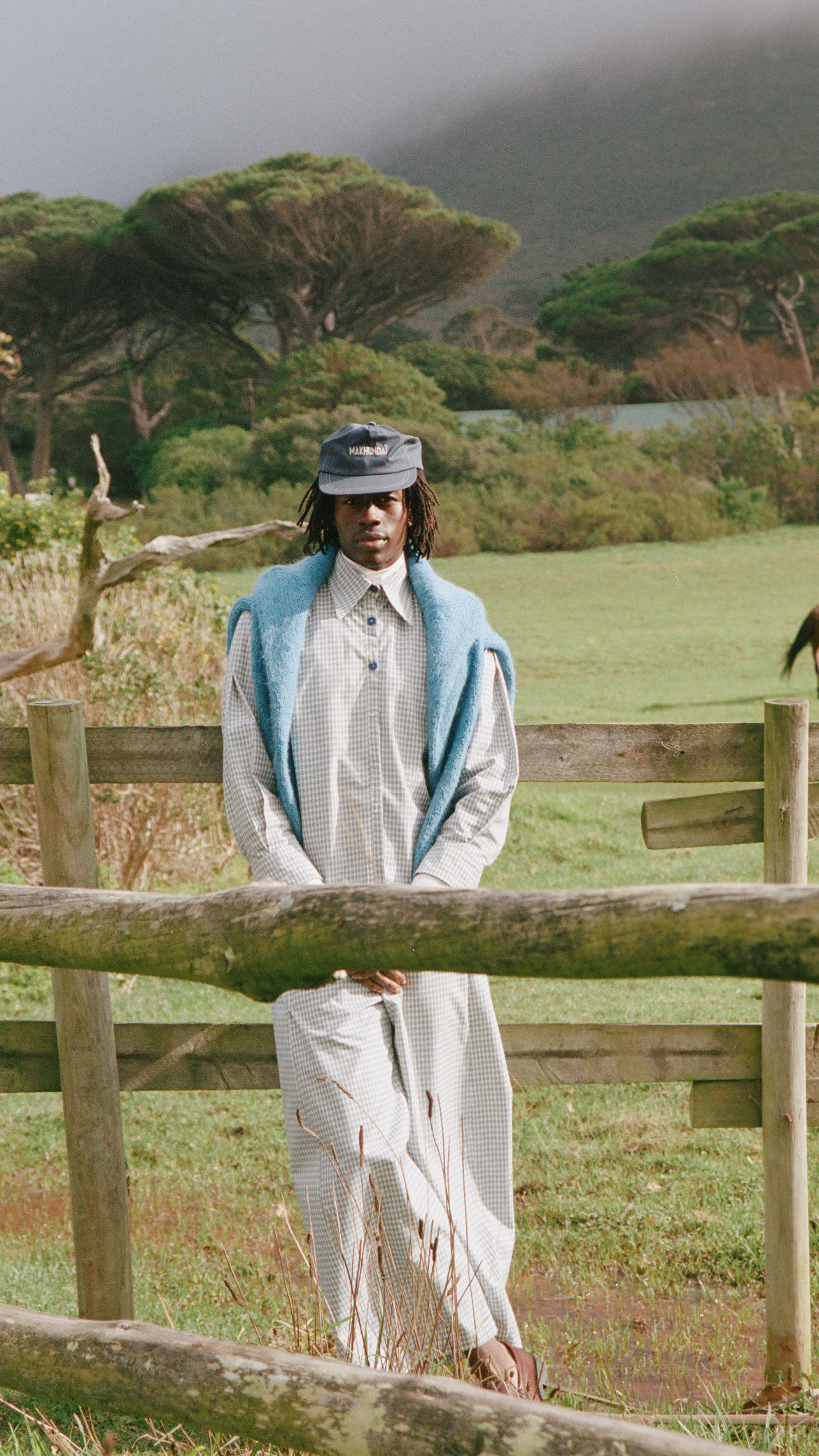
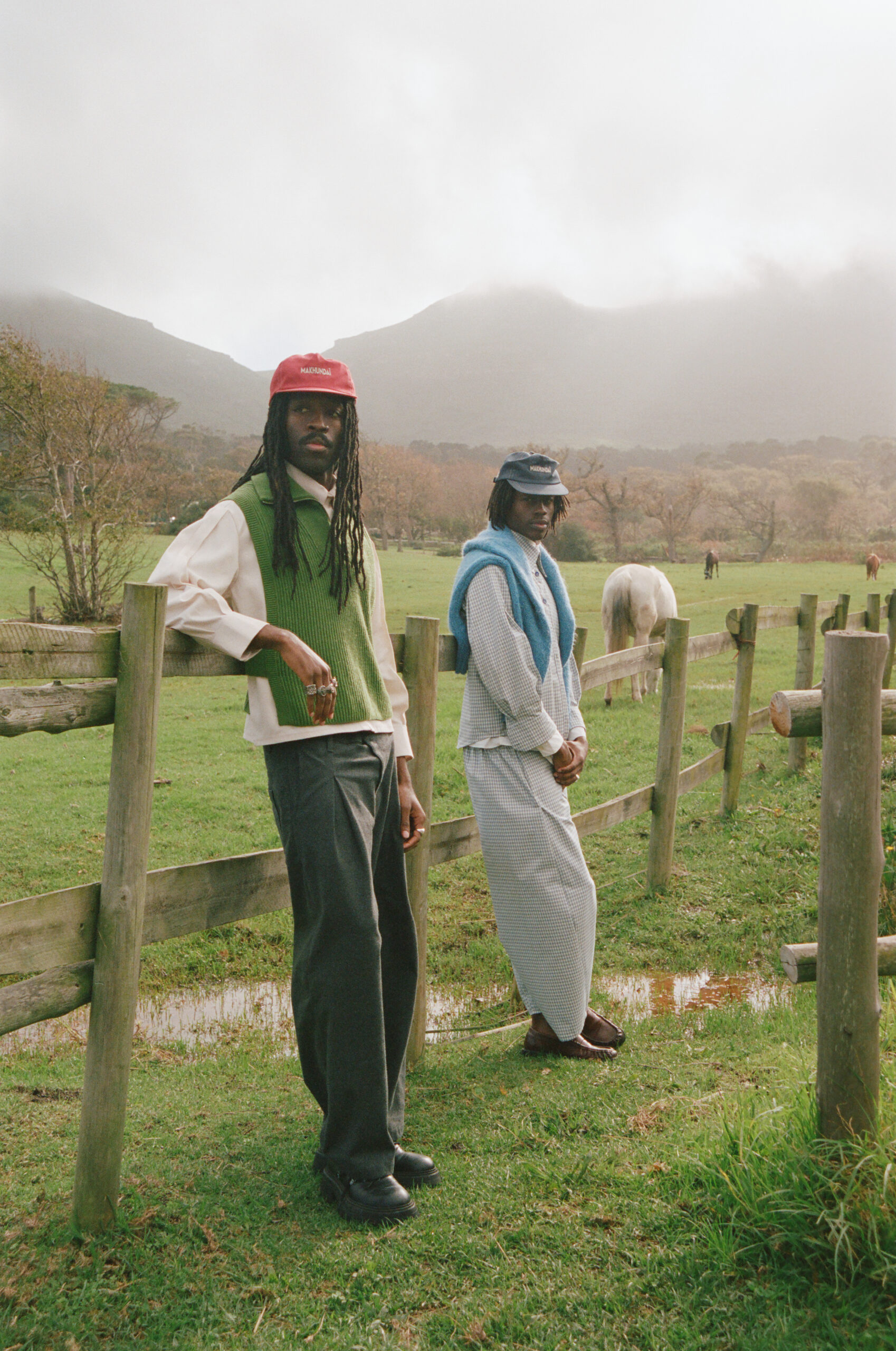
I may not be upcycling and thrifting at MAKHUNDAÌ like my grandmother, but I do borrow from what I’ve seen her make. For example, I use the canvas fabric mainly used to make ‘umbaco’ to create the ‘Be A Good Farmer’ caps. That is how I am able to create something new while being inspired by something that has been created before.
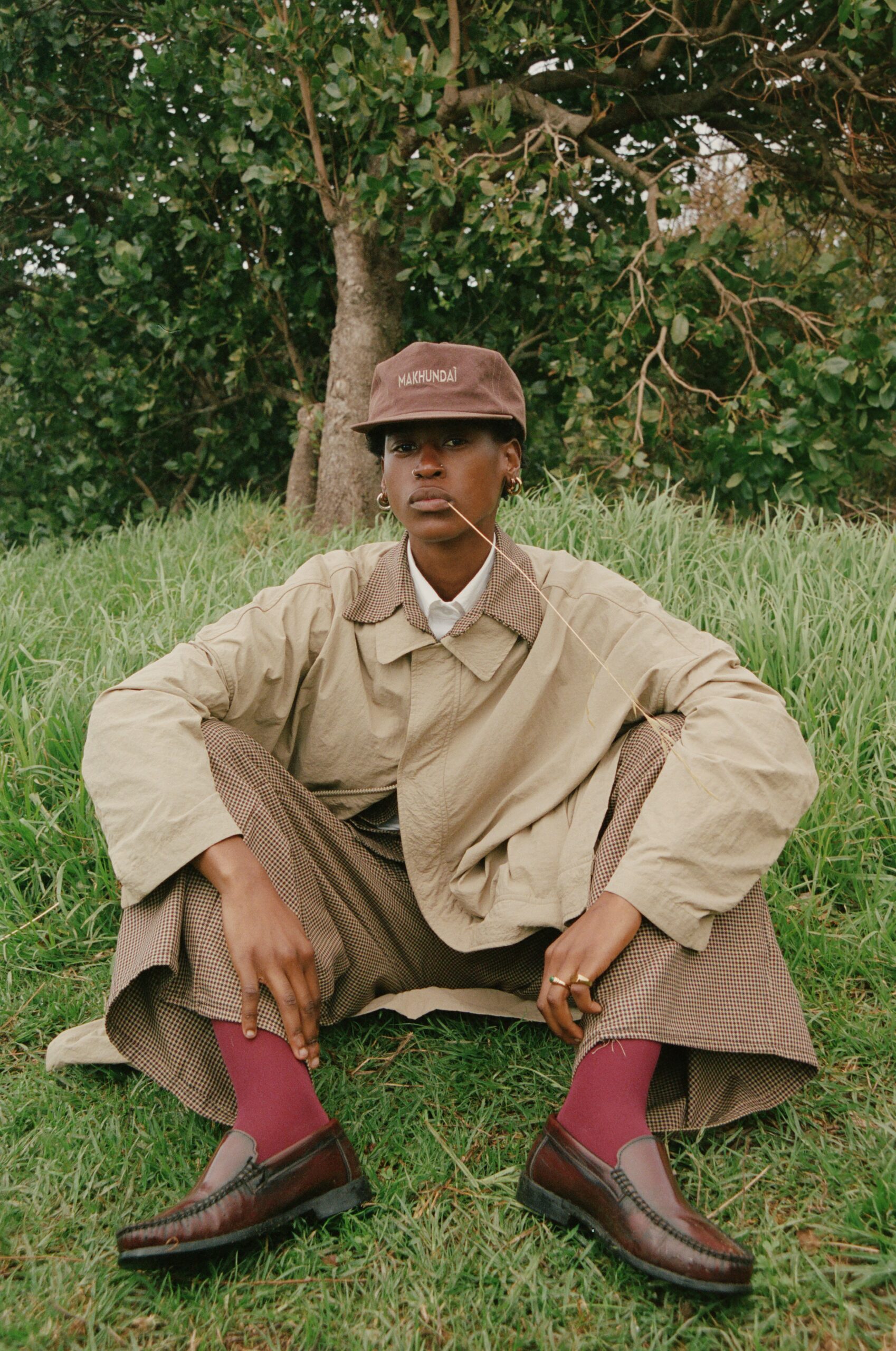
You often draw inspiration from seemingly ordinary moments and people. What does that translate into the construction of the garments and campaigns?
I like to design beautiful, functional, and ready-to-wear staple pieces rather than conceptual garments that only make sense on the runway or in an editorial. I believe good design is functional and simple.
If Makhudai were to become an archive a hundred years from now, what do you hope future generations would learn about this moment in your life, not as a designer, but as Namhla, a person trying to make sense of the world through the brand and other pursuits?
I would like you to know that the most important, never-ending research you will conduct is the one about those who came before you and yourself. I read a quote that said, ‘You cannot copy someone that creates from a place you’ve never been.